Cost and Lead Time: Offshore vs Local Stamping
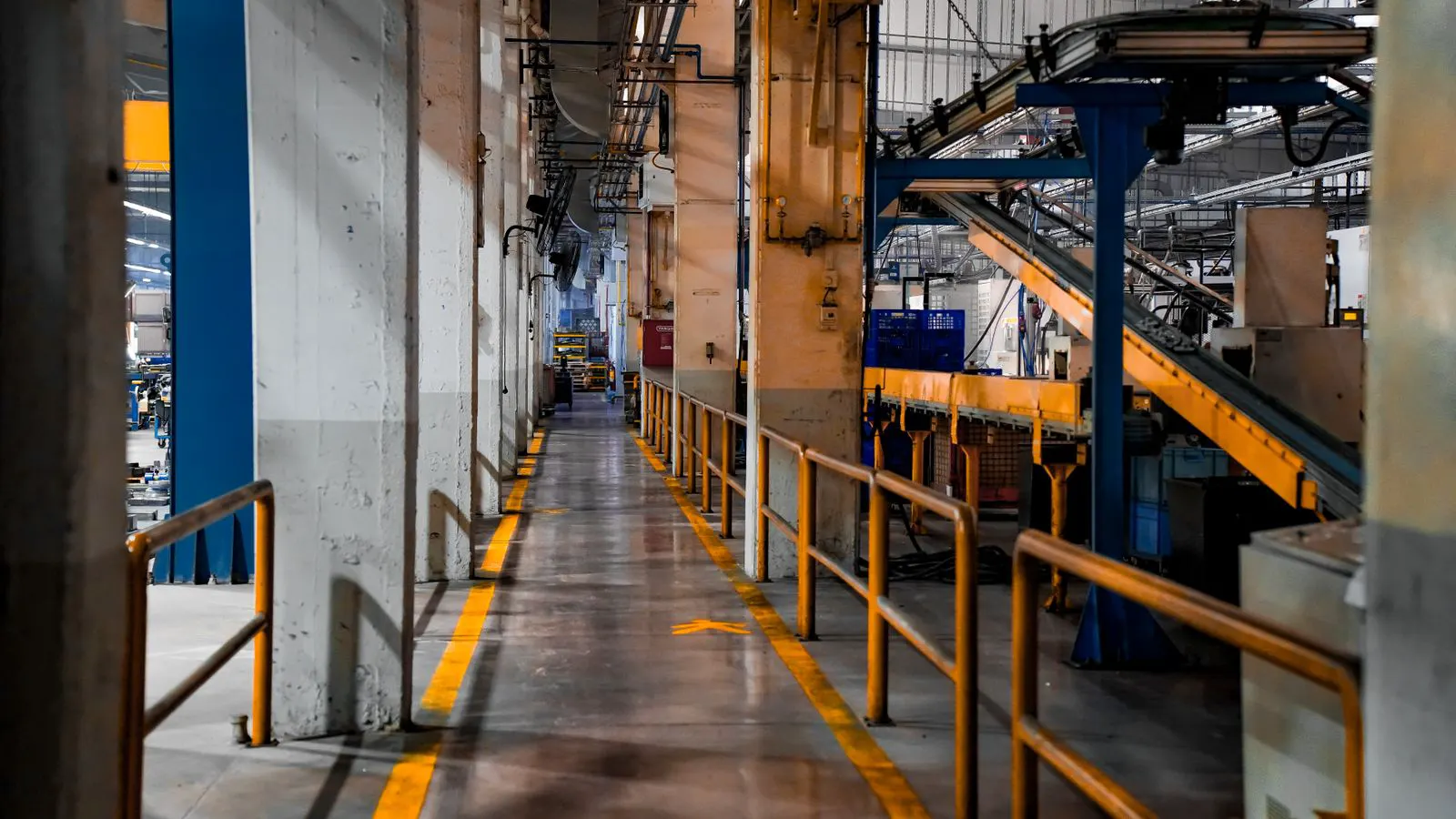
Choosing between offshore vs local stamping requires comparing total cost of ownership, not just unit price. Local vendors reduce logistics cost and production lead time. Offshore offers lower material rates but adds shipping and compliance risks.
- Unit price alone does not reflect the total landed cost of stamped parts.
- Production lead time is heavily influenced by shipping, customs, and quality inspection cycles.
- A clear RFQ allows for a fair comparison between offshore and domestic suppliers.
- Nearshoring can balance cost and delivery speed for high-volume runs.
- Always verify supplier capability and die maintenance practices before finalizing a contract.
What Drives the Unit Price of Stamped Parts
The sticker price on a stamping quote is the most visible number, but it only covers a portion of the final cost. For sheet metal components, the unit price reflects material costs, labor rates, die amortization, and overhead. Offshore vendors in regions with lower manufacturing costs often quote a lower base price. However, the true cost includes freight, insurance, customs duties, and currency fluctuations.
When buying stamped brackets or housing panels, the material grade matters. A part made from mild steel in a domestic plant may have a similar material cost to the same part sourced from Asia. The difference usually appears in labor and overhead. Offshore facilities often have high-volume press lines that reduce the per-part labor cost. Domestic plants may charge more per part but offer faster setup and tighter quality control.
Die costs are another major factor. If you are running a new part through NPI, the cost of the die dominates the first year. Offshore suppliers may include the die in the unit price or charge it separately. Domestic suppliers often quote the die as a separate capital expense. This difference changes the initial cash flow. A buyer must look at the total cost over three to five years to see if the lower offshore unit price actually saves money.
How Logistics Cost Changes the Calculation
Shipping is the biggest hidden variable in the offshore vs local stamping debate. A container of stamped parts moving from an overseas plant to a domestic port can add significant cost to the landed price. This includes ocean freight, inland trucking, port handling, and customs brokerage. If the part is lightweight but bulky, the volume charge can exceed the weight-based rate.
Air freight can reduce transit time but increases the cost per kilogram. For urgent NPI samples, air shipping is common. For production runs, ocean freight is standard. The production lead time extends because the parts are in transit for weeks. During that time, the buyer carries inventory. If demand spikes, the delayed shipment can cause a stockout.
A domestic vendor eliminates the long-haul freight leg. Parts can move from the stamping press to the buyer’s warehouse in a day or two. This reduces the need for safety stock. A procurement team can order smaller batches more frequently. The trade-off is that the unit price from a local supplier is usually higher. The question is whether the reduction in inventory carrying cost and logistics cost justifies the higher unit price.
Production Lead Time and Supply Chain Risk
Production lead time includes the time from order release to finished goods delivery. For local stamping, this is often measured in weeks. For offshore stamping, it is measured in months. The timeline includes die manufacturing, first article inspection, production, quality checks, and shipping.
A typical offshore order might take four to eight months from the point of die approval to the first shipment. A local order might take six to ten weeks. This difference matters for NPI projects where the design is still changing. If the part geometry shifts after the die is built, an offshore supplier is expensive to rework. A local supplier can make adjustments faster.
Supply chain risk is higher with offshore vendors. Political instability, port congestion, or currency controls can delay shipments. A local vendor is exposed to regional risks only. If a local supplier faces a labor shortage or a power outage, the impact is limited to that specific region. For a buyer with a single source strategy, this concentration risk is a major concern.
How to Write a Clear RFQ for Fair Comparison
A vague RFQ leads to vague quotes. If you send a drawing and say “quote this part,” you will get many prices. To compare offshore vs local stamping fairly, the RFQ must specify every variable that affects cost.
The RFQ should include the part drawing with tolerances, material specification, and surface finish requirements. It should also state the annual volume and the expected first order quantity. Include the required certifications and inspection reports. For example, request PPAP documentation for automotive parts or ISO 9001 certificates for general industrial parts.
Specify the packaging requirements. A stamped part that requires rust prevention needs specific packaging. A part that is prone to damage needs protective wrapping. These details affect the freight cost. A supplier that does not understand packaging will quote a lower price, but the parts will arrive damaged.
The RFQ should also ask for the production lead time and the die lead time. Many suppliers quote a production lead time but do not include the die manufacturing time. If the die takes three months to build, the production lead time is not the only timeline that matters.
How to Compare Quotes on the Same Page
To compare quotes from offshore and local suppliers, you must normalize the data. Convert all prices to the same currency and the same incoterms. A quote in USD with FOB terms is not the same as a quote in USD with DDP terms. DDP means the supplier handles all shipping and duties. FOB means the buyer handles shipping from the origin port.
Create a spreadsheet with these columns: unit price, die cost, freight, insurance, duties, packaging, and total landed cost. Calculate the cost per part over a one-year horizon. Include the cost of quality inspection. Offshore parts often require stricter incoming inspection because the risk of defect is higher. A local part may pass with a simple visual check.
Look at the payment terms. Offshore suppliers often require a 30% deposit and 70% after inspection. Local suppliers may offer net 30 or net 60 terms. A 30% deposit ties up cash flow. If the part is high value, this cash flow impact is significant. A local supplier that offers net 60 terms improves the working capital position.
When Offshore Stamping Makes Sense
Offshore stamping is the right choice when the part is high-volume and the design is stable. If you are producing a million brackets a year for a consumer product, the lower unit price from an offshore vendor can save a significant amount over the product life. The logistics cost is spread across many units, making it a small percentage of the total.
Offshore stamping is also suitable for long-term contracts where the buyer has the resources to manage the supply chain. You need a dedicated buyer or a contract manager who can handle customs, quality audits, and logistics. If you do not have that capability, the administrative burden will eat into the cost savings.
For low-volume or prototype work, offshore stamping is rarely economical. The shipping cost of a single pallet of parts can exceed the cost of stamping them domestically. The lead time is too long for NPI. A local supplier can produce the first articles and allow the buyer to make design changes before committing to a large production run.
When Local Stamping Makes Sense
Local stamping is the better choice for low-volume production and high-mix parts. If you are producing five different types of brackets, each in small quantities, the setup cost at an offshore plant is too high. A local supplier can change dies and materials quickly. The production lead time is shorter, allowing the buyer to respond to demand changes.
For parts with tight tolerances, local stamping offers an advantage. You can visit the plant and inspect the dies. You can check the supplier’s die maintenance logs. You can verify the calibration of the presses. This level of oversight is difficult to achieve with an offshore supplier. The risk of a tolerance shift is lower when the supplier is close by.
Local stamping also supports faster NPI. If the part fails the first article inspection, a local supplier can rework the die and resubmit the part within days. An offshore supplier might take weeks to make the same correction. For a product launch, this speed is a major advantage.
A Table of Key Cost and Lead Time Drivers
The following table summarizes the primary factors that affect cost and lead time in offshore versus local stamping. This table helps procurement teams structure their evaluation criteria.
| Cost and Lead Time Driver | Offshore Stamping | Local Stamping |
|---|---|---|
| Unit Price | Lower due to labor and overhead | Higher due to labor and overhead |
| Logistics Cost | High due to ocean freight and duties | Low due to short-distance trucking |
| Production Lead Time | Longer due to shipping and customs | Shorter due to proximity |
| Die Lead Time | Similar, but communication is slower | Similar, but adjustments are faster |
| Inventory Cost | Higher due to long transit time | Lower due to frequent deliveries |
| Quality Risk | Higher due to distance and oversight | Lower due to direct access |
Final Thoughts on the Offshore vs Local Decision
The decision between offshore vs local stamping is not a binary choice. Many buyers use a hybrid model. They source high-volume, stable parts from offshore vendors to reduce unit cost. They source low-volume, high-mix parts from local vendors to reduce lead time and risk. This approach balances cost and agility.
Start with the part. If the part is a simple bracket with high volume, offshore stamping is likely the best option. If the part is a complex assembly with tight tolerances and low volume, local stamping is the better choice. The best decision is based on the total landed cost and the production lead time, not just the unit price.
A clear RFQ and a fair comparison process are the first steps. Use the table above to normalize the quotes. Look at the total cost over a three-year period. Include the cost of quality inspection and inventory carrying. This will give you a clear picture of the true cost of offshore versus local stamping.
Frequently asked questions
Can I use a local stamping supplier for low-volume parts and an offshore supplier for high-volume parts?
Yes, this is a common hybrid strategy. Local suppliers handle low-volume, high-mix parts to reduce lead time. Offshore suppliers handle high-volume, stable parts to reduce unit cost.
How much does logistics cost typically add to the landed price of stamped parts?
It varies by part weight, volume, and shipping mode. For ocean freight, logistics can add a significant percentage to the unit price. For air freight, the cost per kilogram is much higher.
What is the main risk of using an offshore stamping supplier?
The main risks are supply chain disruption and quality control. You are dependent on shipping and customs, and you have less direct oversight of the production process.
How can I verify the quality of parts from an offshore supplier?
Request PPAP documentation and sample inspections. You can also hire a third-party inspection agency at the origin port to verify the parts before shipment.
Is local stamping always more expensive than offshore stamping?
No, the unit price is usually higher, but the total landed cost may be similar. Local stamping reduces logistics cost and inventory carrying cost, which can offset the higher unit price.