
Industry Applications
Outlook: Electric Presses and High-Speed Stamping
Electric press stamping is shifting production toward faster cycles and tighter die tolerance. Buyers must plan for higher press speeds, shorter cycle times, new die
Review common uses of metal stamping in automotive, aerospace, and consumer products to guide your part design.
Electric press stamping is shifting production toward faster cycles and tighter die tolerance. Buyers must plan for higher press speeds, shorter cycle times, new die
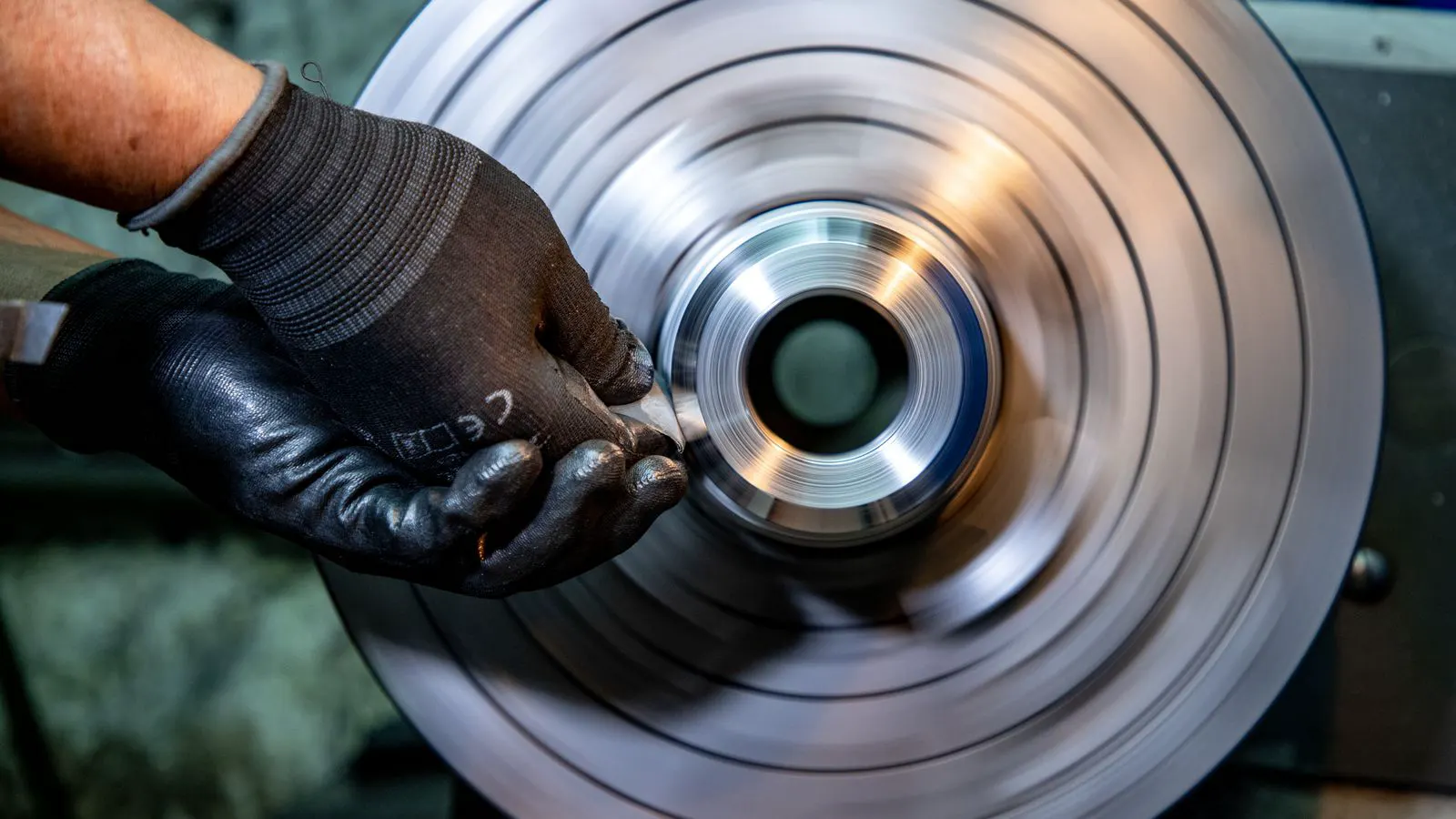
Evaluating suppliers for thin gauge stamping requires checking press tonnage, tooling quality, and material handling. This guide provides criteria for selecting a sheet

Use this audit checklist to verify that your selected press has sufficient force for stamped brackets. It covers tonnage calculations, material limits, and capacity

Reduce springback stamping by adjusting tooling radius, material selection, and bend correction settings. Accurate bend lines and controlled material properties prevent

Deep draw is best for forming flat sheet into deep, cup-like shapes with controlled radii. Punch press excels at high-speed, flat or shallow parts requiring sharp edges.
A reliable automotive stamping supplier must demonstrate strict quality controls, process capabilities, and compliance with automotive industry standards. This guide

Stainless steel stamping cost and cold rolled steel pricing depend on material grade, sheet thickness, and processing complexity. Lead times vary by material

Tensile strength stamping behavior determines whether a sheet stretches, thins, or tears during forming. Higher strength resists deformation but reduces formability.
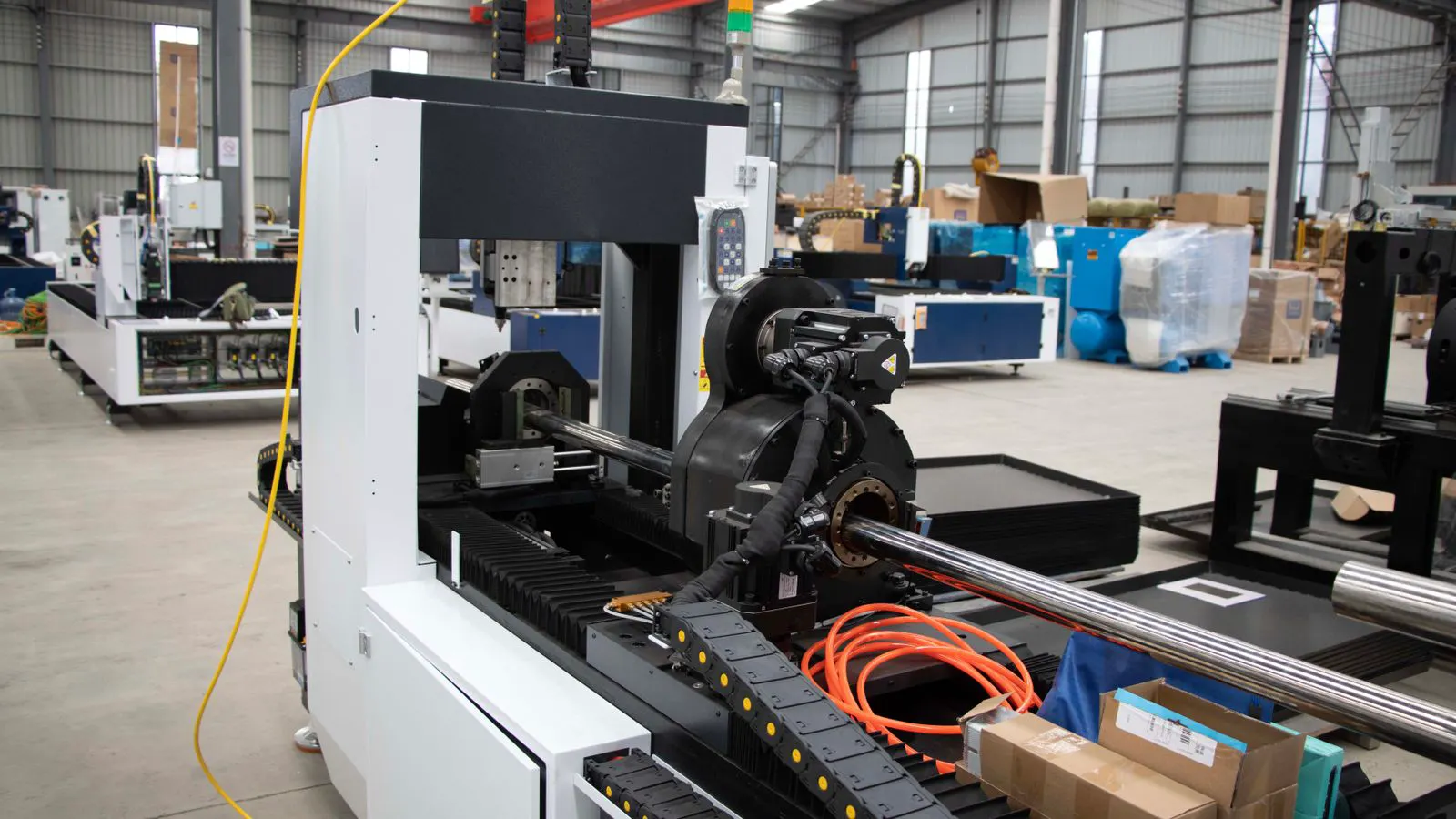
This checklist provides six direct questions to verify a stamping vendor's capabilities. It helps buyers confirm production capacity, quality systems, and tooling

A strong material specification for consumer parts defines grade, formability, and finish. It must align with part geometry and die type. Clear specs prevent rework and
Surface blemishes on stamped metal parts stem from die surface damage, lubricant residue, material inclusions, and coating failures. This guide lists common symptoms
Deep drawing excels for large, flat brackets with low volume. Progressive dies suit high-volume, complex brackets. The right choice depends on part size, geometry, and