
Cost & Tooling Lifecycle
Outlook: Smart Die Monitoring for Extending Tooling Life
Smart die monitoring extends die life by detecting wear early and adjusting pressure. It reduces tooling cost and production cost by preventing scrap, rework, and
See how tooling costs, die life, and production volume affect the total cost of your metal stamping parts.
Smart die monitoring extends die life by detecting wear early and adjusting pressure. It reduces tooling cost and production cost by preventing scrap, rework, and

Amortizing die cost over production volume reduces unit price by spreading the fixed tooling investment across more stamped parts. Higher volume increases the
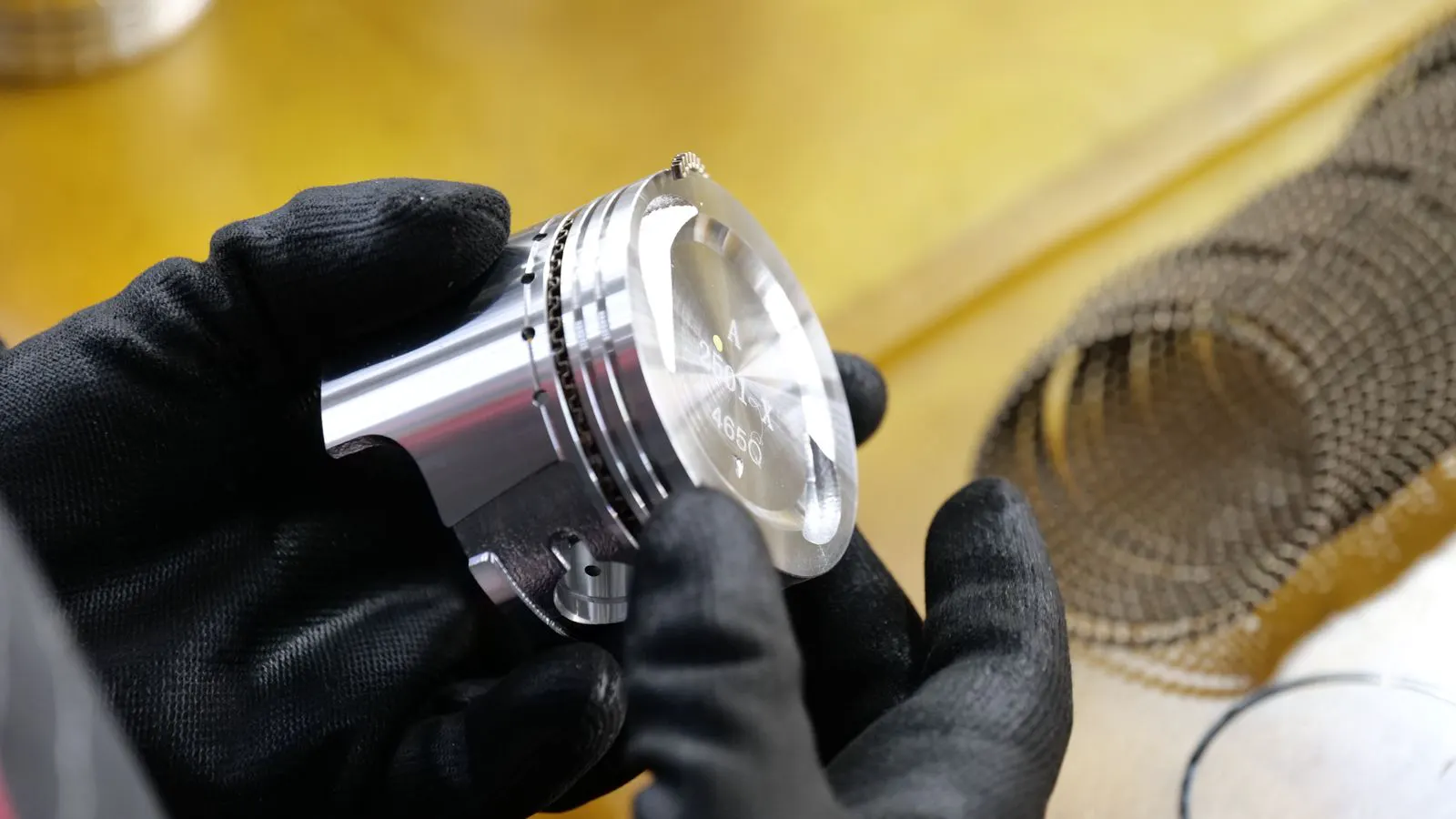
Selecting stamping tooling requires balancing initial investment against long-term performance. A buyer should evaluate die life, material hardness, and production

Die cost impacts stamping unit pricing through tooling amortization. High initial tooling costs raise per-part rates for short runs, while lower die costs improve
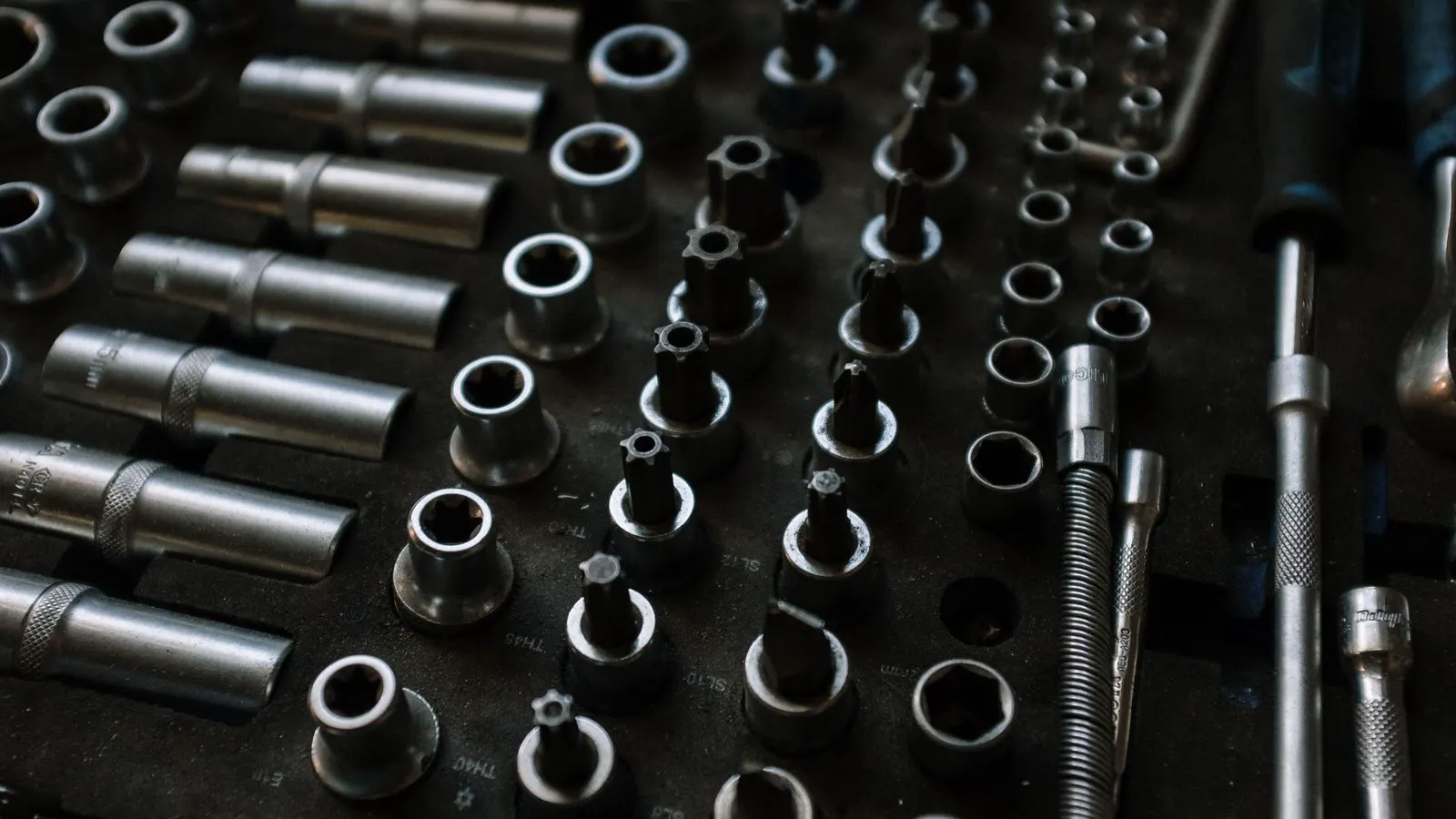
A stamping tooling cost calculation must include die life, unit price, setup, maintenance, and scrap. This checklist identifies the five factors that determine long-term
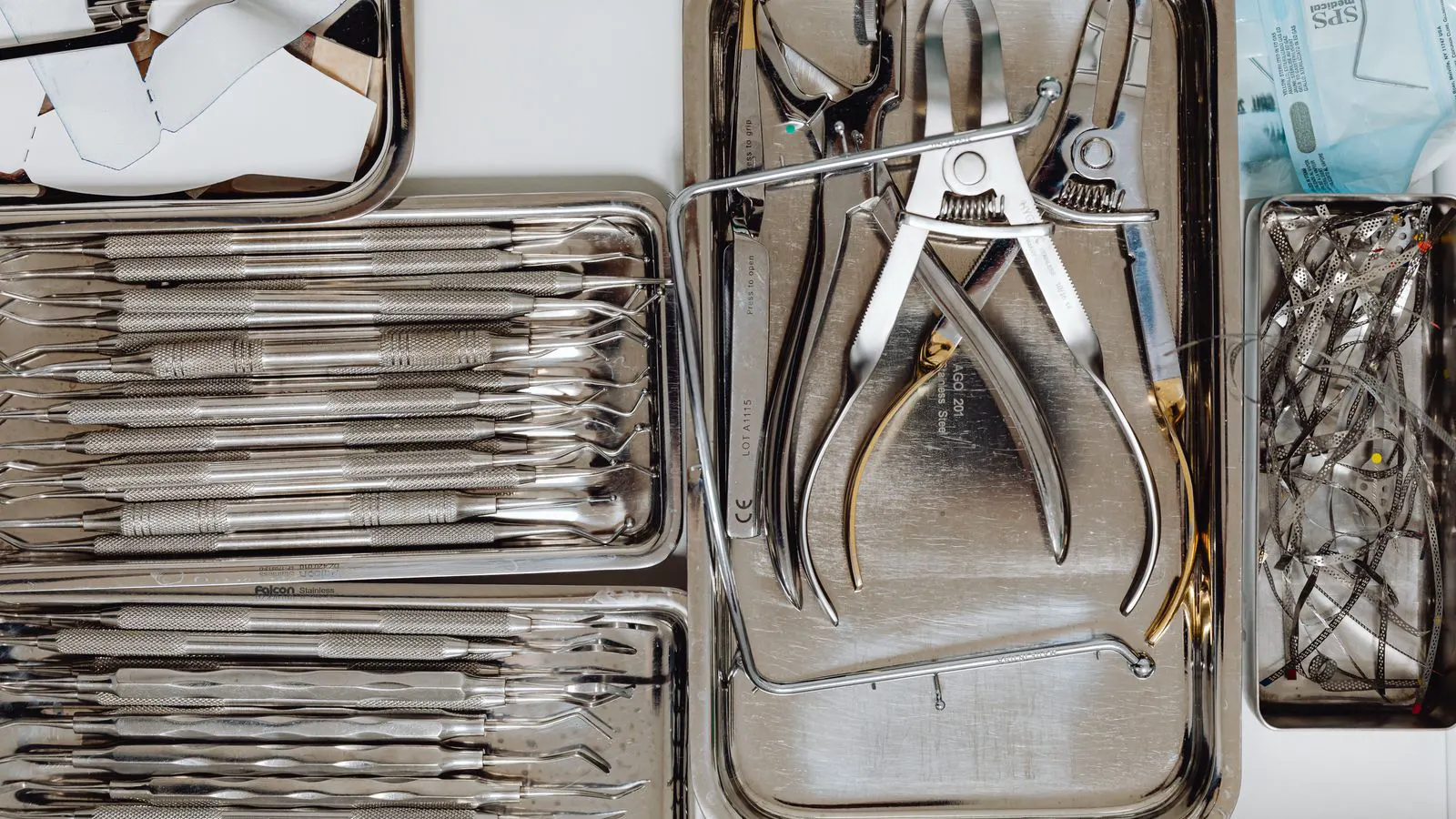
Progressive dies excel for stable high-volume runs but struggle with mixed schedules. Transfer dies offer higher flexibility but require more setup. The right choice
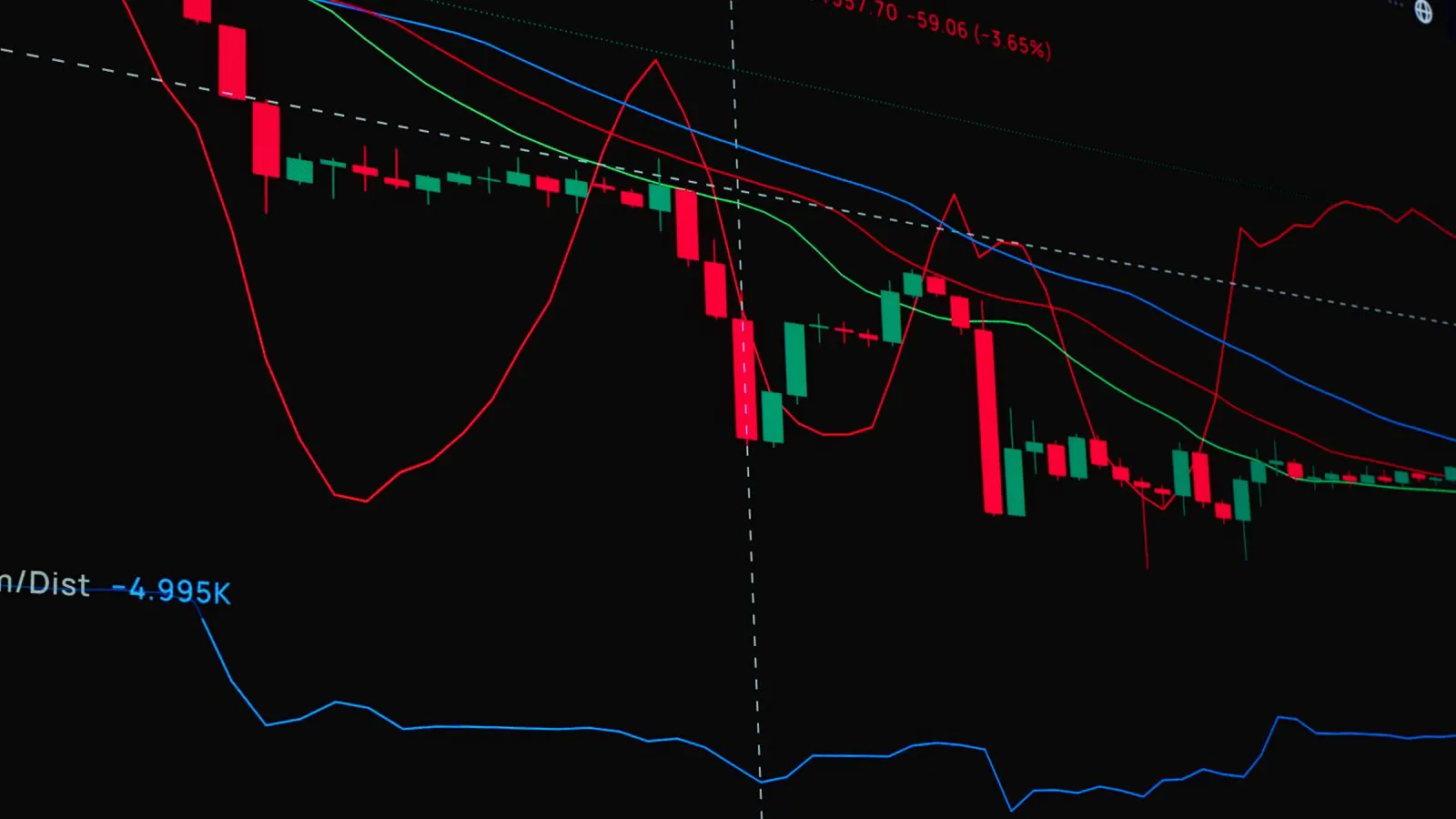
A progressive die costs more upfront, but the unit price drops as volume increases. For low volume production, the tooling cost per part must be calculated carefully.
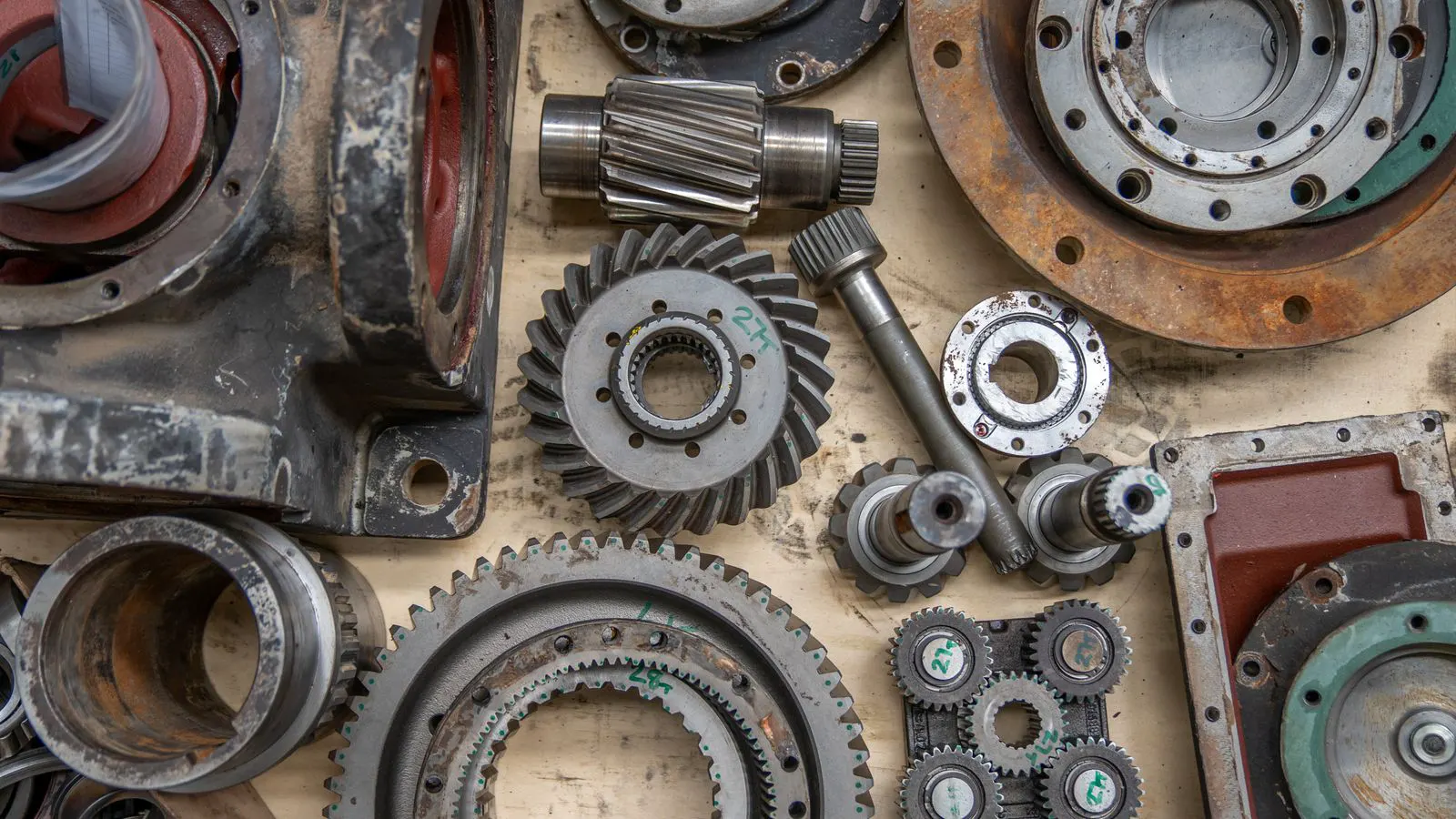
Die monitoring transforms tooling cost from a fixed amortization line into a variable driven by actual wear patterns. By tracking punch and die contact, operators can
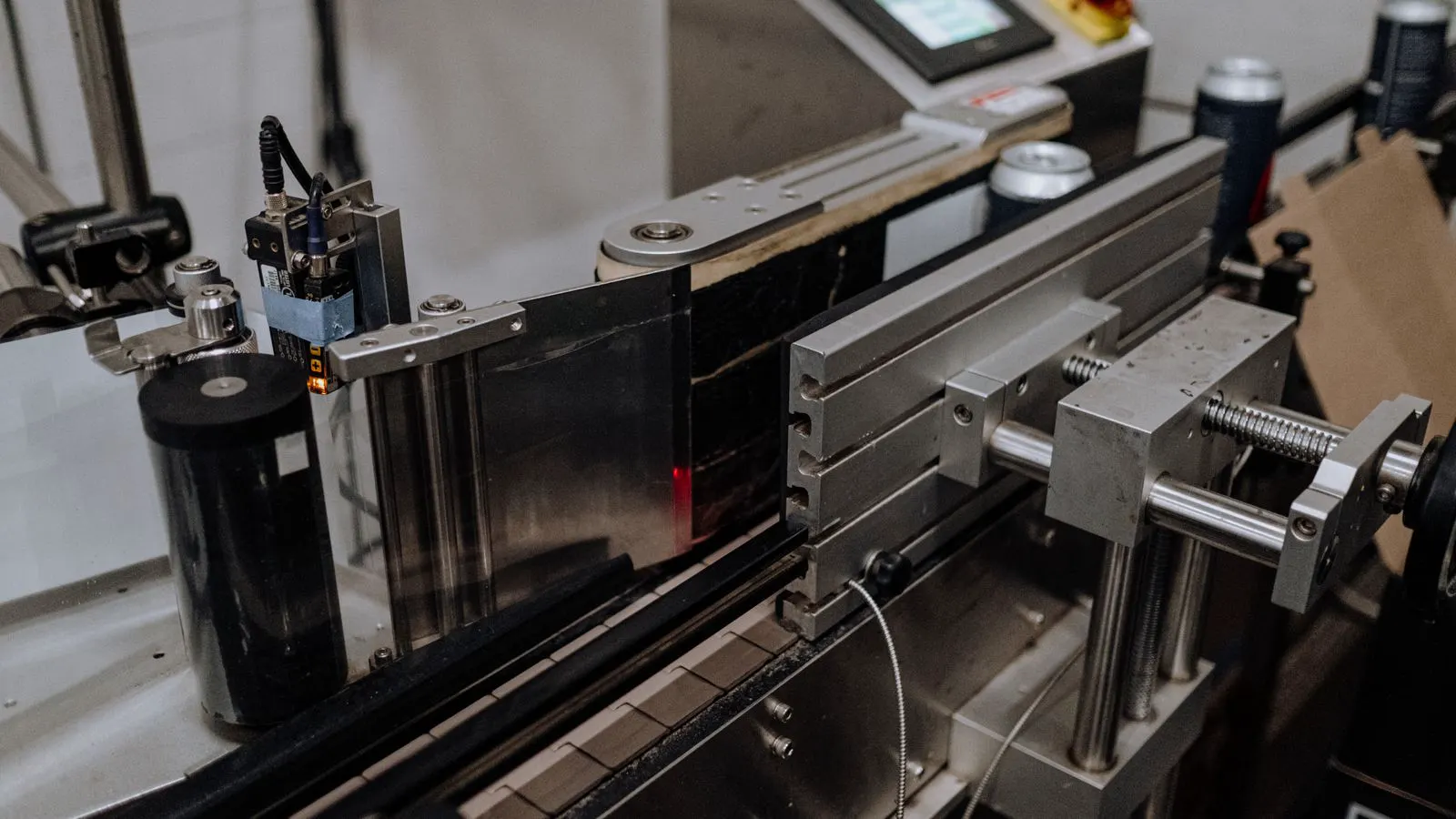
Premature punch wear causes stamp defects and lost production. This guide lists common symptoms, likely causes, and specific fixes to diagnose tooling issues and extend
Die complexity drives tooling lead time by dictating design iterations, tooling type, and quality checks. Importers can reduce delays by specifying die complexity early

This checklist helps procurement teams verify how die costs are recovered and allocated. It covers ownership, amortization periods, repair costs, and transfer terms to
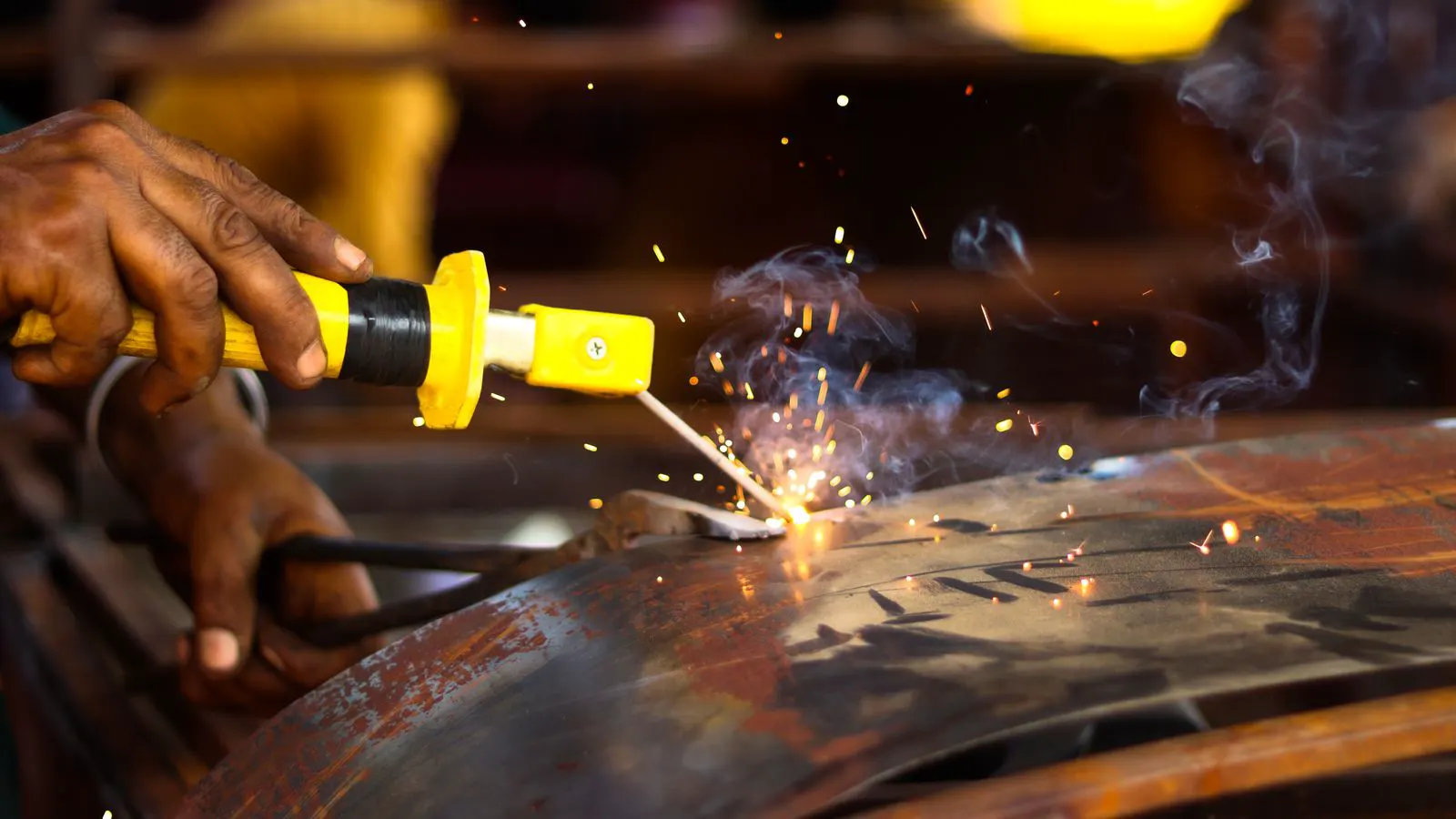
Volume breaks lower the unit price of stamped parts once production crosses set thresholds. They shift tooling amortization into the part price and reward early volume