Explainer: How Progressive Die Stations Sequence Stamping Operations
Progressive die stations move sheet metal through a series of fixed stations, performing one operation per stroke. This sequential layout allows complex parts to be
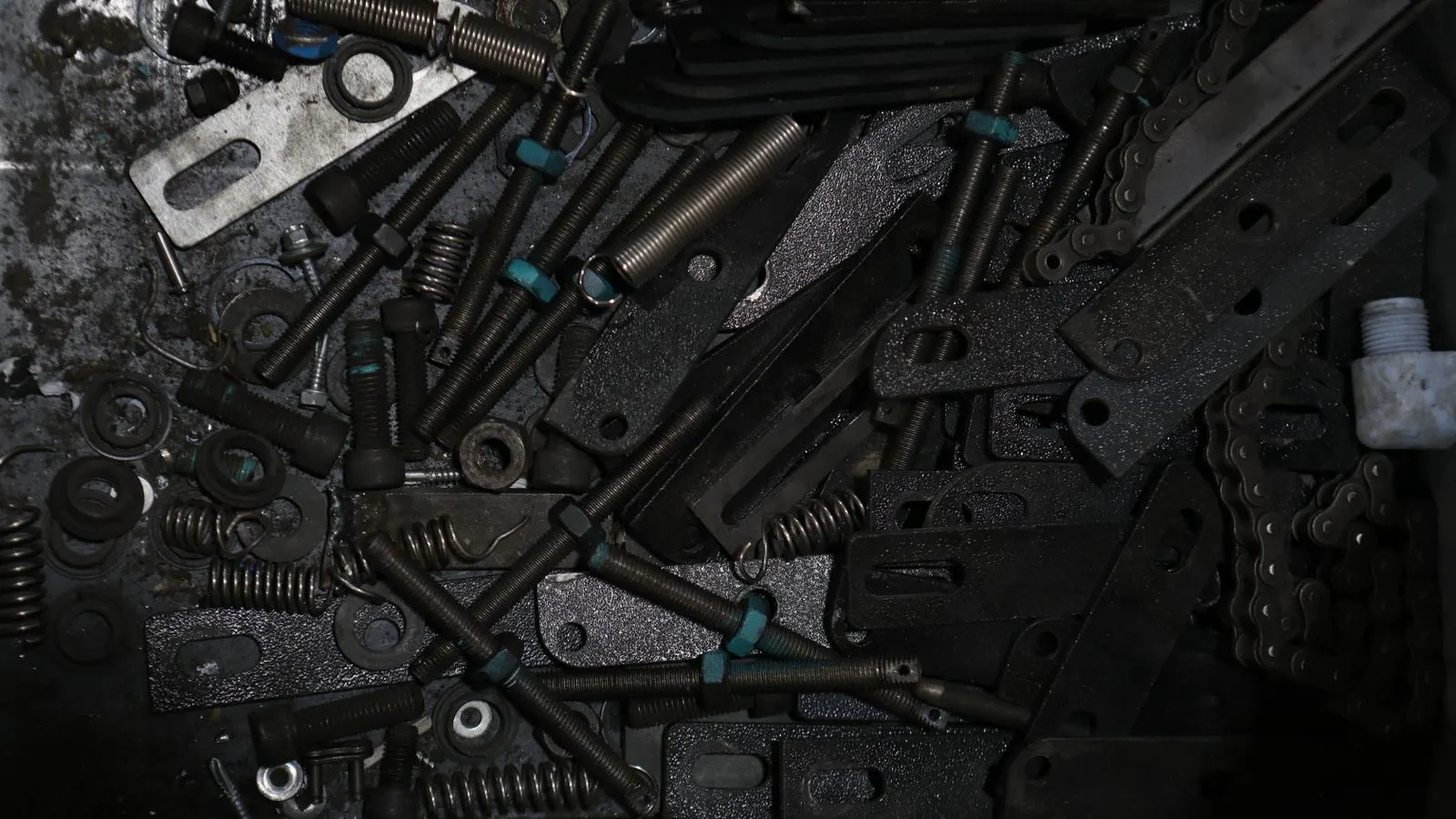
Learn how progressive and transfer dies work, their strengths, and how to select the right stamping process.

Progressive die stations move sheet metal through a series of fixed stations, performing one operation per stroke. This sequential layout allows complex parts to be

Sheet thickness selection in progressive die stamping requires balancing material formability against part integrity and scrap reduction. Engineers should match gauge to

Progressive die misalignment causes scrap and downtime on high-speed lines. This guide lists common symptoms, identifies root causes, and provides practical steps to

Die monitoring uses sensors and analytics to track press and tooling conditions in real time. By detecting early signs of wear or misalignment, it reduces unplanned

Progressive die lead time varies based on part complexity, supplier capacity, and documentation quality. Buyers should verify tooling lead times against production

Progressive dies suit complex multi-operation parts with high throughput needs. Transfer dies work better for simpler parts or when setup flexibility is needed. Choice

Specify a progressive die layout by mapping part features to distinct stations, defining material flow, and verifying stroke limits. This guide provides a step-by-step

Choose transfer die materials by balancing part hardness, production volume, and tool life. This guide outlines the specific material properties, cost factors, and

This progressive die first article checklist provides eight practical checks for verifying a new die before full production. It covers die setup, part dimensions

Progressive die stroke sets a hard physical limit on part geometry. If a stamped part exceeds the available stroke, the tool cannot be built. Buyers must match part

Transfer dies move the part from one die station to the next using a carrier plate, while progressive dies feed the sheet through multiple stations in a single stroke.

Progressive die misalignment causes scrap, wear, and downtime. This guide explains how to identify common symptoms, isolate the root cause through systematic die