Materials & Thickness
Outlook: Formability Limits of Ultra-High-Strength Steel
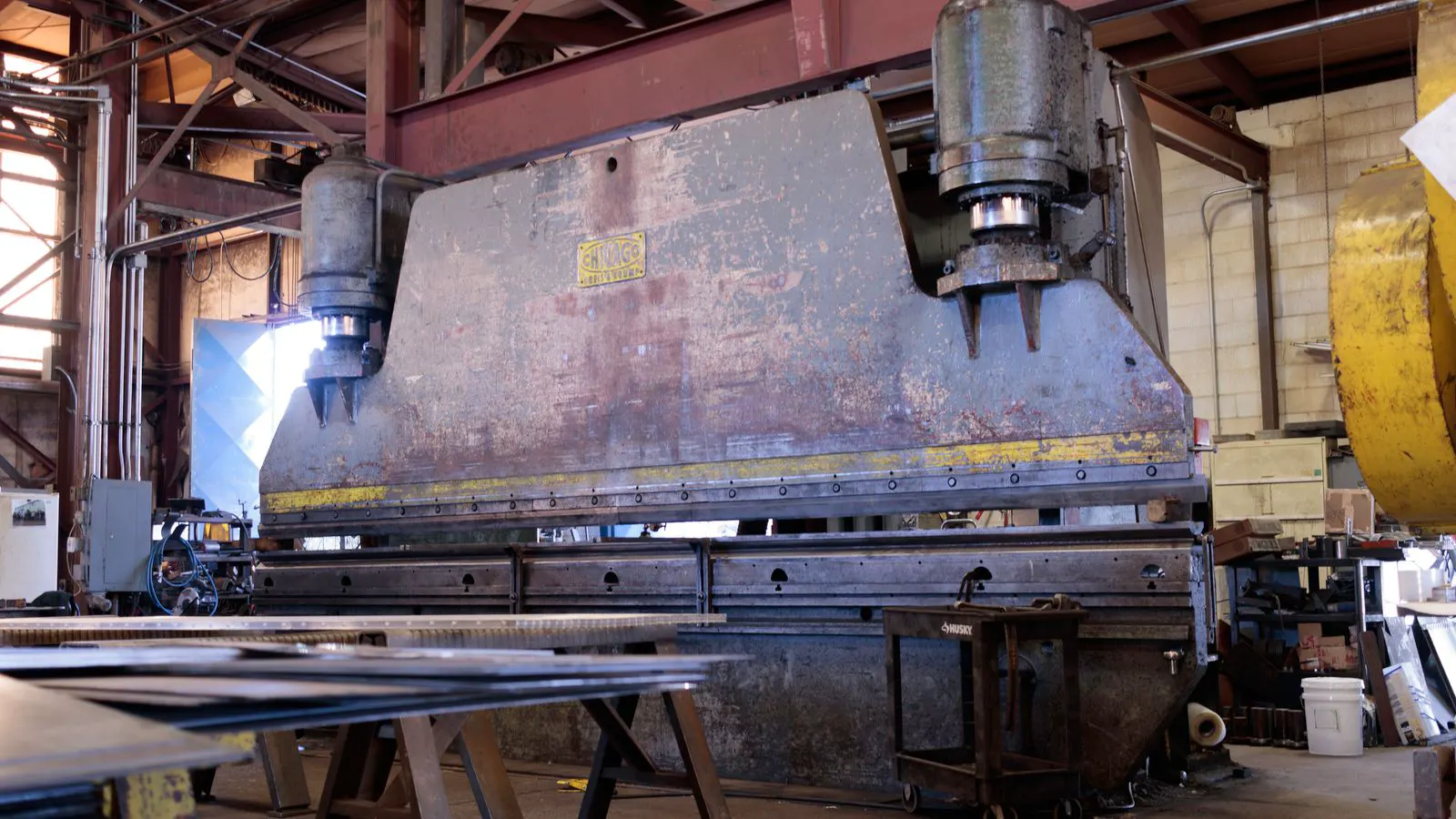
Ultra-high-strength steel changes press tonnage, tooling life, and forming limits. Engineers must verify sheet metal behavior, adjust die geometry, and test tooling wear
Practical metal stamping knowledge for buyers and engineers.
Buyers and engineers need clear answers on die selection, material behavior, tolerance control and tooling costs. This site covers those decisions in plain terms, without vendor bias or vague industry talk.
The sections break down progressive and transfer dies, material thickness limits, tooling design choices, quality controls, cost drivers and lead times. It also explains how to evaluate suppliers and match stamping processes to applications in automotive, electrical, appliance and industrial equipment.
Start with the stage of the sourcing process you are in.
Learn how progressive and transfer dies work, their strengths, and how to select the right stamping process.
Compare steel, aluminum, and other sheet materials with guidance on thickness limits for stamping parts.
Explore die design fundamentals, clearance, and forming rules that help engineers create robust stamping tools.
Understand key inspection methods, defect prevention, and tolerance standards for high-quality metal stamping.
See how tooling costs, die life, and production volume affect the total cost of your metal stamping parts.
Use practical criteria to evaluate suppliers, including capability, certifications, and communication for long-term projects.
Review common uses of metal stamping in automotive, aerospace, and consumer products to guide your part design.
Ultra-high-strength steel changes press tonnage, tooling life, and forming limits. Engineers must verify sheet metal behavior, adjust die geometry, and test tooling wear

Deep draw shapes flat sheet into hollow, cup-like parts using controlled tension. Punching cuts or forms flat profiles without significant depth. Choose deep drawing for
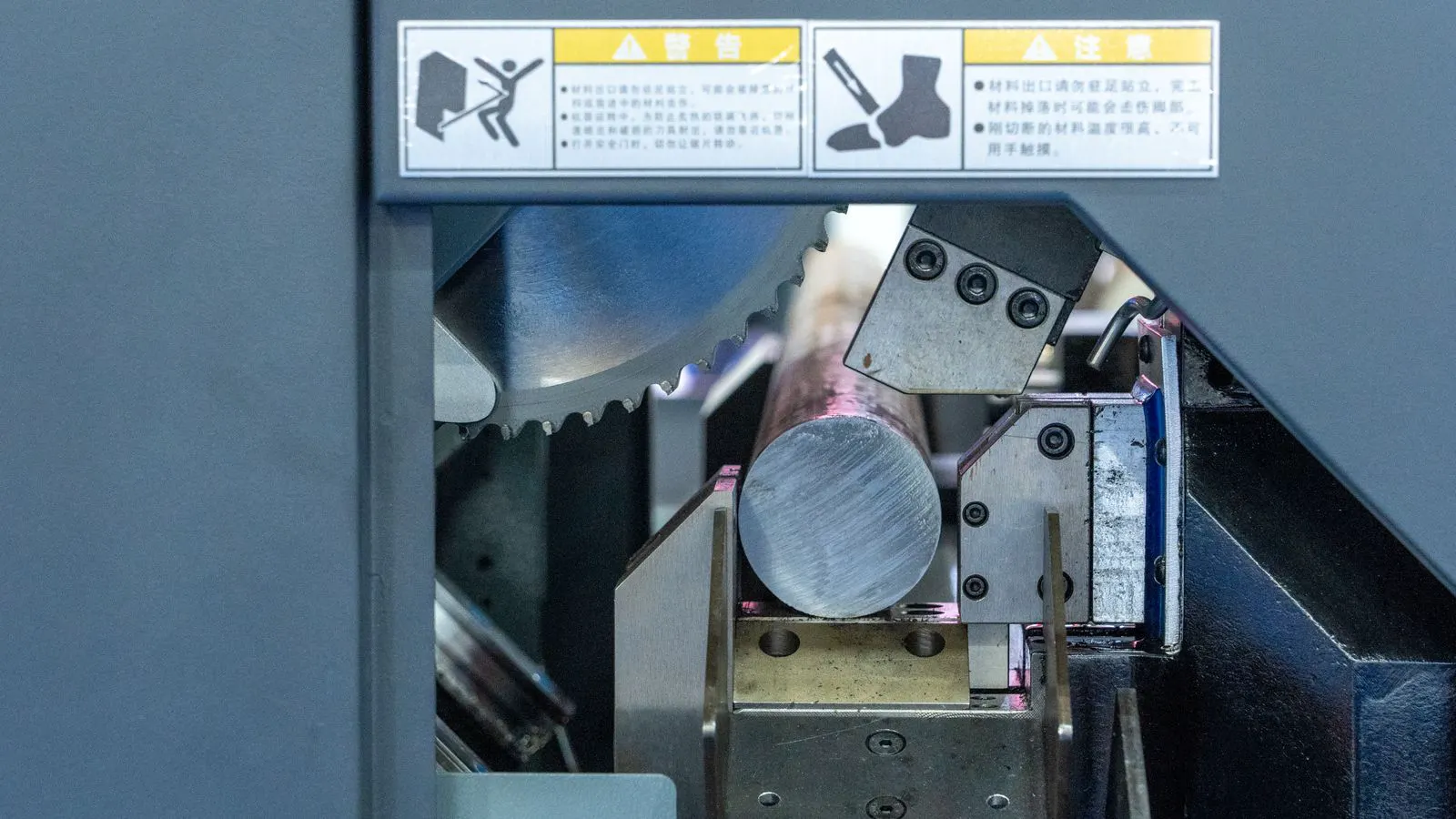
CMM inspection offers higher accuracy and detailed data for complex stamped parts, while manual gauging suits simple, high-volume runs. The choice depends on part
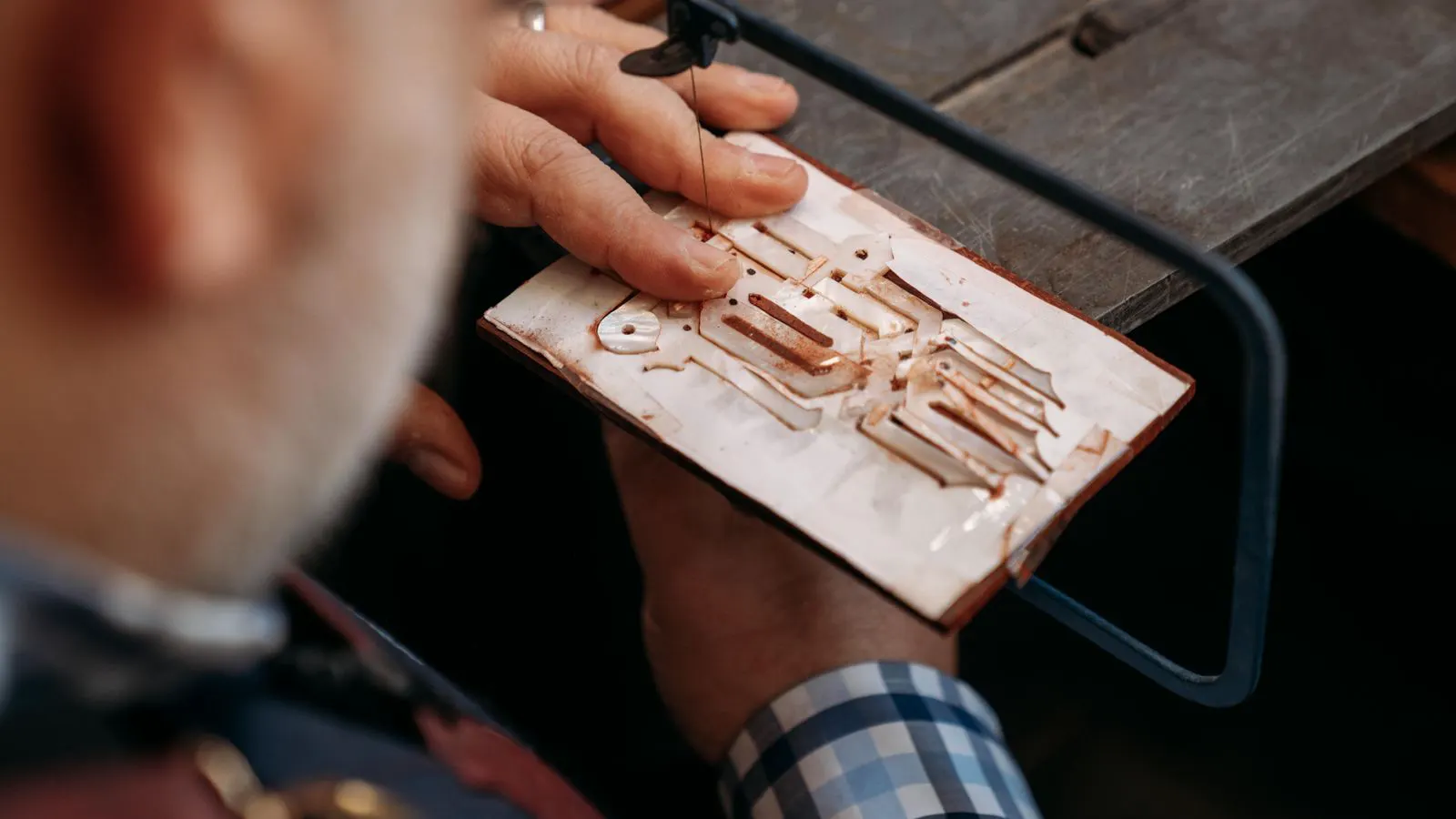
This checklist outlines seven key material properties engineers must verify to determine if a sheet metal part is feasible for deep drawing. It covers formability
Track punch wear, edge geometry, surface finish, and strike patterns to predict die replacement. This checklist helps maintenance teams identify early failure signs

Progressive dies suit high-volume, flat parts, while transfer dies handle complex shapes, multiple parts, or low volumes. Choose based on part geometry, material

Progressive dies suit long, stable runs of one part, while transfer dies handle mixed product runs better. This comparison explains how to select between the two for
CMMs offer high precision with higher capital and setup costs, while manual gauges provide low-cost, fast checks for larger tolerances. The right choice depends on part

Die rub causes surface scratches and uneven wear in progressive stamping. Identify friction points, adjust clearance, improve lubrication, and inspect die materials to

Tolerance zones define the acceptable dimensional band for stamped parts. They directly control inspection pass-fail logic, determine required measurement methods, and
A progressive die performs multiple operations in one press stroke, with the workpiece moving across fixed stations. A transfer die moves the part between stations using a transfer mechanism, which allows more complex forming and better access for tooling.
Thicker material requires more tonnage and heavier tooling, which raises die cost and press requirements. Thin gauge material is easier on the press but more sensitive to tearing, stretching and edge quality. The thickness call changes tool design, press selection and expected scrap rate.
Ask for first-article inspection, dimensional reports, surface finish checks, and a scrap rate summary. For critical dimensions, request CMM reports or gauge verification. For recurring issues, ask for cause analysis and corrective action records.
Lead time depends on die complexity, material availability and tooling shop capacity. Simple single-station parts can move faster than multi-station progressive dies. Confirm the die lead time separately from the part lead time, and ask about tooling approval milestones.
Review their press tonnage range, die set capability, material handling, and past work in your product category. Ask for references on a similar part, request a sample die quote, and confirm their quality documentation process. Do not rely on a single quote without visiting or video-reviewing their tooling shop.
Track die wear, scrap rate, and rework cost per unit. Negotiate tooling ownership and maintenance terms up front. If a part runs at volume, ask about tooling refresh plans and whether the supplier can share wear data to justify maintenance before failure.