Buyer's Guide: Stamping Suppliers for Thin Gauge Steel
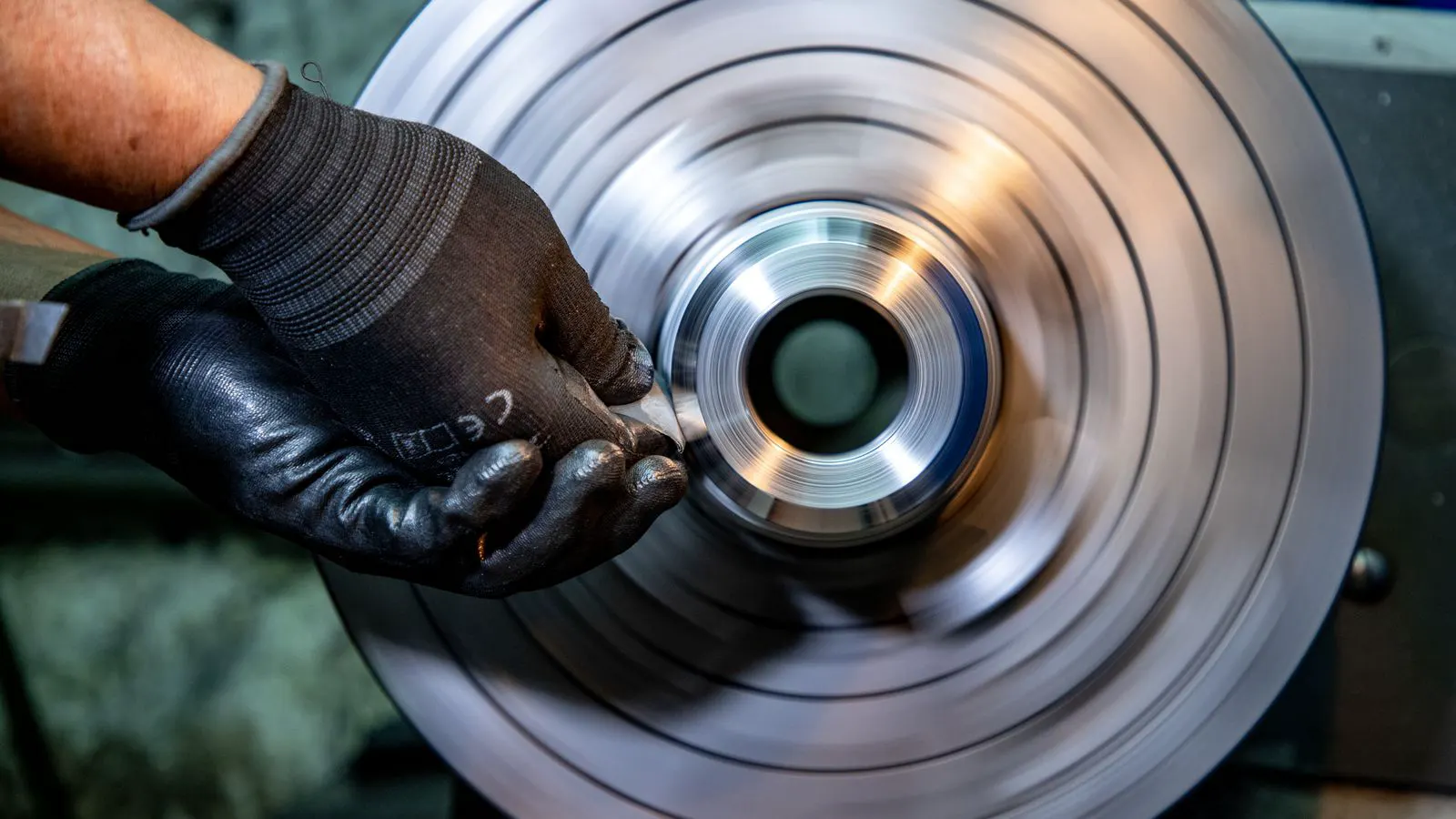
Evaluating suppliers for thin gauge stamping requires checking press tonnage, tooling quality, and material handling. This guide provides criteria for selecting a sheet metal supplier that can produce consistent thin sheet metal parts without defects.
- Match press tonnage to the gauge of the steel or stainless being processed.
- Inspect tooling for sharp edges and proper support to prevent tearing.
- Require samples and a first article inspection before full production.
- Verify material handling practices to avoid scratches and handling damage.
How to Evaluate Suppliers for Thin Gauge Stamping
Thin gauge materials behave differently than thick stock. They spring back, tear, and show surface marks more easily. Buyers often find that a supplier can handle 10 gauge steel but struggles with 24 gauge. This gap in capability causes delays, rework, and scrap.
This guide breaks down how to evaluate suppliers for thin gauge stamping. It covers the physical checks, documentation, and sample requirements needed to select a sheet metal supplier that can process delicate thin sheet metal parts.
How to Match Press Tonnage to Material Gauge
The press tonnage rating is the first technical check. Thin sheet metal parts require specific force to form or punch. If the press tonnage is too low, the tool will not fully penetrate the material. The part will be incomplete, or the tool will work hard and wear quickly. Consider a 16 gauge steel bracket. If the punch is not strong enough to cut through the full thickness, the edge remains partially attached. The part fails inspection because the cut is not clean. The punch may also deform the material instead of shearing it. This happens when the press is underpowered for the job.
If the tonnage is too high, the sheet can tear or buckle. Excess force pushes the metal past its limit. This is common when a supplier uses a heavy duty press for a light duty part. Imagine running a 28 gauge stainless steel cover on a 100 ton press. The punch may punch through, but the surrounding metal crumples. The sheet tears near the punch edge. The part looks damaged. The die may also suffer impact damage. The supplier must balance force.
Request the press specifications from the supplier. Look at the tonnage rating at the die center. Verify this matches the material gauge and the part geometry. A supplier that processes thin gauge stamping regularly will know how to calculate this. They will not guess. Ask for the maximum tonnage available at the specific station where your part will be formed. A 50 ton press may be rated for 50 tons at the center but less at the edges. The die area matters here.
Check the die area. A small die area on a high tonnage press concentrates force. This is useful for deep drawing. A large die area spreads force. This is better for flat blanks or multiple cuts. The supplier must explain how their press setup matches your part design. If your part is a flat panel with many small holes, a large bed press is better. If it is a deep cup, a high tonnage press with a smaller die area may be needed. The supplier should show you the press layout or a diagram of the die placement.
Tooling Quality and Surface Finish
Tooling edges define the quality of the cut. For thin sheet metal parts, a dull edge causes tearing. The material stretches at the cut line before it separates. This creates a ragged edge that may not meet dimensional tolerances. Look at a 20 gauge aluminum panel. If the punch edge is worn, the cut line becomes rough. The edge may have burrs on both sides. The part may not fit into an assembly. The supplier should show you the tooling. Ask for photos of the punch and die edges before production starts.
Inspect the tooling. Look for sharp, clean edges on the punch and die. Check for nicks or wear. A supplier that handles delicate materials will maintain tooling strictly. They may use sharper inserts or harder tool steel. For thin gauges, tool steel selection is critical. Softer steels wear faster. Harder steels may chip if the material is abrasive. Ask what material the tooling is made of. Ask how often they inspect the edges. A good supplier checks the edges every few hundred parts.
Surface finish on the tooling matters too. A rough surface can scratch the sheet. This is visible on the finished part. For consumer parts or exposed surfaces, this is a defect. Ask how the supplier finishes their tooling. Polished or coated surfaces reduce friction. A coated punch may prevent the metal from sticking. This is especially useful for galvanized steel or coated materials. The coating can also help with release. If the supplier uses a rough die, the part may come out with visible marks.
Tool support is another factor. Thin sheet metal parts can wrinkle if the support is poor. The supplier should use appropriate backing plates. These support the sheet during the cut or form. They reduce the chance of the part bending or deflecting. Without support, the sheet may sag under its own weight or the force of the press. This causes uneven cuts or bends in the part. For example, a large flat panel may bow if there is no backing. The supplier should use a flat, rigid backing plate that holds the sheet in place.
Material Handling and Damage Control
Thin gauge materials are easy to scratch. Scratches on the surface become visible defects. They may also act as stress risers. In some applications, a scratch is a reason to reject a part. Consider a thin gauge automotive trim piece. A scratch from a forklift wheel may be visible in bright light. The part fails cosmetic inspection. The supplier must handle the material with care.
Evaluate the material handling process. How does the supplier receive the coil or flat stock? Do they use proper cradles or racks? Improper handling causes bends and dents in the sheet. These defects appear in the finished part. Ask if the supplier uses soft cradles or padded racks. Metal-on-metal contact causes scratches. A good supplier uses plastic or rubber padding. They may also use dedicated racks for thin gauges. These racks prevent the sheet from bending.
Check the transfer process. Moving sheets from storage to the press involves handling. Gloves, smooth surfaces, and proper lifting methods reduce damage. A supplier that handles thin sheet metal parts with care will have specific protocols. Ask how they move the sheet. Do they use a conveyor? Do they lift it by hand? Do they use a vacuum lift? Vacuum lifts can damage the surface if not used correctly. Hand handling with gloves is often safer for thin gauges. The supplier should have a written procedure for handling.
Storage conditions also matter. Humidity can cause rust on steel. This is a risk for thin gauges because the metal is thin. The supplier should store materials in controlled environments. They should inspect stock for rust or contamination before processing. Ask if the storage area is climate controlled. Ask how long the material sits before processing. Long storage times increase the risk of rust. The supplier should use rust preventive oils or coatings. They should also check the material for oil or grease. These can cause issues during stamping.
Defect Prevention and First Article Inspection
Defects in thin gauge stamping are often subtle. They are not always visible to the naked eye. They require specific checks. The supplier must have a process to catch these defects early. Consider a thin gauge electronic enclosure. A small scratch may not be visible, but it may cause a crack later. The supplier must inspect for these defects.
Request a first article inspection. This is a formal check of the first few parts. It verifies dimensions, surface finish, and material properties. The supplier should provide a report with measurements. Ask for a written report. It should include part numbers, dimensions, and surface finish notes. The report should also include photos of any defects. This report is part of the quality record. It shows the supplier is following a process.
Check for springback. Thin sheet metal parts often spring back after forming. This is a material behavior, not a tooling failure. The supplier must compensate for it in the tool design. If they do not, the parts will be out of tolerance. For example, a bent bracket may come out of the die with a smaller angle than designed. The supplier should know how much springback occurs for your material. They should adjust the die angle to compensate. Ask them to show you how they calculate springback.
Look for tearing. Tearing happens when the material exceeds its limit. It is a sign of poor tooling or wrong press tonnage. The supplier should show you how they prevent it. They may use pilot holes or different punch angles. Pilot holes reduce the force needed for the final cut. This prevents the sheet from tearing. Ask if they use pilot holes for thin gauges. Ask about punch angles. A sharp angle may be better for thin materials.
Check for wrinkles. Wrinkles are folds in the sheet. They happen when the material has excess area. The supplier must control the flow of material during forming. They may use draw beads or support plates. Draw beads grip the sheet and control its movement. They reduce wrinkles. Ask if the supplier uses draw beads. Ask how they support the sheet. A good supplier uses a combination of draw beads and support.
Supplier Documentation and Communication
Documentation proves capability. A supplier that can handle thin gauge stamping will have clear records. They will not rely on verbal assurances. Ask for a copy of their quality plan. It should show how they control the process. Ask for their inspection records. They should show how they measure parts.
Request material certificates. These show the chemical composition and mechanical properties of the steel. For thin sheet metal parts, this is critical. The supplier must match the material to your spec. Ask for the mill certificate. It should list the material grade, gauge, and mechanical properties. If the supplier uses a different material, they must tell you. This can affect the part’s strength and formability.
Check the process control documents. These show how the supplier monitors the process. They may include checklists for tooling, press settings, and part inspection. These documents show the supplier has a system. Ask for a copy of their tooling inspection checklist. It should show how often they check the edges. Ask for their press setup sheet. It should show the tonnage, speed, and die pressure.
Communication is a practical check. Can the supplier answer technical questions? Do they explain why a part is difficult? A supplier that understands thin gauge stamping will explain the trade-offs. They will not just say yes or no. Ask them to explain a specific challenge with your part. For example, ask how they would handle a thin gauge part with a sharp corner. A good supplier will explain the risk of tearing. They may suggest a pilot hole or a different tool design.
Criteria Table for Supplier Evaluation
Use this table to score potential suppliers. It covers the key areas for thin gauge stamping.
| Criterion | What to look for | Why it matters |
|---|---|---|
| Press Tonnage | Match to material gauge and die area | Prevents tearing, buckling, and tool wear |
| Tooling Quality | Sharp edges, proper support, good finish | Ensures clean cuts and prevents surface damage |
| Material Handling | Proper storage, careful transfer, low scratch risk | Protects thin sheet metal parts from defects |
| Defect Control | First article inspection, springback compensation | Catches issues early and ensures tolerance |
| Documentation | Material certs, process records, clear communication | Proves capability and provides a paper trail |
Decision Checklist
Use this checklist to make the final decision. It is a quick reference for the buyer.
- Press tonnage matches the material gauge and part geometry.
- Tooling is sharp, clean, and properly supported.
- Material handling protects the sheet from scratches and dents.
- First article inspection is included in the quote.
- Supplier provides material certificates and process records.
- Supplier can explain the springback behavior of your material.
- Supplier has a clear process for reporting defects.
- Lead time and capacity are confirmed in writing.
- Sample parts are approved before full production.
- Supplier has experience with your specific material and gauge.
Final Thoughts
Selecting a supplier for thin gauge stamping is a technical process. It is not just a price comparison. The supplier must understand the material behavior. They must have the right equipment and the right process.
Buyers who check press tonnage, tooling, and handling will find fewer defects. They will also find a supplier that can scale with their needs. The supplier you choose will determine the quality of your thin sheet metal parts.
Frequently asked questions
How do I know if a supplier can handle thin gauge stamping?
Check their press tonnage, tooling quality, and material handling process. Ask for samples and a first article inspection.
What is the biggest problem with thin sheet metal parts?
Tearing and surface damage. Thin materials are easy to scratch and tear during cutting or forming.
Do I need a first article inspection?
Yes. It verifies that the first parts meet your specs. It catches defects before full production.
How does press tonnage affect thin gauge parts?
Too little tonnage causes incomplete cuts. Too much tonnage causes tearing. The supplier must match it to your material.
What materials are used for thin gauge stamping?
Cold rolled steel and stainless steel are common. Aluminum is also used. The supplier must handle the specific material.