Comparison: Hot Rolled vs Cold Rolled Steel for Stamping
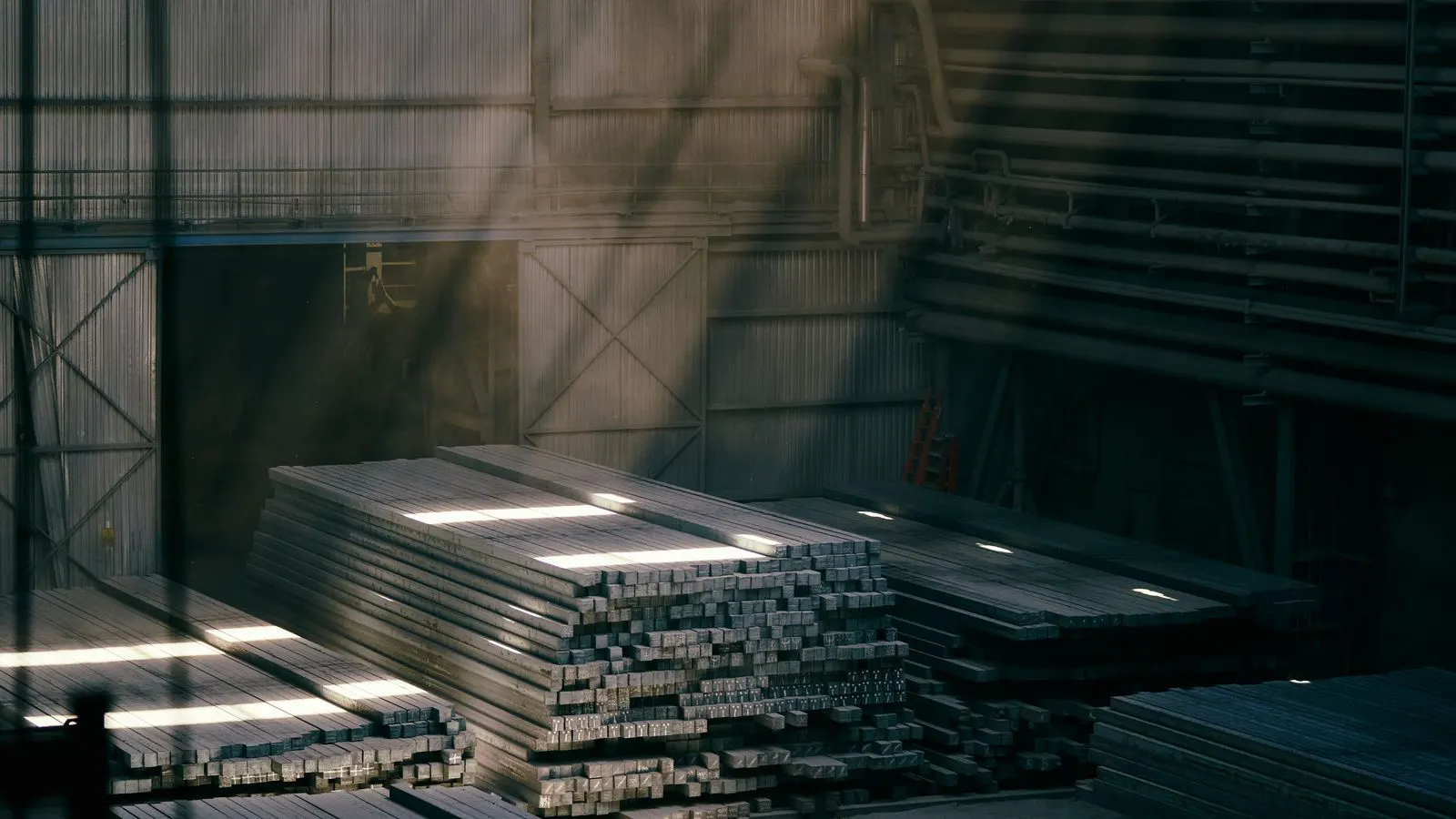
Hot rolled steel offers lower cost and greater thickness options, while cold rolled steel provides better surface finish and dimensional accuracy. Selection depends on part requirements for surface quality, thickness, and cost.
- Hot rolled steel is typically cheaper and available in thicker gauges, making it suitable for structural or low-appearance parts.
- Cold rolled steel offers superior surface finish and tighter thickness tolerances, ideal for parts requiring paint, coating, or precision.
- Formability differences matter for deep draw and complex shapes, where cold rolled steel often performs more predictably.
- Cost and lead time often favor hot rolled steel, but finishing operations can offset savings with cold rolled steel in some applications.
What distinguishes hot rolled from cold rolled steel
Hot rolled and cold rolled steel start from the same raw material. The difference is processing. Hot rolling forms the sheet while the steel is above its recrystallization temperature, usually around 800 to 900 degrees Celsius. The sheet comes out of the mill with an oxidized surface, often called mill scale, and has a rougher texture.
Cold rolling is done at or near room temperature. The sheet is rolled in a controlled environment, and the final thickness is set by the cold reduction process. The surface is smooth, and the thickness is closer to the nominal size. Cold rolling also aligns the metal grains and increases strength, which changes how the material behaves in the press.
For stamping, these differences are not minor. They affect the surface of the finished part, the ease of drawing, the need for additional processing, and the total cost of the part.
Surface finish and appearance requirements
The first decision point is often appearance. If the stamped part will be visible, painted, coated, or used in a product where the surface is visible, cold rolled steel is usually the safer choice. Hot rolled steel carries mill scale, which must be removed by grinding, pickling, or other surface preparation before any coating can be applied evenly.
Cold rolled steel has a surface finish that is smooth enough for many painting and coating operations. It can be left as rolled, or it can be further finished with brushing, pickling, or coating. The surface is uniform, and the thickness is consistent across the sheet.
Hot rolled steel is often used when the surface will be covered, ground, or not visible. For example, a stamped bracket that bolts to a machine frame may not need a finished surface. In that case, the cost advantage of hot rolled steel is more meaningful.
When selecting sheet material, the buyer should ask what the final part will look like. If the part will be painted, powder coated, or used in a customer-facing product, the surface condition of the sheet matters. If the part will be welded, machined, or hidden, the surface requirement is lower.
Formability and drawing capability
Formability is the second major factor. Cold rolled steel generally offers better formability for many stamping operations, especially deep drawing and complex shapes. The grain structure after cold rolling is more uniform, and the material responds more predictably in the press.
Hot rolled steel can be stamped, but it may require different tooling, draw conditions, or additional annealing. The material is softer in some regions and may have a more uneven grain flow. This can make deep draws more difficult and increase the risk of cracking or wrinkling.
The difference is most noticeable in parts with high drawing ratios, such as cups, housings, or shaped containers. For shallow bends and simple punch-and-die work, both steel types can perform well.
A good rule of thumb is to match the formability of the material to the complexity of the part. Simple parts can be stamped from hot rolled steel with lower cost. Complex parts usually benefit from the predictable behavior of cold rolled steel.
Thickness availability and tolerance
Thickness availability and tolerance are practical concerns. Hot rolled steel is commonly produced in thicker gauges, from about 1.5 mm up to much larger thicknesses, depending on the mill and product line. Cold rolled steel is often produced in thinner gauges, from about 0.5 mm up to around 3 mm, with some mills offering thicker cold rolled products.
Thickness tolerance also differs. Cold rolled steel is usually tighter in thickness, often within a few thousandths of an inch or a few hundredths of a millimeter. Hot rolled steel tends to have a wider thickness tolerance, which is acceptable for many structural applications but may not be suitable for parts where stack-up or clearance is critical.
If the stamped part is used in a mechanism where thickness affects fit, cold rolled steel is usually the better choice. If the part is a heavy structural component, hot rolled steel can be more economical.
Cost, lead time, and finishing
Cost is where the two options often diverge. Hot rolled steel is usually less expensive per ton than cold rolled steel. The rolling process is less energy intensive, and the product can be produced in larger quantities with less finishing.
Cold rolled steel costs more because of the additional rolling passes, surface preparation, and tighter quality control. The price difference is usually modest for thin gauges but can become more significant for thicker sheets or higher surface grades.
Lead time can also differ. Hot rolled steel is often available in standard sizes and thicknesses, which can shorten lead times. Cold rolled steel may require specific thicknesses, surface grades, or coating specifications, which can add time.
Finishing also affects cost. If a hot rolled part needs grinding, pickling, or extra coating to match the appearance of a cold rolled part, the savings from the steel may disappear. If a cold rolled part can be stamped and sent to final assembly with little or no extra work, the higher steel cost may be offset by lower finishing costs.
Comparison table: hot rolled vs cold rolled steel for stamping
| Option | Best for | Limitations |
|---|---|---|
| Hot rolled steel | Low-cost structural parts, thick sections, parts with hidden or ground surfaces | Rougher surface, wider thickness tolerance, may need surface preparation |
| Cold rolled steel | Visible parts, painted or coated parts, thin gauges, precise thickness | Higher cost, thinner thickness range, may require more careful handling |
| Cold rolled steel with coating | Painted or corrosion-resistant parts | Higher cost, coating must be specified and verified |
| Hot rolled steel with grinding | Heavy parts where surface is not visible | Grinding adds cost and time, may affect surface uniformity |
| Annealed cold rolled steel | Complex drawing and high formability parts | Softened material may require rework or different tooling |
This table is a starting point. The actual choice should be based on the part drawing, surface requirements, thickness, and the finishing process.
When to pick hot rolled steel
Pick hot rolled steel when the part is not appearance critical. Examples include brackets, frames, supports, and structural components that will be welded, machined, or hidden inside a larger assembly. The part does not need a smooth surface, and the thickness tolerance is acceptable.
Hot rolled steel is also a good choice when the part is thick. If the design requires a section above the common cold rolled range, hot rolled steel may be the only practical option. It is also a good choice when the buyer wants to reduce material cost and the part will be finished in a way that covers the mill scale.
Before selecting hot rolled steel, confirm the surface condition. Ask the supplier about mill scale, surface roughness, and thickness tolerance. If the part will be coated, confirm that the surface can be prepared without adding excessive cost.
When to pick cold rolled steel
Pick cold rolled steel when the part is visible, painted, or coated. The surface must be smooth and uniform, and the thickness must be accurate. Thin gauges are usually easier to obtain in cold rolled form, and the material often behaves better in complex shapes.
Cold rolled steel is a good choice for parts used in consumer products, automotive components, appliance housings, or any product where the surface is seen by the user. It is also a good choice when the stamped part is part of a stack-up where thickness variation matters.
Before selecting cold rolled steel, specify the surface grade and thickness. Some cold rolled products are left as rolled, while others are pickled, brushed, or coated. The surface condition affects paint adhesion, coating uniformity, and final appearance.
How to verify the sheet material before stamping
Sheet material selection is only as good as the actual material that arrives at the stamping shop. The buyer should request mill certificates or material test reports. These documents should identify the steel grade, thickness, surface condition, and mill of origin.
Check the thickness tolerance against the drawing. If the drawing calls for a specific thickness, the supplier should provide material that falls within the acceptable range. For thin gauge work, even a small variation can affect fit and function.
Surface condition should be inspected. Look for rust, scale, scratches, or coating defects. If the part will be painted, the surface should be clean and free of contaminants.
A simple inspection can save a lot of rework. A few minutes of checking the material before the press starts can prevent a batch of bad parts.
Frequently asked questions
Can hot rolled steel be used for thin gauge stamping?
Yes, but cold rolled steel is more common for thin gauges because it is easier to obtain in precise thicknesses and has a smoother surface. Hot rolled steel is more typical for thicker sections.
What is the main difference in formability between the two?
Cold rolled steel generally offers more predictable formability, especially for deep draws and complex shapes. Hot rolled steel can be stamped, but it may require different tooling or annealing.
Which steel is cheaper?
Hot rolled steel is usually less expensive per ton than cold rolled steel. The cost difference can be offset by extra finishing if the hot rolled surface needs preparation.
Do I need a mill certificate for every batch?
Yes, especially for critical applications. A mill certificate confirms the grade, thickness, and surface condition. It is a simple check that reduces the risk of using the wrong material.
Can I use hot rolled steel for painted parts?
It is possible, but the surface must be prepared. Mill scale and rust must be removed, and the surface must be clean before painting. This adds cost and time. ===END===