Cost and Lead Time: Choosing Thin vs Thick Sheet Steel
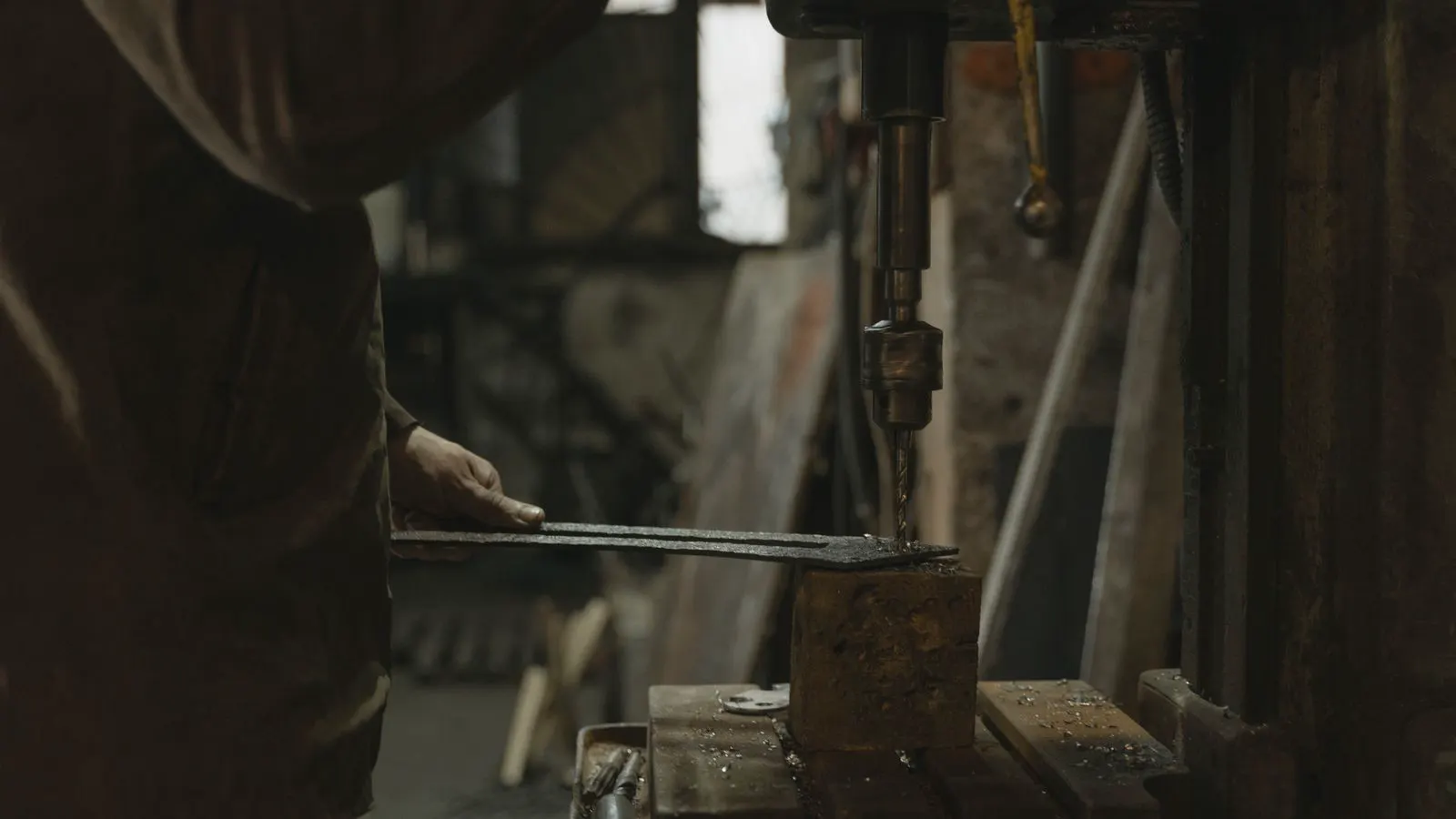
Thin sheet steel usually lowers tooling costs but increases formability risk and handling time. Thick sheet steel requires heavier presses and longer tooling cycles, which drives up capital spend and lead time. The final quote depends on the interaction between gauge, part complexity, and material grade.
- Thin sheet steel reduces die wear but increases the risk of wrinkles and tearing during deep drawing.
- Thick sheet steel demands higher tonnage presses, which limits supplier capacity and increases setup time.
- Compare quotes by isolating material cost, tooling amortization, and labor hours rather than looking at unit price alone.
- A clear RFQ that specifies gauge, grade, and tolerance reduces quote variance and accelerates the sourcing phase.
How Metal Thickness Changes the Stamping Process
Metal thickness changes how a part moves through the factory floor. A 0.5 mm sheet behaves differently from a 3 mm plate. The difference affects the press tonnage required, the number of operations needed, and the speed at which the machine can cycle.
Thin sheet steel is flexible. It bends easily, which is useful for complex shapes. However, it is also prone to stretching, thinning, and tearing. Engineers must account for this formability in the die design. If the die is too aggressive, the part fails. If it is too passive, the part may not hold its shape.
Thick sheet steel is rigid. It holds its shape well but requires much more force to move. A part that takes five seconds to form from thin material may take thirty seconds from thick material. This cycle time difference compounds over thousands of parts. It directly impacts the labor cost and the number of machines needed to meet the production volume.
What Drives the Cost of Thin versus Thick Material
The price of the raw material is only one factor. The cost of stamping a part depends on the interaction between the material, the die, and the press.
When a part is made from thin sheet steel, the die tooling is often less expensive to machine. The metal is easier to cut, so the blanking punch wears down more slowly. The tooling life may be measured in millions of cycles. This lowers the cost per part because the tooling expense is spread over a longer production run.
Thick sheet steel changes the math. The punch must be hardened to a higher standard to resist the impact force. The die plates must be thicker to support the pressure. These components take longer to machine and require more expensive steel. The tooling cost per set is higher. The tooling life may be shorter if the material contains inclusions or has uneven hardness.
The press itself is a major cost driver. Thin sheet can often be stamped on a 100-ton or 200-ton press. Thick sheet may require a 600-ton or 1000-ton press. These larger presses are capital intensive. Suppliers may have limited availability for these machines. If a supplier has to rent a large press for your project, that cost will appear in the quote.
How Lead Time Shifts with Material Gauge
Lead time is not just about cutting the metal. It is about the entire sequence of operations.
For thin sheet steel, the lead time is often shorter. The material can be handled with standard equipment. The die can be tested quickly. If a part fails on the first trial, the correction is usually a small adjustment to the die clearance. The rework time is minimal.
Thick sheet steel extends the lead time. The die setup is heavier. The alignment of the punch and die is more sensitive. A small error in the tooling position can cause the punch to bind or the part to shift. The trial and error phase takes longer.
There is also a supply chain factor. Thick plate steel is often produced in limited grades. It is not as commonly stocked as thin strip steel. A supplier may need to order the plate from a mill. This adds weeks to the schedule. If the plate is not available in the exact thickness and grade required, the supplier may substitute a similar material. This requires engineering approval, which adds another layer of time.
How to Write a Clear RFQ to Get Accurate Quotes
A vague request for a quote will lead to vague answers. To compare quotes fairly, you must provide specific data.
- State the material grade and thickness. Do not just say “steel.” Specify the grade, such as a cold-rolled or hot-rolled grade, and the exact thickness in millimeters or inches.
- Define the part geometry. Include a 3D model or detailed 2D drawing with all tolerances. Highlight critical dimensions that cannot be adjusted.
- List the surface requirements. Specify if the part needs a painted finish, a raw finish, or a specific surface texture.
- State the production volume. Is this a prototype run of 100 parts or a production run of 10,000 parts per week? The tooling cost amortization changes significantly based on this number.
- Mention the delivery date. If you have a hard deadline, state it. This allows the supplier to check their capacity and material availability.
By providing this information, you remove guesswork from the supplier’s bid. They can calculate the exact tooling cost, the press time, and the material cost. This allows you to compare quotes from different suppliers on a level playing field.
A Table of Cost Drivers for Stamping Projects
The following table summarizes the key factors that influence cost and lead time when selecting between thin and thick sheet steel.
| Cost Driver | Thin Sheet Steel (e.g., 0.5 - 1.0 mm) | Thick Sheet Steel (e.g., 2.0 - 5.0 mm) |
|---|---|---|
| Tooling Cost | Lower die wear, smaller tooling components, faster machining. | Higher die wear, larger tooling components, slower machining. |
| Press Tonnage | Low to medium tonnage presses. | High tonnage presses required for forming. |
| Cycle Time | Fast cycle times, high production rates. | Slow cycle times, lower production rates. |
| Formability Risk | Higher risk of stretching, thinning, or tearing. | Lower risk of stretching, higher risk of cracking. |
| Material Supply | Widely available, short lead times from mills. | Limited grades, longer lead times from mills. |
| Handling | Easy to handle, lower labor cost for loading/unloading. | Heavy, requires cranes or heavy lifts, higher labor cost. |
How to Compare Quotes from Different Suppliers
When you receive quotes, do not just look at the unit price. Break down the cost structure.
Ask the supplier to itemize the cost of the material, the tooling, and the stamping. If the supplier provides a single lump sum, ask them to break it down. This transparency helps you see where the cost is coming from.
Compare the tooling life. Ask how many parts the die is expected to last. If Supplier A quotes a die that lasts 500,000 parts and Supplier B quotes a die that lasts 200,000 parts, the long-term cost is very different. Even if Supplier A has a higher upfront tooling cost, the lower cost per part over the production run may make them the better choice.
Check the delivery date. If Supplier A can deliver in 8 weeks and Supplier B can deliver in 14 weeks, the cost difference may not justify the delay. If you need the parts for a product launch, the lead time is the most important factor.
Common Mistakes in Material Selection
Many engineers make the same mistakes when selecting metal thickness.
The first mistake is choosing thickness based on strength alone. They pick a thick plate because it can handle a high load. They ignore the fact that the thick plate will take three times longer to stamp. The part may end up costing more to produce than a thinner part with a different geometry.
The second mistake is ignoring the supplier’s capabilities. A small shop may not have a large press. They may be able to stamp thin sheet easily, but they cannot handle thick plate. If you ask them to quote a thick part, they may have to outsource it to a larger facility. This adds cost and lead time. You should know the supplier’s equipment before you ask for a quote.
The third mistake is not considering the finishing process. If the part will be painted, the surface quality of the sheet steel matters. Thin sheet steel is often smoother than thick plate steel. If the part has a visible surface, you may need a higher grade of steel, which increases the material cost.
Final Thoughts on Thickness, Cost, and Delivery
Selecting the right metal thickness is a balance of engineering and economics. Thin sheet steel offers speed and lower tooling costs, but it requires careful die design to prevent formability issues. Thick sheet steel offers strength and stability, but it demands heavy equipment and longer lead times.
The best choice depends on the specific part. A bracket for a car engine may need thick steel to handle vibration. A cover for an electronic device may need thin steel to conform to a tight space. There is no one-size-fits-all answer.
By understanding how thickness affects cost and lead time, you can make a more informed decision. You can write a better RFQ, compare quotes fairly, and select a supplier that can meet your deadline. This approach reduces risk and ensures that your project stays on budget and on schedule.
Frequently asked questions
Is thin sheet steel always cheaper than thick sheet steel?
No, thin sheet steel often has lower raw material and tooling costs, but it can be more expensive if it requires multiple forming operations or if it fails during production due to formability issues.
How does metal thickness affect die life?
Thick sheet steel exerts higher forces on the die, which accelerates wear on the punch and die plates. Thin sheet steel is gentler on the tooling, often resulting in a longer die life.
Can I change the thickness mid-project to save money?
Changing the thickness usually requires re-machining the die, which is costly and time-consuming. It is better to lock in the thickness during the design phase.
What is the main reason thick sheet steel has a longer lead time?
Thick plate steel is less commonly stocked than thin strip. Suppliers often have to order it from the mill, which adds weeks to the delivery schedule.
How do I know if my supplier has the right press for my part?
Ask for a list of their press tonnage capabilities. If your part requires a high tonnage press, ensure they have that equipment on-site or can rent it without significantly increasing your lead time.