Progressive Die Setup: Key Press Parameters for Buyers
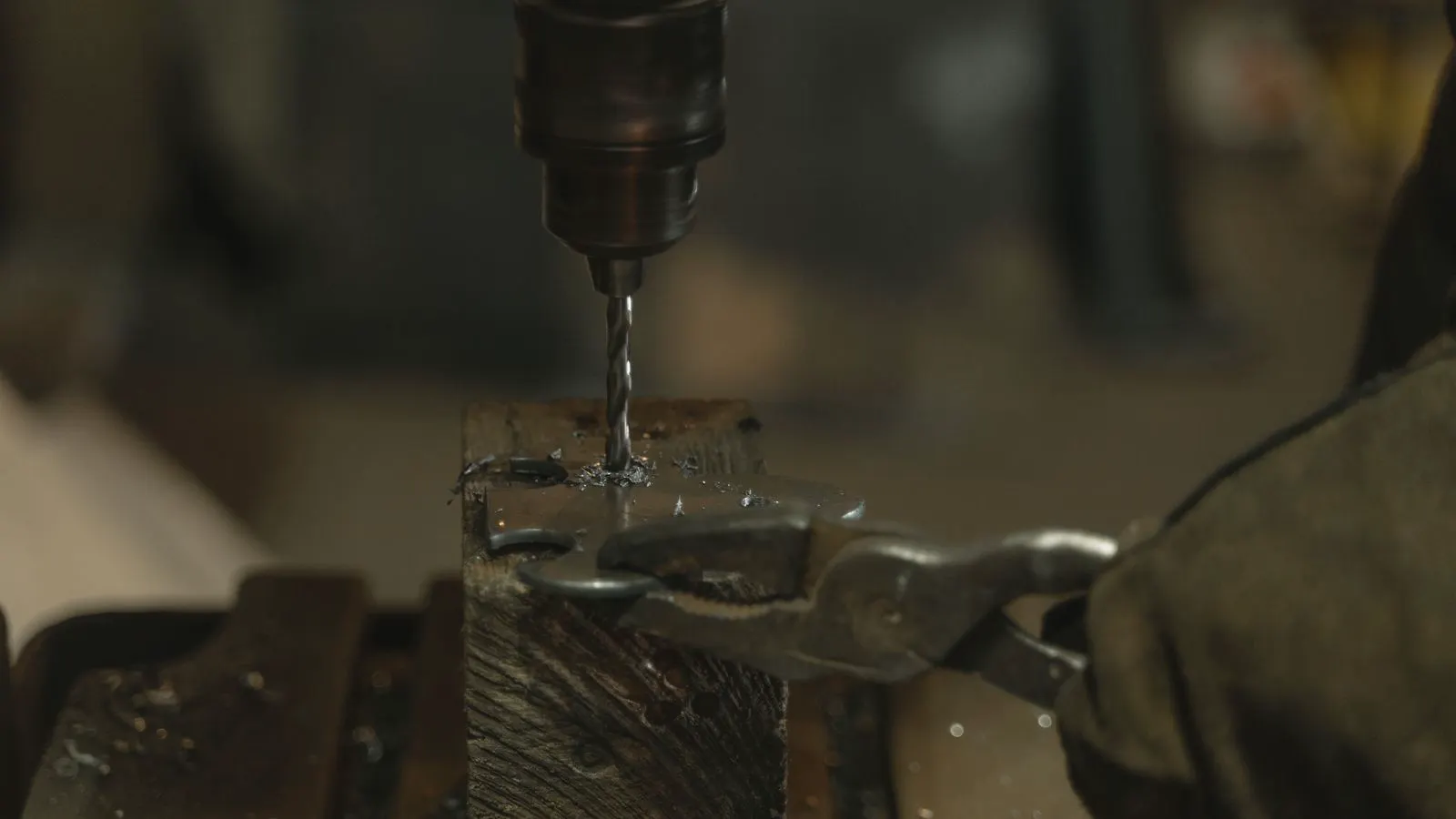
Successful progressive die operation relies on matching specific machine settings to the tool design. Buyers must verify tonnage, stroke length, and speed against the die specifications to prevent damage and ensure part quality.
- Match press tonnage to the die's maximum required force to avoid mechanical failure.
- Stroke length must accommodate the full travel of the die and any transfer mechanisms.
- Cycle speed is limited by the slowest operation in the die, such as a transfer or a heavy draw.
- Buyers should require a setup sheet detailing these exact parameters before production begins.
A progressive die moves the blank through multiple stations in a single press stroke. Each station performs a distinct operation, like piercing, forming, or blanking. The machine must be set up precisely to handle the combined loads and movement of these stations. If the settings are wrong, parts fail or the tool is damaged.
This guide explains the specific press parameters buyers need to understand. It defines the terms, shows how each affects sourcing, and provides a worked example.
What is a Progressive Die
A progressive die is a multi-station tool. It is built into a single die plate. A blank is fed into the first station, undergoes an operation, and then moves to the next station. The material moves in increments. The tool may include transfer mechanisms that move the part between stations. The final station may be a punch that cuts the part loose.
The die is mounted on the press bed. The press ram moves up and down. As the ram descends, punches and dies at each station perform their work in sequence. The tool is designed for one specific sequence of operations. The press parameters must match the mechanical design of the tool.
Key Press Parameters for Buyers
Several machine settings determine whether a progressive die runs smoothly. Buyers often focus on the part quality but overlook the machine interface. The parameters below are the most common points of failure during setup.
Tonnage
Tonnage is the maximum force the press can apply. It is usually measured in tons or kilonewtons. The press tonnage must exceed the maximum force required by the die. This force comes from the heaviest operation in the tool.
If the press tonnage is too low, the ram may bottom out. The die may stick. Parts may have poor quality. If the press tonnage is too high, the tool may operate with too much clearance. This can affect part accuracy.
Buyers should check the tool design documents. The supplier should state the maximum die force. The press spec sheet should state the rated tonnage. These two numbers must align.
Stroke Length
Stroke length is the distance the ram travels from its top position to its bottom position. It is measured in millimeters or inches. The die must fit within the stroke. The stroke must be long enough for the ram to fully retract.
If the stroke is too short, the die may hit the die bed. This can damage the tool. If the stroke is too long, the ram may hit the upper die holder. This can damage the press.
The stroke length also affects the speed of the die. A longer stroke means the ram takes more time to travel. This limits the cycle rate. Buyers must ensure the stroke matches the die design.
Cycle Speed
Cycle speed is the number of parts produced per minute. It is set by the press. The speed is limited by the slowest operation in the die. For example, if a transfer takes longer than a punch, the transfer sets the speed.
If the speed is set too high, the material may not transfer correctly. Parts may jam. The tool may overheat. If the speed is too low, the press is underutilized.
Buyers should ask for the recommended cycle speed from the tool supplier. The press must be capable of running at that speed. The speed is often adjusted during setup to match the material and the part.
Ram Position and Backgauge
Ram position is where the ram stops at the top of its stroke. It must be set so the die is fully engaged. The backgauge is the feed mechanism. It moves the blank into the die.
The backgauge must be synchronized with the ram. If the feed is off, parts will be misaligned. Misaligned parts cause scrap. The ram position and backgauge settings are critical for setup.
Buyers should verify that the press has the correct backgauge type. Some dies require a positive feed. Others can use a drag feed. The press must support the feed type specified in the die design.
How These Parameters Affect Sourcing Decisions
Understanding these parameters changes how buyers source their presses. They do not just buy a machine. They buy a system. The press, the die, and the material must work together.
If a buyer specifies a press without considering the die parameters, they may end up with a machine that cannot run the tool. For example, a press with low tonnage may not be able to run a heavy-gauge die. A press with a short stroke may not fit a tall die.
Buyers should involve the die supplier early. The supplier can provide the required press parameters. The buyer can then select a press that meets those requirements. This prevents costly changes later.
The choice of press also affects lead time. A custom press may take longer to deliver. A standard press may be available sooner. Buyers must balance the need for specific parameters with the need for a quick delivery.
Worked Example in Plain Words
Consider a buyer who needs a progressive die for a metal bracket. The bracket is made from mild steel. The die has five stations. The first station punches holes. The second station forms a bend. The third station punches a second set of holes. The fourth station forms another bend. The fifth station cuts the bracket loose.
The buyer asks the die supplier for the press parameters. The supplier says the maximum force is 50 tons. The stroke length is 150 millimeters. The recommended cycle speed is 60 parts per minute.
The buyer looks at press options. One press offers 80 tons of tonnage. Its stroke is 150 millimeters. Its maximum speed is 80 parts per minute. This press can run the die. The tonnage is higher than required, which is safe. The stroke matches the die. The speed is higher than required, so the press can run the die at 60 per minute.
Another press offers 40 tons of tonnage. It cannot run the die because the force is too high. The buyer rejects this press.
The buyer also checks the backgauge. The die uses a positive feed. The selected press has a positive feed. The setup is compatible. The buyer places the order.
This example shows how the parameters guide the decision. The buyer does not guess. The buyer matches the machine to the tool.
Common Setup Mistakes to Avoid
Even with the right press, setup mistakes can happen. Buyers should be aware of these issues.
-
Ignoring the die height. The die must be mounted at the correct height. If it is too low, the punches may not reach. If it is too high, the ram may not bottom out. The setup sheet should specify the die height.
-
Setting the speed too high. Buyers often want to maximize output. They set the speed to the maximum. This can cause jams. The speed should be set to the recommended level.
-
Not checking the material thickness. The material thickness affects the force required. If the material is thicker than specified, the force may exceed the press capacity. The buyer must confirm the material thickness.
-
Skipping the trial run. Buyers should require a trial run before production. The trial run verifies the settings. It catches issues before they become costly.
-
Failing to document the settings. The settings should be written down. If the operator changes them, the settings should be reset. Documentation prevents confusion.
Conclusion for Buyers
Successful progressive die operation depends on the press parameters. Buyers must match the machine to the tool. Tonnage, stroke, speed, and feed must all align. The die supplier provides the required parameters. The buyer uses these to select the press.
A clear setup sheet is a must. It lists the exact settings. It prevents guesswork. It ensures the tool runs as designed. Buyers who pay attention to these details avoid problems and get quality parts.
The future of progressive dies involves automation and smart stamping. Sensors can monitor the press in real time. They can adjust the speed and tonnage as needed. But the basic parameters remain the same. The machine must be set up correctly.
Buyers should not overlook the setup. It is the foundation of the stamping process. Get the parameters right, and the rest follows.
Frequently asked questions
How do I know if my press is strong enough for a progressive die?
Check the maximum force required by the die. Compare it to the press tonnage. The press tonnage must be higher than the die force.
What happens if the stroke length is wrong?
If the stroke is too short, the die may hit the bed. If it is too long, the ram may hit the holder. Both can damage the tool.
Can I run a die faster than the recommended speed?
You can try, but it is risky. The speed is limited by the slowest operation. Going faster can cause jams and scrap.
Who provides the press parameters for a progressive die?
The die supplier provides the parameters. They design the tool and know the force and movement requirements.
Do I need a trial run before production?
Yes. A trial run verifies the settings. It catches issues early. It is a standard part of the setup process.