Outlook: AI-Driven Predictive Maintenance for Stamping Lines
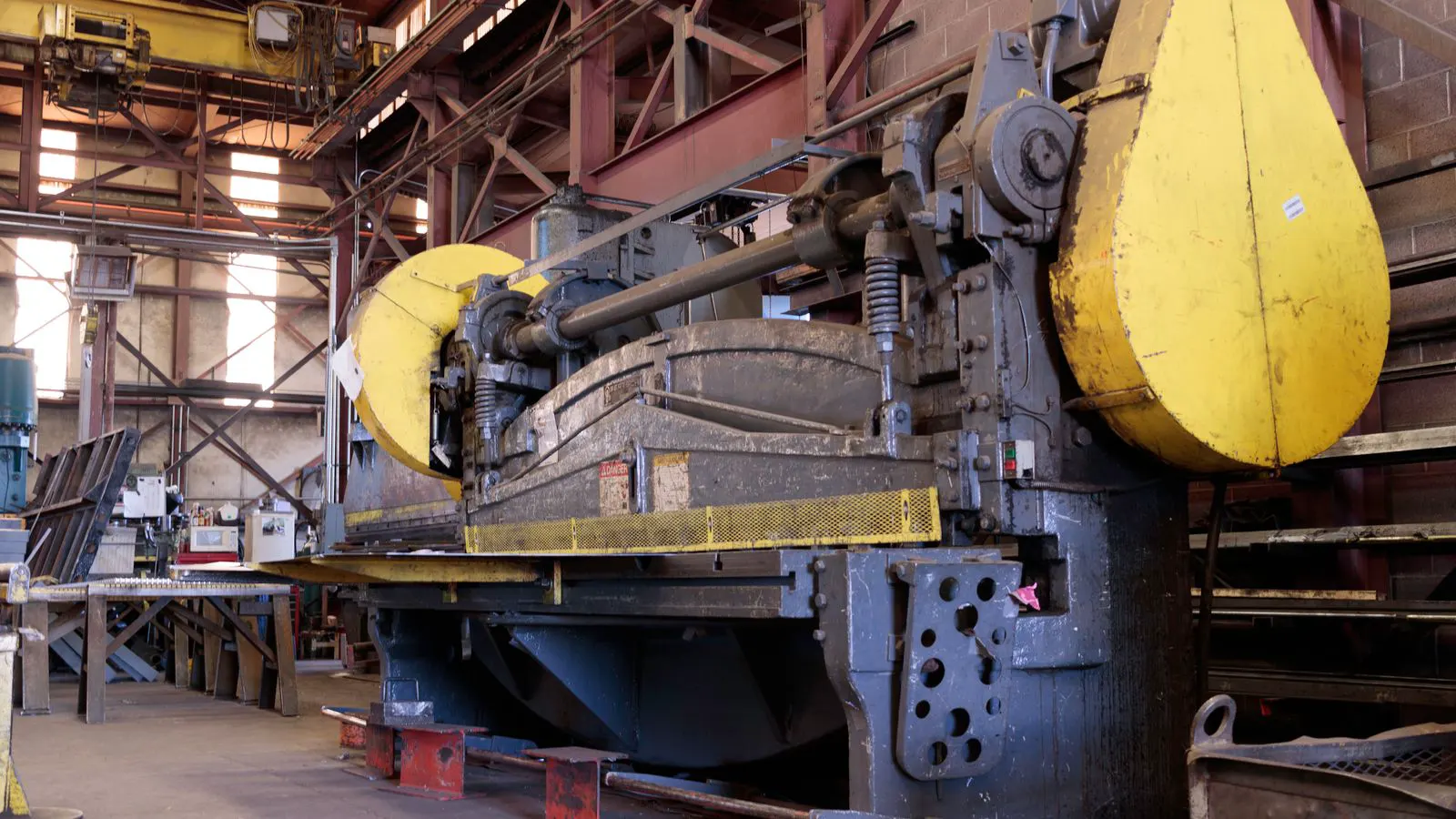
AI-driven predictive maintenance uses sensor data to forecast stamping line failures before they happen. This approach improves quality control and production reliability by shifting from reactive repairs to planned interventions. Buyers should plan for data integration, sensor calibration, and operator training to prepare for these changes.
- AI systems monitor vibration, temperature, and force data to predict tool wear and die misalignment before failures occur.
- Buyers should require suppliers to share maintenance logs and sensor data to verify line health.
- Integrating AI inspection with manual checks creates a stronger quality control layer for stamped parts.
- Preparation involves standardizing data formats and training line operators to trust and act on predictive alerts.
- Production reliability improves when maintenance windows align with natural downtime rather than emergency stops.
How Sensor Data Changes Stamping Maintenance
Stamping lines have historically relied on scheduled maintenance and visual inspection. Operators checked die edges by hand. Mechanics replaced punch tools based on part counts or visible wear. This approach works when production is stable. It fails when a thin sheet material changes or a die shifts slightly out of alignment.
Predictive maintenance changes this model. Sensors mounted on press frames, dies, and tooling capture continuous data. Vibration sensors detect changes in press mechanics. Load cells monitor force curves during each stroke. Temperature sensors track heat buildup in hydraulic systems and tooling.
The raw data is noisy. A small vibration spike may be normal. A consistent change over several thousand cycles is not. AI systems filter this noise. They compare current data against historical baselines. They flag anomalies that human operators would miss during a busy shift.
For buyers, this shifts the question from “how often do we replace dies” to “how closely do we monitor die performance.” The equipment is not just a machine. It is a data source that reflects the condition of the stamping process.
What AI Inspection Adds to Quality Control
AI inspection uses machine vision to check stamped parts as they leave the line. Cameras capture images of each part. Algorithms compare those images against approved samples. The system detects dimensional drift, edge breaks, scratches, and missing features.
This capability complements predictive maintenance. A sensor might warn that a punch is wearing unevenly. AI inspection confirms whether that wear is affecting part geometry. Together, they close the loop between equipment health and part quality.
Manual inspection remains necessary. A CMM check on a sample batch still provides high-accuracy dimensional data. Automated AI inspection handles volume. It catches consistent defects that human eyes might miss after several hours. It does not replace the need for calibrated gauges and structured sampling plans.
Buyers should ask suppliers how AI inspection data is stored and reviewed. Can you access defect logs? Can you see trend reports over time? Can the supplier show you how a specific defect was detected and corrected? These questions determine whether the technology adds value or just adds cost.
Five Shifts Buyers Should Plan For
The move toward AI-driven maintenance is not a single event. It is a series of operational changes. Buyers need to adjust their expectations and requirements accordingly.
-
From Calendar-Based to Condition-Based Scheduling
Maintenance plans will shift from fixed intervals to condition-based triggers. A die replacement might happen at 80 percent of its expected life if sensor data shows wear. It might happen at 95 percent if the tooling is holding up well. This requires flexible production scheduling. -
From Reactive Repairs to Planned Interventions
Emergency downtime will decrease as failures are predicted. However, planned maintenance windows will become more common. Lines will stop for calibration, tooling adjustment, and software updates. Buyers need to build these windows into production forecasts. -
From Visual Checks to Data-Driven Verification
“The part looks fine” will no longer be the final quality check. Buyers will expect documented data. Sensor logs, AI inspection reports, and calibration records will form part of the quality file. This changes how incoming inspection and supplier audits work. -
From Isolated Equipment to Integrated Systems
Stamping presses will not stand alone. They will connect to enterprise resource planning systems, quality management platforms, and maintenance software. This integration requires standard data formats and secure access. Buyers should specify data ownership and access rights in contracts. -
From Technical Expertise to Data Literacy
Line operators will need basic data literacy. They must understand what alerts mean and how to respond. Maintenance technicians will need to interpret trends, not just follow checklists. Training programs will become a standard part of line setup.
How to Prepare for Predictive Maintenance in Stamping
Preparation starts before a new line is installed. Buyers should define data requirements during the design phase. Which parameters matter for the specific part? For a thin sheet part with edge break risk, vibration and force data are critical. For a heavy gauge part, temperature and hydraulic pressure matter more.
Request sample data from potential suppliers. Ask for a representative data set from a similar production run. Review it with your engineering team. Identify what looks normal and what looks like a warning. This exercise builds internal capability and sets realistic expectations.
Standardize your inspection checklist. A generic checklist is not enough. Build a part-specific checklist that includes AI inspection parameters. For example, if the part has a thin flange, define the acceptable deviation in thickness and the maximum allowable scratch length. Link these parameters to the sensor data that monitors the tooling that forms the flange.
Train your team early. Do not wait for the system to be live. Use training modules to show how sensors work. Show how AI inspection flags defects. Walk through a simulated failure scenario. When the system goes live, your team will be ready to act rather than react.
A Practical Comparison of Maintenance Approaches
The table below compares traditional and predictive maintenance approaches. It highlights the differences in planning, data use, and quality outcomes.
| Approach | Maintenance Trigger | Data Used | Quality Control Impact |
|---|---|---|---|
| Scheduled | Fixed time or part count | Minimal, mostly visual | Reactive, relies on sampling |
| Reactive | Failure or visible defect | None during operation | High risk of batch defects |
| Predictive | Condition-based alerts | Vibration, force, temperature, vision | Proactive, links tool health to part quality |
| Hybrid | Scheduled + condition-based | Combined logs and sensor data | Balanced, reduces downtime and risk |
The hybrid approach is common in practice. Many lines keep a scheduled baseline for safety-critical components. They add predictive triggers for tooling and die edges. This balances the reliability of fixed schedules with the efficiency of condition-based adjustments.
What Buyers Should Ask Suppliers
When evaluating a stamping supplier or a new press installation, ask specific questions about predictive maintenance capability.
- What sensors are installed on the press and tooling?
- How often is sensor data sampled and stored?
- What parameters trigger a maintenance alert?
- How is AI inspection integrated with the press control system?
- Can you provide access to defect trends and maintenance logs?
- How do you validate that sensor readings match actual part quality?
- What is the process for calibrating sensors and AI models?
- How do you handle data that indicates a gradual drift rather than a sudden failure?
These questions reveal whether the supplier has a real predictive maintenance program or just a dashboard with a few graphs. A genuine program has defined thresholds, clear ownership, and documented responses to alerts. A superficial one has raw data with no action attached.
Building a Quality Control Plan Around Predictive Data
A quality control plan that ignores predictive data is incomplete. The plan should link equipment monitoring to part acceptance.
Start with the critical to quality characteristics. Identify which features drive customer risk. For a thin sheet bracket, edge quality and bend angle are likely critical. For a structural part, flatness and hole position matter more. Map each critical characteristic to the sensor data that monitors the process creating it.
Define your sampling strategy. AI inspection can check every part. CMM checks can verify a sample. Predictive maintenance data can show tool health. The plan should specify when each method is used and how they cross-validate each other.
Set your escalation thresholds. What level of sensor deviation triggers a line stop? What level of AI defect rate triggers a full audit? What level of CMM drift triggers a die adjustment? These thresholds should be documented and agreed upon with the supplier.
Review the plan regularly. As the line matures, sensor baselines will stabilize. AI models will improve. Your thresholds may need adjustment. A quarterly review with the supplier and your internal quality team keeps the plan relevant.
The goal is not to add more data for data’s sake. The goal is to make quality control proactive. When a sensor flags a trend and AI inspection confirms a defect, you can fix the root cause before the next batch is produced. That is the value of predictive maintenance. It turns quality control from a detection function into a prevention function.
Preparing for the Long Term
The technology will continue to improve. Models will get better at distinguishing normal variation from real problems. Sensors will become cheaper and easier to install. Integration between systems will become more standard.
Buyers should avoid over-investing in any single tool. The value is in the system, not the component. A press with excellent sensors but no data access is useless. An AI inspection system with no link to maintenance data misses half its potential.
Focus on interoperability. Ensure your data can move between your ERP, your quality management system, and the supplier’s platform. Use open standards where possible. Avoid lock-in to a single proprietary system.
Keep human judgment in the loop. AI is good at pattern recognition. It is not good at understanding context. A sensor alert might be real. It might be a false positive. It might be a symptom of a broader issue. Human review is needed to decide the right action.
The shift is already happening. Stamping lines that use predictive maintenance are reducing unplanned downtime. They are catching defects earlier. They are building better quality records. Buyers who prepare now will have a clearer view of their suppliers’ capabilities. They will make better decisions about contract terms, quality requirements, and production planning. The lines that treat data as a byproduct will fall behind. The lines that treat data as a core quality control tool will lead.
Frequently asked questions
What is the main difference between predictive maintenance and traditional scheduled maintenance?
Predictive maintenance uses real-time sensor data to adjust maintenance timing based on actual equipment condition. Traditional maintenance follows a fixed calendar or part count regardless of actual wear.
How does AI inspection support predictive maintenance?
AI inspection confirms whether equipment changes are affecting part quality. It links sensor data to actual defects, creating a closed feedback loop between tooling health and part acceptance.
What data should buyers require from a stamping supplier?
Buyers should require sensor logs, AI inspection defect reports, calibration records, and maintenance action logs. These documents verify that the line is being monitored and maintained properly.
Can AI inspection replace manual inspection and CMM checks?
No. AI inspection handles high-volume defect detection. CMM checks provide high-accuracy dimensional verification. Manual checks remain useful for final spot checks and special cases.
How should buyers prepare for AI-driven maintenance in new contracts?
Specify data access, sensor requirements, and maintenance alert processes in the contract. Train internal staff on data interpretation before the line goes live. Define escalation thresholds clearly.