Explainer: How Sheet Coating Affects Stamping Formability
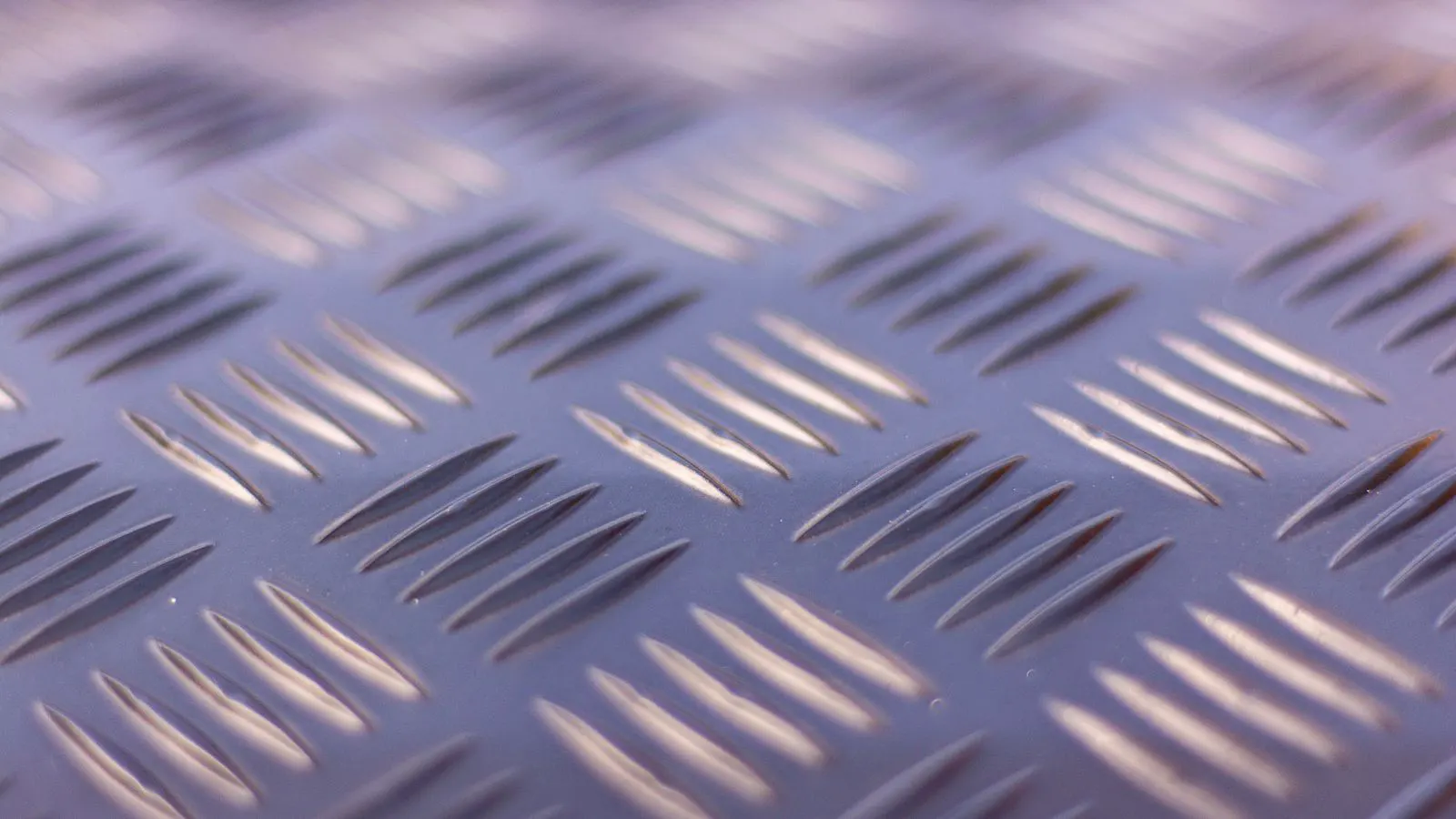
Surface coatings change the friction and strength of sheet metal. The right choice protects punch life and part finish, while the wrong one causes cracking. Buyers must specify the coating to match the part's required depth and surface quality.
- Coating type dictates friction, strength, and surface finish during stamping.
- High-tensile coated steels require careful control of drawing depth and lubrication.
- Specify coating grade, thickness, and surface condition in every RFQ.
- Verify the supplier's handling and storage practices to prevent surface damage.
- Use the right coating for the part function, not just the cheapest available option.
Coated steel is the standard material for most automotive, appliance, and hardware stamping jobs. The metal arrives at the factory as a flat sheet with a protective layer already applied. That layer is not just a cosmetic finish. It changes the way the metal bends, stretches, and reacts to the punch and die.
A buyer specifying a part without understanding the coating is guessing. The coating determines whether a part can be deeply drawn, how much springback to expect, and whether the surface will show scratches or orange peel. This explainer covers the core properties of sheet coating formability and how they shape sourcing decisions.
What Is Sheet Coating Formability
Sheet coating formability describes how a coated metal sheet behaves when it is bent, drawn, or formed in a press. The coating is a thin layer applied to the base steel. Common types include galvanizing, electroplating, and organic lacquers. Each coating adds a specific combination of strength, ductility, and surface properties.
The formability of the coated sheet depends on two things. First, the mechanical properties of the base steel. Second, the bond between the coating and the steel. If the coating is too brittle, it cracks during deep drawing. If it is too soft, it may smear or peel at the punch edge.
For a stamped part, the coating is not just a finish. It is a structural element. It affects how the metal flows through the die. It changes the friction between the sheet and the tooling. It determines whether the final part needs a secondary finish or if it is ready to ship.
How Coating Type Affects Drawing and Bending
Different coatings react differently to the forces of stamping. Galvanized steel, for example, is strong and corrosion-resistant but can be brittle on the coating side. If you draw a deep cup from galvanized sheet, the coating may crack at the bottom of the cup. The metal itself holds, but the surface fails.
Electroplated steels, such as nickel or zinc plating, usually have better ductility. They can often be drawn deeper before the coating breaks. However, the plating layer is very thin. It may not offer the same long-term corrosion resistance as a thicker galvanized coat.
Organic coatings, like painted or lacquered sheets, are the most flexible. They are often used for parts that need a visible finish. The coating stretches with the metal. The risk here is not cracking but hiding defects. A scratch in the lacquer may not show until the part is inspected under bright light.
The choice of coating must match the part geometry. A shallow bend may work with a brittle coating. A deep draw requires a ductile coating. The buyer must state the required drawing depth in the drawing. The supplier then selects the coating that can survive that operation.
How Surface Treatment Changes Part Quality
Surface treatment refers to the condition of the metal surface before stamping. This includes the coating, but also the base metal finish. A smooth, fine-grain sheet produces a smooth part. A rougher sheet may show texture in the final part.
The coating also affects the part’s surface finish. A thick coating may leave a slight texture. A thin coating may allow the die surface to show through. The buyer must specify the acceptable surface quality. This is often done with a finish code or a sample.
Coating thickness matters. A very thin coating may not protect against handling scratches. A very thick coating may increase the part’s weight and affect fit. The coating thickness is part of the material specification. It must be stated clearly.
| Coating Type | Typical Use | Drawing Limit | Surface Finish Risk |
|---|---|---|---|
| Galvanized | Structural, corrosion resistance | Moderate | Cracking at draw bottoms |
| Electroplated | Electrical, cosmetic | Higher | Smearing at punch edges |
| Organic/Lacquered | Visible parts, appliances | High | Hiding of surface defects |
| Bare Steel | Internal, painted later | Variable | Oxidation, handling scratches |
Impact on Tooling and Punch Life
The coating changes how the metal interacts with the punch and die. A rough coating increases friction. Higher friction means more heat. More heat means faster wear on the punch edges. The punch may need to be ground more often.
The coating also affects the die surface. Some coatings, especially thick organic ones, can stick to the die. This causes sticking and tearing at the part edge. The supplier must use the right release agent. The buyer should not assume the supplier has the right release for a specific coating.
Punch life is a cost driver. If the coating causes rapid punch wear, the supplier’s tooling maintenance cost goes up. This cost is passed to the buyer. The buyer must ask about expected tooling life based on the coating. A supplier that uses a coating with high friction must have a plan for maintaining the tooling.
The coating also affects the springback of the metal. Springback is the metal springing back after the punch is released. A coated steel with high tensile strength has more springback. The die must be designed with more clearance. If the buyer does not specify the coating, the die may be designed for bare steel and the parts may not fit.
How Coating Affects Sourcing and Supplier Qualification
When you request a quote, you must specify the coating. Saying “coated steel” is not enough. You must state the type, the thickness, and the surface condition. The supplier must confirm they have the material on hand.
The supplier’s storage practices matter. Coated steel is sensitive to moisture and handling. If the coating is stored in a humid environment, it may start to corrode. The buyer should ask about the supplier’s storage conditions. A reputable supplier keeps coated sheets in a controlled environment.
The supplier must also have the right equipment. Some coatings require specific press lines. A thick coating may need a press with higher tonnage to push the metal through the die. A thin coating may work on a standard press. The buyer should verify the supplier’s press capacity for the specific coating and part thickness.
Verification is not just about the material. It is about the process. The supplier must show they have handled the specific coating before. If they have not, they need to run trials. The buyer should require trial parts before full production. The trial parts should be inspected for coating cracks, scratches, and surface finish.
Worked Example: Deep Drawing a Cup
Consider a simple example. A buyer needs a metal cup for a small appliance. The part is 30 millimeters deep. The buyer wants a smooth surface that will be visible to the end user. The buyer also wants corrosion resistance.
The buyer specifies a steel sheet with an organic coating. The coating is chosen because it is ductile. It will not crack at the bottom of the cup. The coating thickness is specified to be thin enough to allow a smooth finish. The buyer asks the supplier to provide a sample cup.
The supplier runs a trial. The cup is drawn in a press. The coating stretches without breaking. The surface is smooth. The buyer inspects the cup under light. No scratches are found. The buyer approves the sample.
The supplier then produces the part. The coating is handled properly. The parts ship with a clean surface. The buyer receives a consistent part. The coating choice was critical. If the buyer had chosen a brittle coating, the cups would have cracked. The part would have failed.
How to Specify the Coating in Your RFQ
The request for quotation must be precise. State the material grade. State the coating type. State the coating thickness. State the surface finish requirement. State the drawing depth.
Use the supplier’s standard material list if available. This avoids confusion. If the supplier does not have the coating, they must state so. They may suggest an alternative. The buyer must evaluate the alternative.
The specification should include the acceptance criteria. What is the maximum scratch length? What is the maximum orange peel height? What is the acceptable coating thickness after stamping? These details prevent disputes later.
The buyer should not assume the supplier knows the coating. The buyer owns the specification. The supplier executes it. The clearer the specification, the fewer the errors. The fewer the errors, the lower the scrap rate.
The coating is not a minor detail. It is a major factor in part quality. It affects formability, tooling life, and final appearance. The buyer must treat it as a core part of the design. The supplier must treat it as a core part of the process.
When the coating is specified correctly, the part comes out right. When it is ignored, the part fails. The choice is simple. Know the coating. Specify it. Verify it.
Frequently asked questions
Can I use bare steel for a part that will be painted later?
Yes, bare steel is often used for internal parts that will receive a secondary paint finish. The buyer must specify the steel grade and ensure the coating is not required for corrosion resistance during storage.
How does coating thickness affect part weight?
Coating thickness adds a small amount of weight to the part. For high-volume production, this weight difference may be negligible. For lightweight applications, the coating thickness must be calculated and specified.
What happens if the coating cracks during deep drawing?
Cracked coating exposes the base steel to the environment. This can lead to corrosion. The part may fail inspection. The buyer should reject the part and ask the supplier to review the coating choice.
Do I need to specify the coating in the drawing?
Yes, the drawing must state the coating type, thickness, and surface condition. This is part of the material specification. Without it, the supplier may choose a coating that does not meet the part requirements.
How do I verify the supplier's coating handling practices?
Ask the supplier for their material handling procedures. Request a sample of the stored material. Inspect it for moisture damage or scratches. A reputable supplier will provide this information without hesitation.