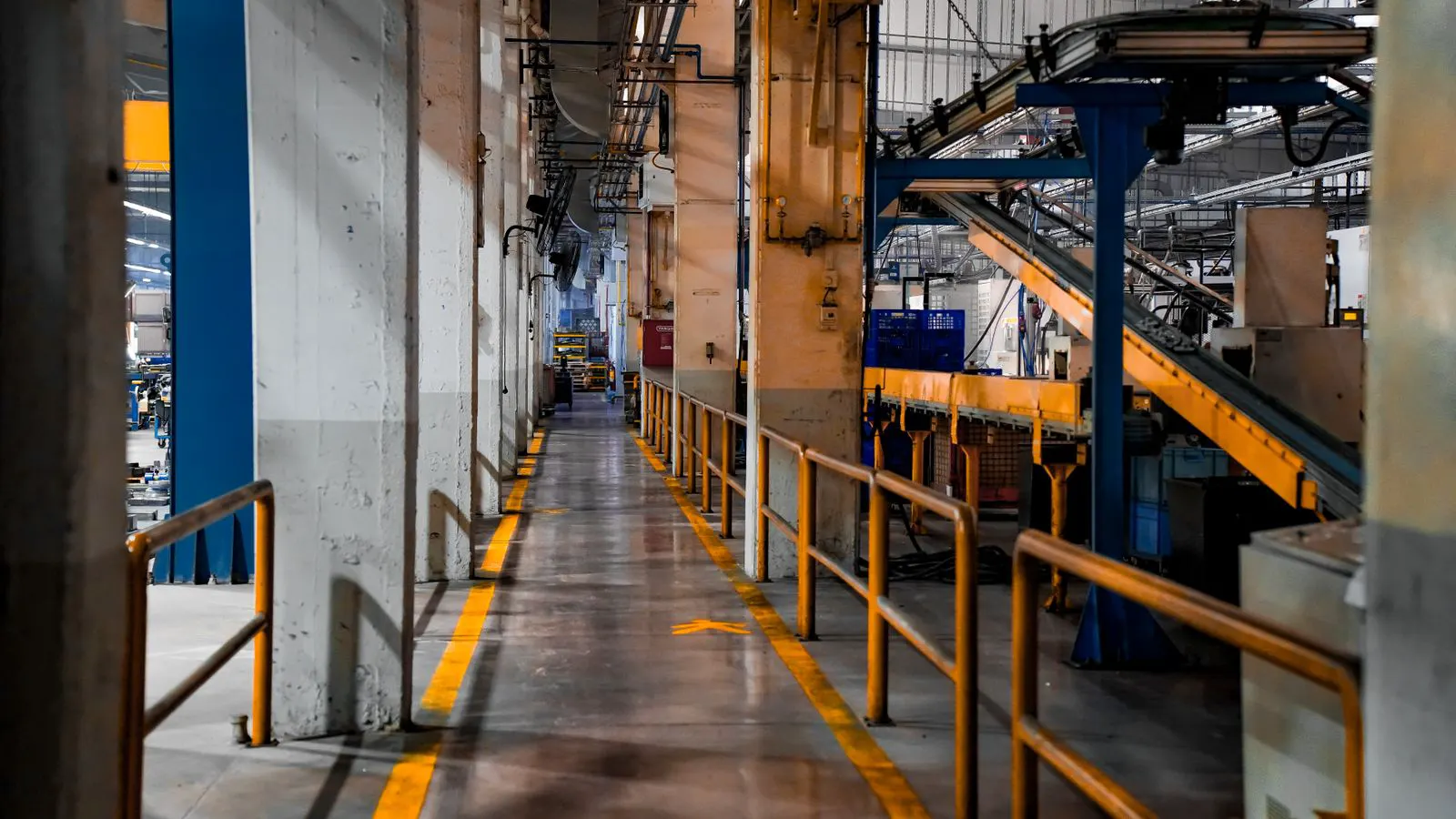
The Future of Stamping: Supplier Trends to Watch

Stamping suppliers are shifting toward automation, digital integration, and sustainable practices. Buyers should evaluate these changes to future-proof their supply chain, reduce risk, and secure consistent quality. Planning for these trends requires active supplier engagement and clear evaluation criteria.
- Automation and digital integration are reshaping how stamping suppliers operate, affecting lead times and quality control.
- Sustainability pressures are driving changes in material sourcing and production methods across the supply chain.
- Buyers must evaluate suppliers based on their technology roadmap and capacity to meet emerging standards.
- Proactive communication with suppliers helps manage transition risks and ensures alignment on future requirements.
- Quality and cost stability depend on choosing suppliers who invest in both people and process improvements.
Why Stamping Suppliers Are Changing Now
The metal stamping industry is undergoing structural shifts that extend beyond simple equipment upgrades. Suppliers are responding to demand for tighter tolerances, shorter lead times, and greater transparency. Buyers who remain passive risk finding themselves locked into outdated processes or facing quality issues as standards evolve.
The core of these changes is a move toward smarter, more connected production. Stamping is no longer just about pressing metal into shape. It is about managing data, materials, and energy as carefully as the part geometry itself. This shift affects how suppliers design their operations, how they price jobs, and how they handle quality.
Understanding these trends allows procurement teams to make better decisions. Instead of reacting to a supplier’s new capability or a sudden price increase, buyers can plan. The goal is to identify shifts that matter and prepare for them before they become urgent.
How Automation Is Reshaping Press Rooms
Automation is the most visible change in modern stamping. Press rooms are adding robotic handling, automated feeding, and in-line inspection systems. These tools reduce manual labor and improve cycle consistency. For a buyer, this means fewer defects related to operator error and more predictable output.
The impact goes deeper than speed. Automated systems capture data at every station. A press can now record force, stroke, and part weight in real time. This data feeds into quality reports and process control. Buyers who require traceability or advanced quality documentation will find it easier to obtain from suppliers with these systems.
However, automation also changes the supplier’s cost structure. High-capacity presses and robots require significant capital. Suppliers may pass some of this cost into pricing, or they may use it to take on larger, more complex jobs. When evaluating a supplier, ask how their automation affects their minimum order quantities and lead times. A highly automated line may be faster for high-volume runs but slower to change over for low-volume prototypes.
Another consideration is the skill mix. Automated plants still need skilled technicians to monitor systems and handle exceptions. A supplier that automates but does not invest in training may see higher downtime. During supplier audits, observe how operators interact with the machines. Look for clear procedures, not just automated hardware.
Digital Integration and Data Transparency
Digital integration is the second major shift. Suppliers are adopting systems that connect production data to business processes. This includes digital work instructions, automated quality records, and supplier portals. The result is greater visibility for buyers.
For procurement teams, this changes the evaluation process. Instead of relying solely on periodic audits, buyers can monitor performance continuously. A supplier with a good digital system can share real-time production status, quality metrics, and defect reports. This reduces the need for frequent site visits and speeds up problem resolution.
When selecting a supplier, ask about their digital capabilities. Do they use a system for part traceability? Can they provide electronic certificates of compliance? How do they handle engineering changes? A supplier with strong digital integration is better positioned to manage complex programs and respond quickly to changes in specifications.
This trend also affects cost and lead time. Digital tools reduce administrative errors and speed up communication. A supplier that handles electronic drawings and change orders efficiently can avoid delays caused by misinterpretation or missing revisions. Buyers should prioritize suppliers who make digital workflows part of their standard process, not an afterthought.
Sustainability and Material Efficiency
Sustainability is moving from a marketing term to a production requirement. Buyers in automotive, aerospace, and consumer electronics are demanding more sustainable supply chains. Stamping suppliers are responding by improving material efficiency and reducing waste.
One key area is die design. Modern die design aims to maximize material utilization, reducing scrap and lowering material costs. Suppliers are using simulation and data to optimize part nesting and layout. This not only reduces waste but also improves die life. For buyers, this means lower long-term costs and a more stable supply of material.
Energy consumption is another focus. Stamping presses and auxiliary equipment consume significant power. Suppliers are investing in efficient presses and energy management systems. Some are exploring renewable energy options. While the immediate impact on part cost may be small, it affects the supplier’s long-term resilience and regulatory compliance.
Buyers should ask suppliers about their sustainability practices. What is their scrap rate? How do they manage material sourcing? Do they have a plan for reducing energy use? These questions help identify suppliers who are proactive rather than reactive. They also align with the broader industry trend toward responsible manufacturing.
Workforce and Skill Development
The workforce is a critical part of the stamping industry. As technology becomes more complex, suppliers need skilled operators, maintenance technicians, and process engineers. The industry faces a shortage of experienced workers, particularly in specialized areas like die making and advanced press operation.
Suppliers are investing in training programs to address this gap. Some partner with technical schools to develop pipelines of skilled workers. Others focus on cross-training their existing staff to handle multiple roles. This reduces dependency on any single person and improves plant resilience.
For buyers, workforce stability is a risk factor. A supplier with high turnover may struggle to maintain quality and meet deadlines. During evaluations, ask about training programs and retention rates. Look for signs of investment in people, not just equipment. A supplier that values its workforce is more likely to maintain consistent quality and respond well to problems.
This shift also affects lead times. A well-trained team can handle changes more efficiently and reduce downtime. When a supplier invests in its people, the benefits show in production reliability. Buyers should view workforce development as a key part of supplier capability, alongside technology and financial stability.
Market Consolidation and Specialization
The market is seeing a trend toward consolidation and specialization. Some suppliers are acquiring smaller companies to expand capacity or enter new markets. Others are focusing on specific industries or part types to build deep expertise.
For buyers, this changes the supplier landscape. A smaller, specialized supplier may offer better technical support and flexibility for complex parts. A larger, consolidated supplier may offer greater capacity and a wider range of services. The right choice depends on the part’s requirements and the buyer’s volume.
Specialization also affects quality. A supplier that focuses on a specific application, such as aerospace brackets or automotive brackets, will have deeper process knowledge. They may have optimized dies, processes, and quality controls for that application. Buyers should evaluate suppliers based on their relevant experience, not just their general capabilities.
Market consolidation can also lead to improved technology access. Larger suppliers may invest in advanced presses, automation, and digital systems that smaller suppliers cannot afford. However, it may also lead to reduced flexibility for low-volume jobs. Buyers need to balance the benefits of scale with the need for agility.
How to Prepare for These Stamping Industry Trends
Preparing for these trends requires a structured approach. Buyers should update their supplier evaluation criteria to include technology, sustainability, and workforce practices. This means looking beyond cost and lead time to assess long-term capability.
Start by mapping your current supplier base. Identify which suppliers are investing in automation, digital tools, and sustainability. Talk to them about their plans. Ask how they are preparing for changing regulations and customer requirements. This dialogue helps build stronger relationships and surfaces risks early.
Next, review your part specifications. Are they aligned with modern manufacturing capabilities? Can they be adjusted to improve material efficiency or simplify die design? Working with suppliers early can lead to better parts and lower costs.
Finally, develop a risk management plan. Identify suppliers who are vulnerable to market changes or workforce shortages. Have backup plans for critical parts. Build relationships with multiple suppliers to ensure continuity.
The stamping industry is moving toward smarter, more connected, and more sustainable production. Suppliers who embrace these changes will offer better value and reliability. Buyers who plan ahead will be in a stronger position to secure consistent quality, manage costs, and meet future demands.
Key Questions to Ask Suppliers
When evaluating suppliers, ask these questions to understand their readiness for industry shifts:
- What automation and digital systems are you using or planning to adopt?
- How do you manage material efficiency and reduce scrap?
- What training programs do you have for your workforce?
- How do you handle sustainability requirements from customers?
- What is your strategy for managing market changes and workforce shortages?
These questions help reveal a supplier’s maturity and commitment to improvement. They also provide a baseline for comparison across different suppliers.
Final Considerations for Buyers
The future of stamping is shaped by technology, sustainability, and workforce development. Buyers who understand these trends can make better decisions and build stronger supplier relationships. The goal is not to adopt every new technology, but to choose suppliers who are prepared for the changes that matter.
By focusing on supplier capability, data transparency, and workforce stability, buyers can future-proof their supply chains. This approach reduces risk and improves quality over time. It also creates a foundation for long-term partnership with suppliers who are committed to continuous improvement.
The stamping industry is not just changing. It is becoming more efficient, more transparent, and more responsive to market needs. Buyers who keep pace with these shifts will be better positioned to meet their own goals.
Frequently asked questions
How does automation affect stamping supplier costs?
Automation can increase capital costs, which may affect pricing. However, it often reduces labor costs and improves efficiency, potentially leading to lower long-term costs for high-volume jobs.
What digital capabilities should buyers look for in a supplier?
Look for systems that provide real-time production data, electronic quality reports, and efficient handling of engineering changes. These capabilities improve transparency and speed up problem resolution.
How does sustainability impact stamping production?
Sustainability drives improvements in material efficiency, die design, and energy use. These changes can reduce waste and lower costs over time, while also meeting customer and regulatory requirements.
Why is workforce development important for stamping suppliers?
Skilled workers are essential for operating complex equipment and maintaining quality. Suppliers with strong training programs are more resilient and better able to handle changes and problems.
How can buyers prepare for market consolidation in stamping?
Buyers should evaluate suppliers based on their specialization and capacity. Having multiple suppliers and clear contracts helps manage risks associated with consolidation and market changes.