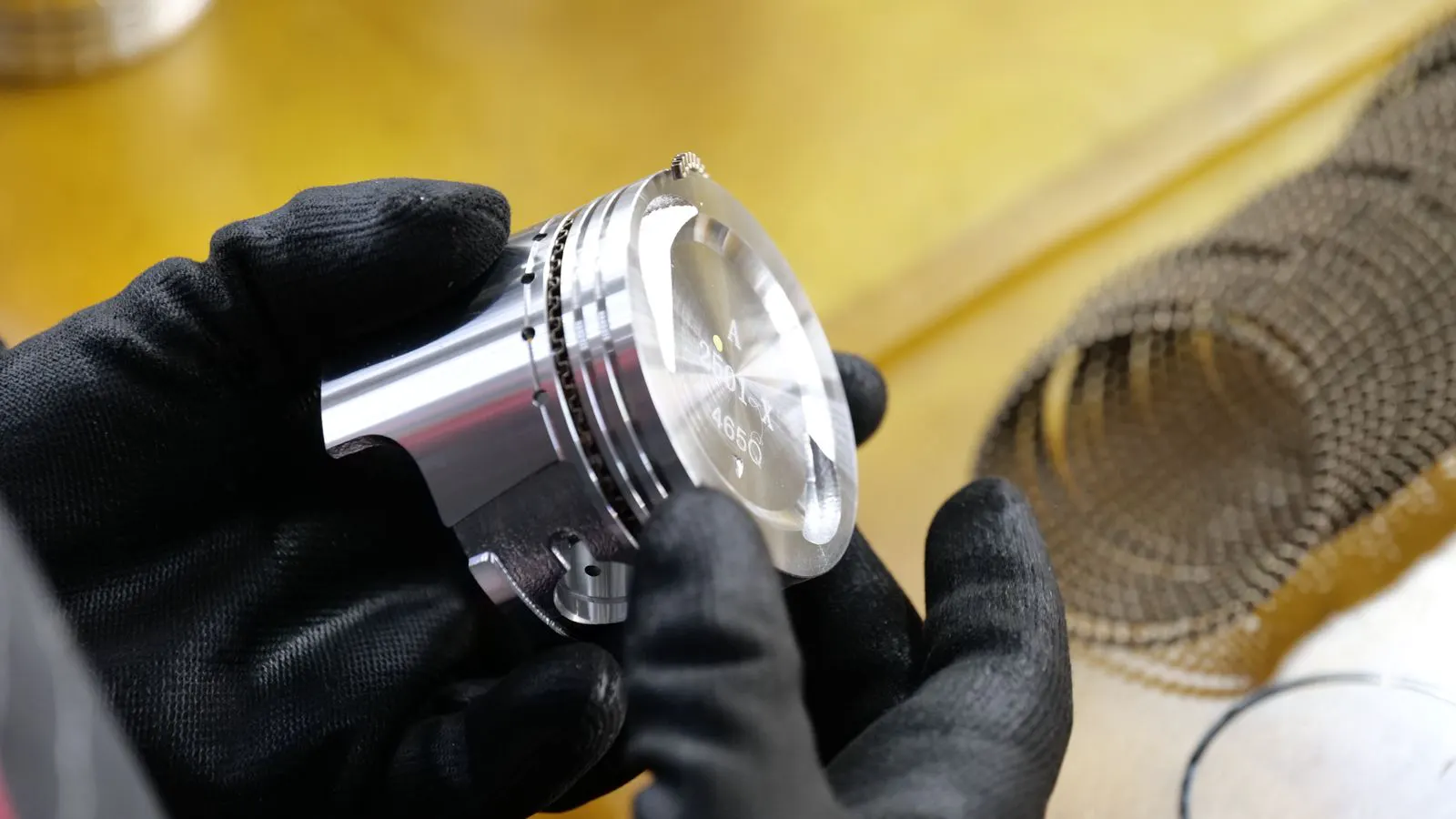
Outlook: Smart Die Monitoring for Extending Tooling Life
Smart die monitoring extends die life by detecting wear early and adjusting pressure. It reduces tooling cost and production cost by preventing scrap, rework, and unplanned downtime.
- Smart die monitoring detects pressure and force anomalies before a die reaches failure.
- Early intervention extends die life and lowers total tooling cost over the production run.
- Buyers should plan for five operational shifts, including data integration, calibration, and response protocols.
- Monitoring systems work best when paired with documented maintenance and clear ownership.
Why Pressure Data Extends Die Life
Stamping dies wear unevenly. A punch may strip on one edge before the full face shows damage. A stripper plate may loosen a fraction of a millimeter, increasing force on the forming area. Traditional inspection catches these issues after they create visible defects. Smart die monitoring watches force, pressure, and cycle data in real time. It flags the moment a stroke deviates from its baseline.
The practical benefit is direct. When a pressure spike appears, the operator can pause the press, inspect the area, and correct it before a full batch of parts becomes scrap. This prevents the die from running through thousands of bad cycles. Each avoided cycle preserves the tooling and lowers the production cost per good part.
For a buyer managing a long production run, the difference is visible in maintenance logs. Instead of replacing a die at a fixed interval, the team replaces or repairs it when the data shows the actual wear point. This shifts tooling cost from a predictable amortization schedule to a condition-based model. The die works longer than the calendar assumed.
What Data Actually Matters in a Monitoring Setup
Not every sensor reading has value. The most useful data points for die life are stroke force, tonnage, cycle time, and part presence confirmation. Stroke force shows how much resistance the material meets during the forming or cutting phase. A gradual increase usually indicates material hardening or die surface degradation. A sudden jump points to a mechanical issue, such as a stuck stripper or a damaged punch.
Tonnage data confirms the press is delivering the expected energy. If the press is underperforming, the die sees less effective force, which can cause incomplete forming even if the die itself is fine. Cycle time changes reveal friction or binding. Part presence confirmation verifies that a finished part left the die area. If a cycle runs but no part is detected, the next cycle may be a double-hit or a misfeed.
Buyers should resist the urge to collect every possible signal. A monitoring system that tracks too many low-value inputs creates noise. The core value lies in the four signals above, plus any specific anomaly the die design creates. For a progressive die, the order of operations matters, and each station may need its own threshold.
Five Operational Shifts Buyers Should Plan For
Adopting smart die monitoring changes how a stamping operation runs. The change is not just technical. It shifts responsibility, documentation, and decision-making. Buyers should plan for five specific shifts.
- From calendar maintenance to condition-based maintenance. The die no longer follows a fixed replacement schedule. The team follows the data. This requires trust in the system and a clear rule for when a threshold means action.
- From reactive repair to preventive correction. A small pressure drift becomes a scheduled adjustment, not an emergency fix. The shop floor must be ready to stop the press and perform minor work without derailing the whole line.
- From single-operator judgment to data-informed judgment. The operator still has final say, but the decision now rests on a graph, not memory. Training shifts from experience-based to data-interpretation based.
- From isolated tooling records to connected production records. Die data now links to part numbers, batch numbers, and quality logs. The buyer needs a way to trace a pressure event to a specific production run.
- From vendor-managed tooling to shared accountability. If the die is supplied by a tooling house, the monitoring data becomes part of the relationship. The buyer and vendor must agree on who acts when the data changes.
These shifts are not optional. They define whether the monitoring system pays for itself or sits as a dashboard nobody reads.
How Monitoring Reduces Tooling Cost and Production Cost
Tooling cost is not just the purchase price of the die. It includes setup, maintenance, repair, replacement, and the cost of downtime. Smart die monitoring attacks each of these.
Repair cost drops because minor wear is caught early. A punch edge that is slightly chipped can be dressed. A die face that is slightly scored can be polished. These fixes take hours. A full replacement takes days. The condition-based approach keeps the tool in service for its maximum useful life.
Production cost drops because scrap and rework fall. A die that is running slightly out of tolerance produces parts that may pass initial visual checks but fail later in assembly. By catching the drift before it produces bad parts, the monitoring system prevents the downstream cost of rework. It also prevents the cost of shipping bad parts to a customer and recalling them.
Downtime cost is often the largest hidden factor. An unmonitored die failure stops the line. The team must diagnose the issue, source parts, and restart. A monitored die failure is often a known issue. The team may even have the repair parts staged because the trend was visible for several days. The downtime is shorter, and the production plan is easier to protect.
The table below summarizes the cost levers. It shows where the savings appear and what changes are needed to capture them.
| Cost Lever | How Monitoring Helps | Change Required |
|---|---|---|
| Die replacement | Extends life by preventing overuse | Condition-based replacement rules |
| Repair | Catches minor wear before major failure | Skilled maintenance on shift |
| Scrap | Detects forming or cutting drift early | Clear action thresholds |
| Downtime | Shortens diagnosis and repair time | Pre-staged critical parts |
| Quality rework | Prevents bad parts from reaching assembly | Integration with quality logs |
The table is not a promise of specific savings. It is a map of where the money is. The buyer must design the system to hit each of these levers.
Preparing the Shop Floor for Smart Monitoring
A monitoring system is only as good as the people who use it. The shop floor must be ready before the first sensor is installed.
First, assign clear ownership. Someone must be responsible for the monitoring dashboard. It should not be a shared duty across multiple operators. One person owns the data, reviews alerts, and logs actions. Without a single owner, alerts get ignored or handled inconsistently.
Second, define the action levels. What does a yellow alert mean? What does a red alert mean? A yellow alert might trigger a visual check of the die area. A red alert might trigger a press stop and a full inspection. These levels must be written down and posted near the press. They must be reviewed with the operators during training.
Third, prepare the maintenance workflow. If the data shows a punch is wearing, the maintenance team must know how to dress it. If a stripper is loose, they must know how to adjust it. The workflow should include the parts list, the tools needed, and the expected time. When the data triggers an action, the team should be able to execute it without searching for information.
Fourth, integrate the data into the production system. The monitoring screen should not be separate from the shop floor display. The operator should see the die status alongside the production count. If the die is in a warning state, the operator should know before the next part is formed.
Fifth, document the baseline. Every die has a normal operating range. The monitoring system must learn that range. The baseline should be recorded in a document that links the die number to its pressure and force values. When a new die is installed, the baseline is set. When a die is repaired, the baseline may need to be updated. This documentation is what allows the system to tell the difference between a die problem and a material problem.
A Practical Checklist Before Implementation
Before buying or installing a smart die monitoring system, the buyer should complete a short checklist. This ensures the investment supports actual die life and cost reduction.
- Confirm the press supports data output. Older presses may need an external sensor or a retrofit interface.
- Identify the critical stations on the die. Not every station needs monitoring. Focus on the forming and cutting stations where wear most affects part quality.
- Define the response protocol. Who gets the alert, what action they take, and how long it should take.
- Train the operators on the dashboard. They must understand the basic signals and the action levels.
- Agree with the tooling vendor on data access. If the die is supplied externally, the vendor may need access to the baseline and wear data for warranty or repair support.
- Plan for the first three months. The system will need tuning. Expect to adjust thresholds as the die stabilizes and as material variations appear.
This checklist is not a formality. It is the difference between a system that extends die life and a system that collects data nobody acts on.
Common Mistakes That Waste the Investment
Buyers often make mistakes that limit the value of smart die monitoring. These mistakes are usually avoidable with clear planning.
The first mistake is treating the system as a black box. If the operator does not understand why an alert fired, they will ignore it. The dashboard must be simple enough to read at a glance. The alert message must explain what changed and what to check.
The second mistake is not updating the baseline. If a die is repaired or a material change occurs, the baseline must be refreshed. If it is not, the system will generate false alerts or miss real problems. The baseline is a living document, not a one-time setup.
The third mistake is ignoring the maintenance side. The data tells you what is wrong. The shop floor must be able to fix it. If the maintenance team is not prepared, the alert becomes a nuisance instead of a useful signal.
The fourth mistake is not linking the data to the part. If a pressure event occurs during a batch, that batch should be flagged for extra inspection. The monitoring system should be able to tag the affected cycles and parts. Without this link, the data is useful for the die but not for the customer.
Final Considerations for Long Production Runs
For a buyer managing a long production run, smart die monitoring is not a luxury. It is a tooling management strategy. It shifts the focus from replacing the die on a schedule to keeping it in the best possible condition for the full run.
The five operational shifts are the core of the plan. Calendar maintenance becomes condition-based. Reactive repair becomes preventive. Operator judgment becomes data-informed. Isolated records become connected logs. Vendor-managed tooling becomes shared accountability.
The cost levers are the payoff. Extended die life, lower repair cost, less scrap, shorter downtime, and fewer quality reworks. The table above shows where these levers sit. The checklist above shows how to prepare.
The buyer who plans for these shifts and prepares the shop floor will see die life extend in a practical, measurable way. The system works because the people behind it know what to do when the data changes. That is the real difference. It is not the sensor. It is the response.
Frequently asked questions
Does smart die monitoring replace regular die inspection?
No. It supplements inspection by catching drift between scheduled checks. Regular inspection is still needed for full die assessment and wear verification.
What happens if the monitoring system gives false alerts?
False alerts erode trust. The buyer should tune thresholds during a stable period and review the alert history with the operators to reduce noise.
Can monitoring be added to an existing press?
In many cases, yes. External sensors or retrofit interfaces can capture force and pressure data on older presses. The buyer should confirm compatibility before purchase.
How does monitoring affect the tooling vendor relationship?
It creates a shared data record. The vendor can see wear trends and support repairs or warranty claims with specific data, not just a description of a problem.
What is the minimum data set needed for useful die life extension?
Stroke force, tonnage, cycle time, and part presence confirmation are the core four. Additional station-specific signals can be added based on die design and part criticality.