Outlook: Automation Trends in Consumer Metal Stamping
Consumer stamping automation is shifting production from labor-heavy lines to sensor-driven cells. Buyers should plan for tighter tolerances, lower labor costs, and greater traceability. This outlook covers five key shifts and preparation steps.
- Automation in consumer stamping reduces labor dependency and improves part consistency.
- Buyers should expect tighter tolerance control and better traceability in stamped components.
- Prepare for higher upfront tooling costs but lower long-term unit costs in high-volume runs.
- Verify supplier automation capabilities during pre-production audits to avoid production bottlenecks.
- Plan for digital data integration between stamping lines and downstream assembly processes.
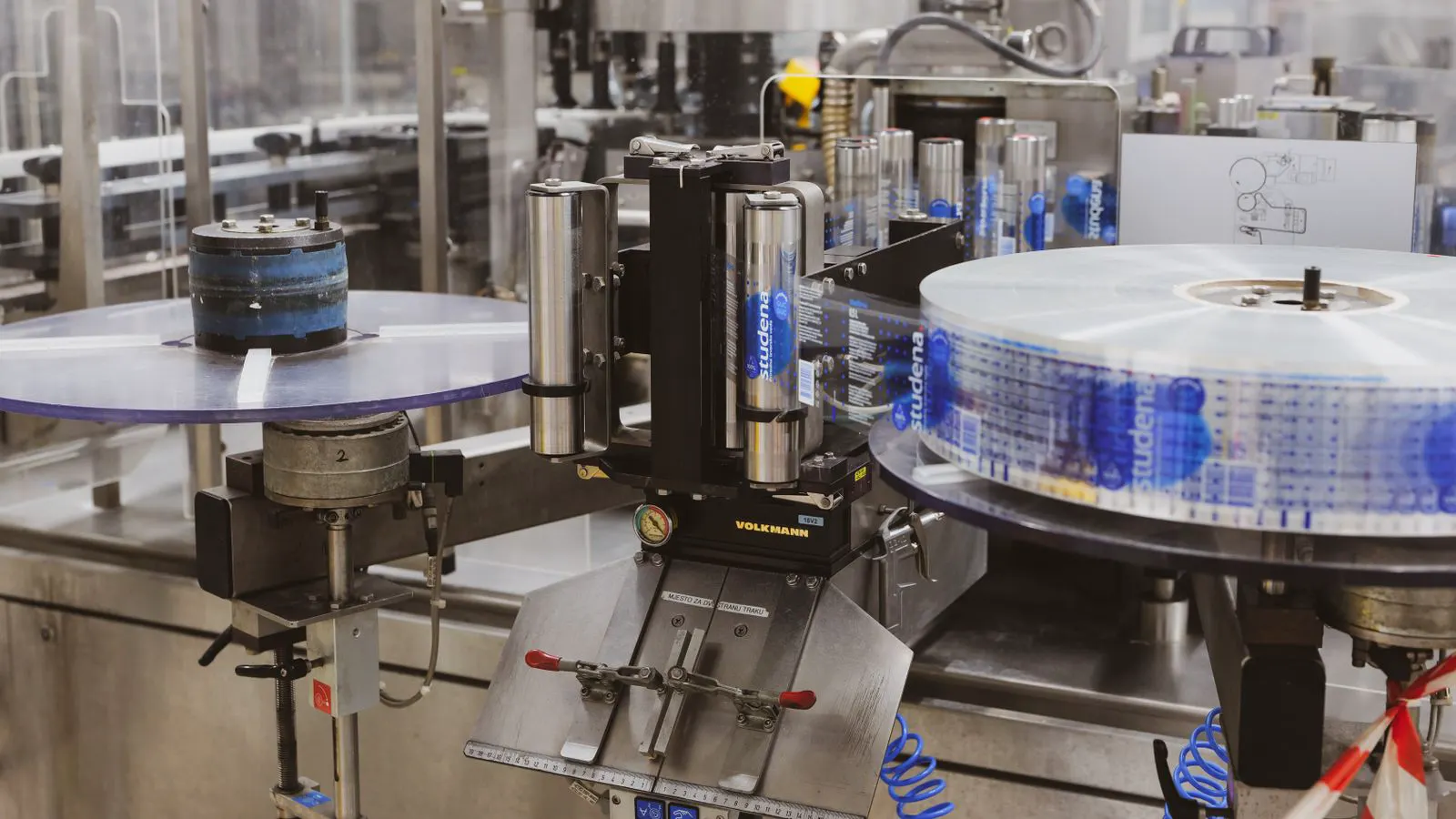
Consumer metal products are moving toward higher precision and faster turnaround times. Manufacturers are responding by replacing manual handling with automated feeders, in-line inspection, and robotic loading. This shift affects how buyers source stamped parts and how they manage supply chains.
How does automation change part consistency?
Manual stamping often relies on operator skill to catch defects. Automated systems use cameras, force sensors, and acoustic monitoring to detect deviations in real time. A progressive die line producing stainless steel fasteners now rejects parts that deviate from the die gap by fractions of a millimeter. The result is fewer rejects reaching the final assembly stage.
Buyers should expect tighter dimensional control. Tolerances that previously required secondary machining are now achievable through optimized die design and automated tooling. This reduces processing steps and shortens lead times. However, it also means the supplier must maintain automated systems with precision. A sensor drift of 0.05mm can shift a part outside spec if not calibrated regularly.
When evaluating a supplier, ask for their inspection frequency. Automated lines often run continuous in-line checks. Manual lines may sample every 100 parts. The difference matters for consumer goods where appearance and fit are critical. A cosmetic scratch on a brushed aluminum handle is easier to detect with a vision system than with the human eye.
What happens to production costs in high-volume runs?
Automation increases the initial cost of setting up a stamping line. Automated feeders, robotic palletizers, and data logging systems require capital investment. However, the unit cost decreases as volume increases. A supplier producing 50,000 stamped plastic clips per day benefits less from automation than one producing 500,000 stamped metal brackets.
The break-even point depends on part complexity and material thickness. Thin-gauge sheet metal stamped in high volumes sees the fastest return. Thicker gauge parts with complex geometries may require longer tooling life, which offsets automation savings. Buyers should model cost curves based on actual volumes, not theoretical minimums.
A common mistake is assuming automation always lowers price. In low-volume, custom consumer products, the tooling cost for automated lines may exceed the savings. For example, a limited edition decorative hardware piece may be cheaper to produce on a manual press if the run is under 10,000 units.
How does traceability change for consumer goods buyers?
Every stamped part now carries a digital footprint. Automated systems log die wear, material lot numbers, and operator overrides. This creates a chain of custody that extends from raw material to finished product. For consumer electronics, this traceability helps identify defects faster. If a batch of stamped circuit board brackets fails in the field, the supplier can isolate the exact die set and material roll.
Buyers gain use in quality disputes. Instead of relying on certificates of conformance, you can request raw production data. This changes the negotiation dynamic. Suppliers who maintain clean data logs can defend their work faster. Those without automation struggle to provide evidence.
The preparation step here is simple. Require your supplier to provide traceability data in a standard format. Ask for part numbers, heat numbers, and timestamped inspection results. Do not accept vague assurances of “full traceability.” Specific data points matter.
What new risks do automated stamping lines create?
Automation introduces new failure modes. A sensor calibration error can cause the entire line to reject good parts, creating scrap. A software update can change die compensation values without an operator noticing. These risks are different from manual stamping, where a human operator can visually inspect a sample and make a quick adjustment.
Downtime costs increase when a line stops. A manual press can be restarted in minutes. An automated cell with robotic loading and in-line inspection may take an hour to clear and restart. Buyers should understand the recovery time of their supplier. Ask about their mean time to repair for automated systems.
Another risk is over-reliance on a single supplier. If a supplier’s automation stack fails and they cannot source alternative tooling quickly, production halts. Diversify your supplier base for critical components. Even if one supplier has superior automation, having a backup with manual capability reduces risk.
How should buyers prepare for these shifts?
Start with a supplier capability audit. Look for evidence of automated inspection, not just a claim of “advanced automation.” Ask to see the in-line cameras, the data dashboard, and the die maintenance logs. A supplier who shows you the data has a different process than one who only shows you the final parts.
Update your purchasing specifications. Include data requirements in your RFQ. Specify the format for traceability records. Define the inspection frequency you expect. If your current contract only states “parts must be delivered,” you are leaving money on the table.
Train your internal team. Your engineers need to understand automated inspection metrics. A “pass rate” of 99.5% means something different when the inspection is continuous versus sampled. Learn the terminology. Ask questions about sensor types, calibration intervals, and die wear compensation.
Negotiate for data access. Include a clause in your contract that gives you access to production data for a defined period after delivery. This protects you in the event of a field failure. It also shows your supplier that you value transparency.
Where do consumer goods production costs trend next?
Cost pressure is shifting from labor to data and maintenance. The next phase of automation will focus on predictive maintenance. Sensors will predict die wear before it causes defects. This reduces unplanned downtime and extends tooling life. The cost savings come from fewer scrap events and longer production runs.
Material costs will remain a major factor, but automation reduces the waste associated with improper die setup. A well-tuned automated line uses less offcut material. This is a quiet but significant savings in high-volume consumer products.
The direction is clear. Automation is no longer an option for high-volume consumer stamping. It is the baseline. Buyers who plan for it will secure better costs and better quality. Those who do not will face higher prices and longer lead times as suppliers pass through the cost of automation.
How to verify supplier automation claims
When a supplier markets their line as “fully automated,” verify the claim. Ask for a video of the line in operation. Look for robotic loading, in-line cameras, and data screens. Ask how many parts are inspected per minute. Ask what happens when a defect is detected. Does the line stop? Is the part removed automatically?
Request a sample of their production data. Look for timestamps, part numbers, and inspection results. If the data is inconsistent or missing, the automation may be limited. A truly automated line generates clean, continuous data. A partially automated line may have gaps where a human operator manually logs entries.
This verification step takes time, but it saves money. A supplier with genuine automation will welcome the audit. A supplier with exaggerated claims will resist.
| Automation Feature | Buyer Benefit | Verification Method |
|---|---|---|
| In-line vision inspection | Reduced cosmetic defects | Request sample inspection report |
| Robotic part loading | Faster cycle times | Video tour of production line |
| Die wear sensors | Predictive maintenance | Ask for maintenance schedule |
| Data logging | Full traceability | Request raw data sample |
| Automated rejection | Consistent quality | Observe reject bin during audit |
The path forward is clear. Consumer stamping automation is changing the economics of metal parts. Buyers who understand the shifts will make better decisions. Focus on data, verify claims, and plan for tighter quality standards. The suppliers who adapt fastest will be the ones who secure the next decade of consumer goods production.
Frequently asked questions
Does automation always lower the cost of stamped parts?
No. Automation lowers unit costs in high-volume runs. For low-volume or custom parts, the upfront tooling cost may exceed the savings. Model your specific volume before assuming cost reduction.
What data should I request from an automated stamping supplier?
Request traceability data including part numbers, material heat numbers, timestamps, and inspection results. Also ask for die maintenance logs and sensor calibration records.
How do I verify if a supplier's automation is genuine?
Request a video tour of the line and ask for a sample of raw production data. Look for consistent timestamps and automated rejection logs. A genuine system generates clean, continuous data.
Can I use automation for low-volume consumer products?
Usually no. The tooling cost for automated lines is high. For runs under 10,000 units, a manual press may be more cost-effective. Focus automation on high-volume, consistent designs.
What is the main risk of relying on automated stamping lines?
Downtime costs increase when automated systems fail. Software errors or sensor drift can stop the line. Diversify your supplier base to reduce the impact of a single failure.