Progressive Die Basics: How Stations Work in High Speed Stamping
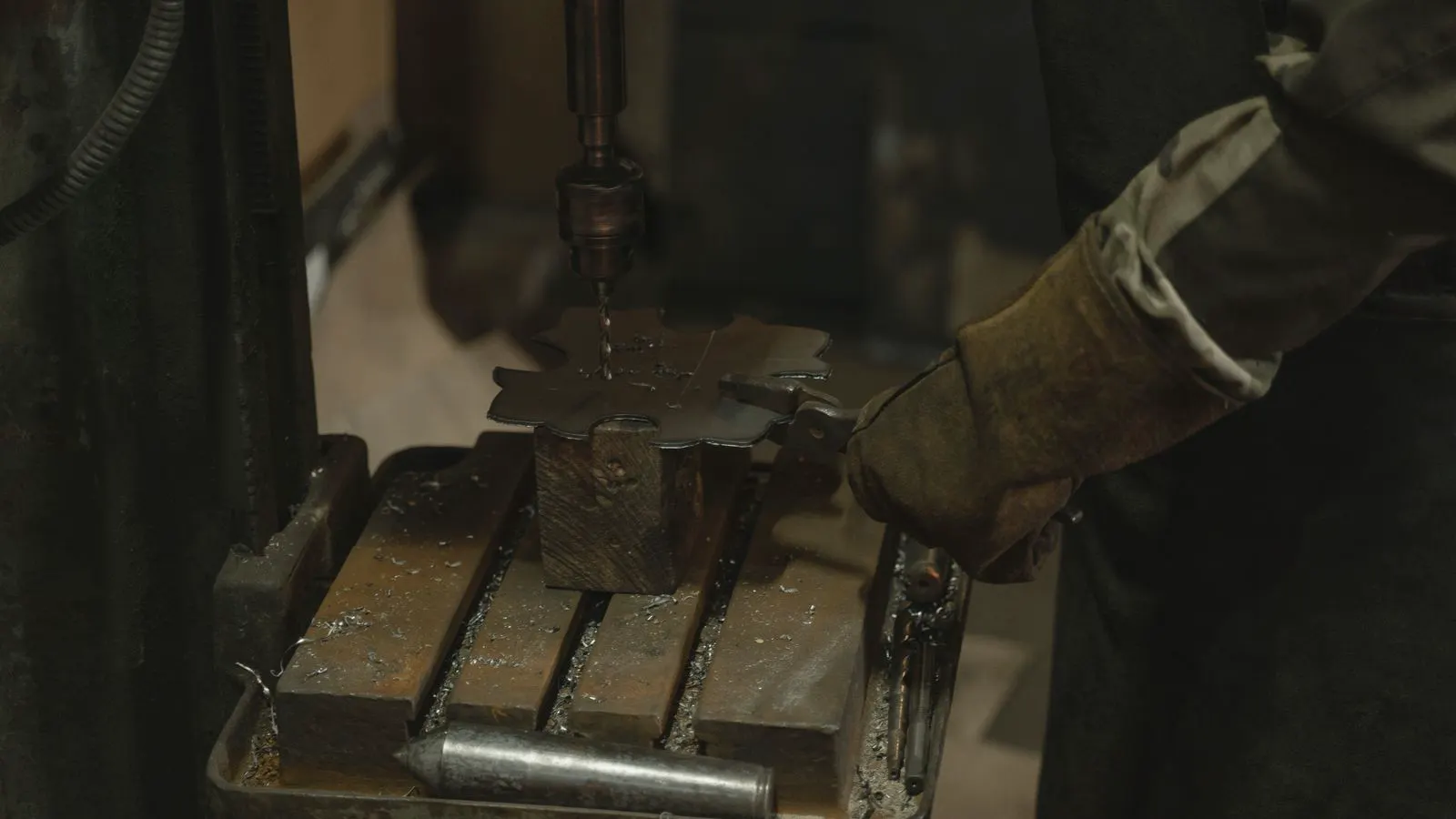
A progressive die processes multiple steps in one stroke. Stations perform forming, cutting, or piercing sequentially. This setup enables high speed stamping and efficient part production.
- A progressive die performs multiple operations in a single press stroke.
- Each station handles a specific task like piercing, blanking, or forming.
- Die design must account for material thickness and part complexity.
- High speed stamping depends on precise alignment and reliable material feeding.
- Understanding station flow helps when sourcing and planning a new project.
What Is a Progressive Die?
A progressive die is a metal forming tool that completes several operations in one press stroke. It contains multiple stations arranged in the feed direction of the material. As the strip moves through the die, each station performs a specific task. This makes it a key tool for high speed stamping.
The term progressive die refers to the sequential nature of the work. The first station might pierce a hole. The next station might bend a flange. A later station might trim the excess. By the time the strip exits, the part is fully formed. This efficiency is why it is widely used in the industry.
How Do Stations Work in Sequence?
Each station in a progressive die has a dedicated function. They are aligned with the direction of material movement. The die design must ensure that the material moves smoothly from one station to the next. There is no room for error in this flow.
Stations are typically numbered in order. Station one performs the initial operation. Station two performs the next. This linear arrangement allows the press to perform multiple cuts or forms without stopping. The operator loads the strip at the start and collects the finished parts at the end.
A common example is a small bracket. Station one pierces a mounting hole. Station two forms a tab. Station three trims the blank. The part is complete after one stroke. This sequential approach reduces cycle time and labor.
Why Is High Speed Stamping Important?
High speed stamping is achieved when the die allows for rapid cycles. The press must close and open quickly without damaging the part. The die design must support this speed with precise alignment. Any misalignment can cause defects or tool wear.
At high speeds, material feeding is critical. The strip must enter the die at the correct rate. If the feed is too fast or too slow, the parts may be misaligned. This can lead to scrap or downtime. Therefore, the die design must include reliable feeding mechanisms.
The goal of high speed stamping is to produce more parts in less time. This reduces cost per unit. It also increases the throughput of the production line. For many buyers, this efficiency is the main reason to choose a progressive die over other methods.
Key Factors in Die Design
Die design is the most critical aspect of a progressive die. It determines how the stations are arranged and how the material flows. The engineer must consider the part geometry, material thickness, and desired output rate. Poor design can lead to failures at high speed.
The stations must be spaced correctly. If they are too close, the material may buckle. If they are too far, the die may be too large. The design must also account for the strength of the material. Thicker materials require more force and stronger tooling.
A well-designed progressive die includes features that guide the material. These features ensure that each part is positioned correctly for the next operation. They also help prevent part-to-part contact, which can cause scratches or damage. This level of detail is essential for consistent quality.
How Does Material Affect the Process?
The type of material used in stamping directly affects the die design. Softer metals like aluminum are easier to form but may require more support. Harder metals like spring steel are tougher but may cause tool wear. The choice of material must be matched to the die.
Material thickness is another key factor. Thin gauges can be processed at higher speeds. Thick gauges require more force and slower cycles. The die design must be adjusted accordingly. The press must be capable of delivering the required tonnage.
The finish of the material also matters. Rough surfaces can affect the quality of the cut edges. They may also increase friction in the die. This can lead to burrs or uneven surfaces. Selecting the right material grade is part of the overall design process.
Example: A Simple Progressive Die Setup
Consider a simple hinge bracket made from mild steel. The part has two holes and one bent tab. The progressive die has three stations. Station one pierces the first hole. Station two pierces the second hole and forms the tab. Station three trims the blank to size.
The strip enters the die at the top. It moves through station one, where the first hole is punched. It then moves to station two, where the second hole is punched and the tab is bent. Finally, it reaches station three, where the excess material is trimmed. The finished part drops out at the end of the die.
This example shows how a progressive die can produce a simple part in one stroke. The die design is straightforward but effective. It allows for high speed stamping with minimal manual handling. The process is reliable and repeatable.
What Are the Challenges in Sourcing?
Sourcing a progressive die requires careful selection of the supplier. The supplier must have the capability to design and build complex tooling. They must also understand the specific requirements of the part. A good supplier will ask detailed questions about the part and the production volume.
The cost of a progressive die can be high. It is a significant investment. However, it can pay for itself over time through reduced labor and increased throughput. The buyer should consider the total cost of ownership, not just the initial price.
Lead time is another challenge. Progressive dies can take weeks or months to produce. The buyer must plan ahead to avoid delays. It is important to have a clear timeline and to communicate regularly with the supplier.
| Die Feature | Function | Impact on Production |
|---|---|---|
| Station Alignment | Ensures correct part positioning | Prevents misalignment and scrap |
| Material Guide | Directs strip flow through stations | Improves consistency and speed |
| Cutting Edge | Trims and forms material | Affects edge quality and tool life |
| Forming Station | Shapes the material | Determines part geometry accuracy |
| Feeding Mechanism | Advances the strip | Critical for high speed stamping |
- Identify the part geometry and material requirements.
- Determine the desired production speed and volume.
- Select a supplier with proven progressive die design capability.
- Review the die design for station layout and material flow.
- Test the die on the press to verify performance and quality.
How to Evaluate a Progressive Die Project
When starting a new project, evaluate the part complexity first. Simple parts can be made with fewer stations. Complex parts may require many stations or a combination of progressive and transfer dies. The more stations, the higher the cost and complexity.
Next, consider the material and thickness. These factors influence the press tonnage and the die design. The material must be able to withstand the forming and cutting forces. The thickness determines the required die depth and station spacing.
Finally, assess the production environment. The press must be capable of the required speed and tonnage. The facility must have the space and infrastructure to support the operation. All these factors must be considered together. A well-planned project will lead to a successful progressive die implementation.
Frequently asked questions
What is the main advantage of a progressive die?
A progressive die performs multiple operations in a single press stroke. This increases efficiency and reduces labor.
Can a progressive die handle thick materials?
Yes, but it requires a press with sufficient tonnage and a robust die design. Thick materials may need slower cycle speeds.
What is the difference between a progressive die and a transfer die?
A progressive die moves the material through a series of stations in one stroke. A transfer die uses a strip feeder to move parts between stations.
How long does it take to build a progressive die?
The lead time varies depending on complexity and supplier capacity. It can range from a few weeks to several months.
What materials are commonly used with progressive dies?
Progressive dies are used with a variety of metals, including steel, aluminum, and copper alloys. The material choice affects the die design.