Progressive vs Transfer Die: A Buyer’s Guide for High Volume Parts
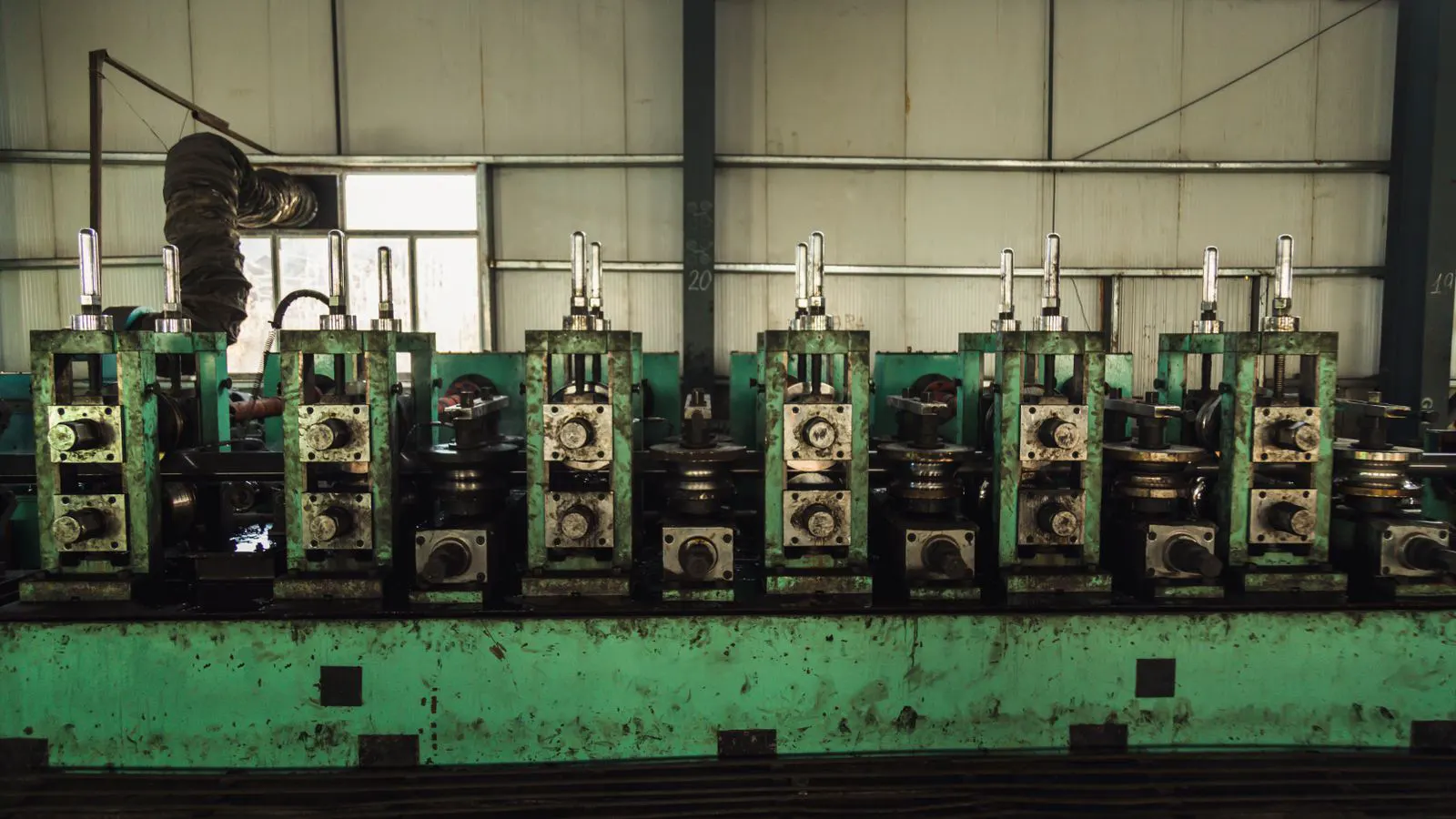
For high volume metal stamping, a progressive die is typically best for high-speed, multi-operation parts, while a transfer die suits multi-part assembly or complex forming. The final choice depends on part complexity, speed requirements, and tooling budget.
- A progressive die performs multiple operations in one stroke, ideal for high-speed, simple parts.
- A transfer die moves the part between stations, allowing for multi-part assemblies and complex tooling.
- The choice depends on part design, production speed, volume, and total tooling cost.
- Evaluate die life, maintenance needs, and press compatibility before finalizing your die selection.
How a Progressive Die Works in High-Volume Production
A progressive die is a multi-station tool where each station performs a specific operation—blanking, piercing, forming, or coining—as the sheet feeds through the press in a single stroke. Because the tool is designed to handle multiple tasks at once, it is well suited to high-speed stamping of flat or relatively simple parts. The key advantage is speed: one press stroke produces a finished or near-finished part. This makes progressive dies a strong option when you need thousands of parts per hour with minimal handling.
When a Transfer Die Makes More Sense
A transfer die uses a carrier to move the workpiece from one station to the next. Unlike a progressive die, the part is not fed by a continuous strip; instead, it is transferred mechanically or by a conveyor between stations. This design is advantageous when the part requires multiple distinct operations that are difficult to combine into a single progressive tool. Transfer dies are often chosen for multi-part assemblies, heavy forming operations, or parts where the sequence of operations is complex. The trade-off is lower speed compared to progressive dies, but greater flexibility in tool design.
Key Differences in Design and Operation
The structural differences between a progressive die and a transfer die influence how they are built, maintained, and integrated into a production line. A progressive die relies on precise strip feeding and consistent material thickness. A transfer die depends on the reliability of its transfer mechanism and the rigidity of its carrier. Because of this, transfer dies can accommodate thicker gauges and more complex part geometries, but they require more careful alignment and maintenance.
How Production Volume Influences Die Selection
Production volume is the single most important factor in choosing between a progressive die and a transfer die. For very high volumes of simple parts, a progressive die usually delivers the best cost per part because of its speed and low handling time. For lower volumes or parts with complex design features, a transfer die may be more economical despite its slower cycle time. If you are producing in the range of tens of thousands of parts per month, the higher tooling cost of a progressive die is typically justified by its throughput. If your volume is lower or your part design is more complex, a transfer die may offer a better balance of cost and capability.
Evaluating Part Complexity and Material
The complexity of the part and the material it is made from also play a significant role. Parts with multiple features that require precise registration across stations are often better suited to a progressive die. Parts that involve assembly of multiple components, heavy bending, or irregular shapes may require a transfer die. Material thickness and alloy also matter: thicker or harder materials may limit the number of stations that can be effectively combined in a progressive die, making a transfer die a more practical choice.
A Criteria Table for Die Selection
When evaluating options, consider the following criteria. Each row below highlights a factor to examine and why it matters for your decision.
| Criterion | What to look for | Why it matters |
|---|---|---|
| Part complexity | Number of distinct operations required | Determines if operations can be combined into one tool |
| Production speed | Required parts per hour | Progressive dies generally achieve higher speed |
| Material thickness | Gauge and alloy of the sheet | Influences tool rigidity and station count |
| Tooling cost | Initial investment for die design | Affects break-even volume and cash flow |
| Maintenance | Frequency and type of service required | Impacts long-term operating cost and downtime |
| Press compatibility | Available press tonnage and bed size | Ensures the die can be installed and operated safely |
A Numbered Checklist for the Final Decision
Use the following checklist to make a final call. Work through each item in order to avoid overlooking critical factors.
- Define the exact part geometry and the sequence of operations required.
- Determine the target production volume and the required cycle time.
- Assess the material thickness and any special surface or tolerance requirements.
- Estimate the tooling cost for both progressive and transfer options.
- Evaluate the maintenance and downtime profile of each die type.
- Confirm that your press and feed equipment can support the chosen die.
- Review the long-term cost per part, including tool wear and replacement.
Balancing Initial Cost with Long-Term Value
The initial cost of a progressive die is often higher than that of a transfer die, but this does not always mean it is the more expensive option over time. Because progressive dies produce more parts per hour, the tooling cost is spread over a larger number of units. For high-volume production, this usually results in a lower cost per part. However, if your production volume is lower or your part design is too complex for a progressive tool, the higher throughput of a progressive die may not be fully utilized, and a transfer die may offer better overall value.
Final Thoughts
Choosing between a progressive die and a transfer die is not a one-size-fits-all decision. It requires a careful assessment of part design, production volume, material properties, and long-term operating costs. By using the criteria and checklist provided above, you can make a well-informed decision that aligns with your production goals and budget. The right die type will not only meet your volume requirements but also support efficient, reliable, and cost-effective manufacturing.
Frequently asked questions
Is a progressive die always faster than a transfer die?
Generally, yes. A progressive die performs multiple operations in a single stroke, which typically results in a higher parts-per-hour rate than a transfer die.
Can a transfer die be used for high-volume production?
Yes, but it is often slower than a progressive die. It may still be the right choice if the part design requires complex operations that cannot be combined into a single progressive tool.
What is the main cost advantage of a progressive die?
The main advantage is the lower cost per part achieved through high-speed production. The higher initial tooling cost is spread over a larger number of units.
How does material thickness affect the choice between progressive and transfer dies?
Thicker materials may limit the number of stations that can be used in a progressive die. In such cases, a transfer die may be more suitable because it can handle heavier operations across separate stations.
Is maintenance more frequent for a progressive die?
Progressive dies can have more moving parts and a complex feed system, which may increase maintenance requirements. However, transfer dies also require careful alignment of their transfer mechanisms. The specific maintenance profile depends on the design and material used.