Transfer Die vs Progressive: Material Flow Differences
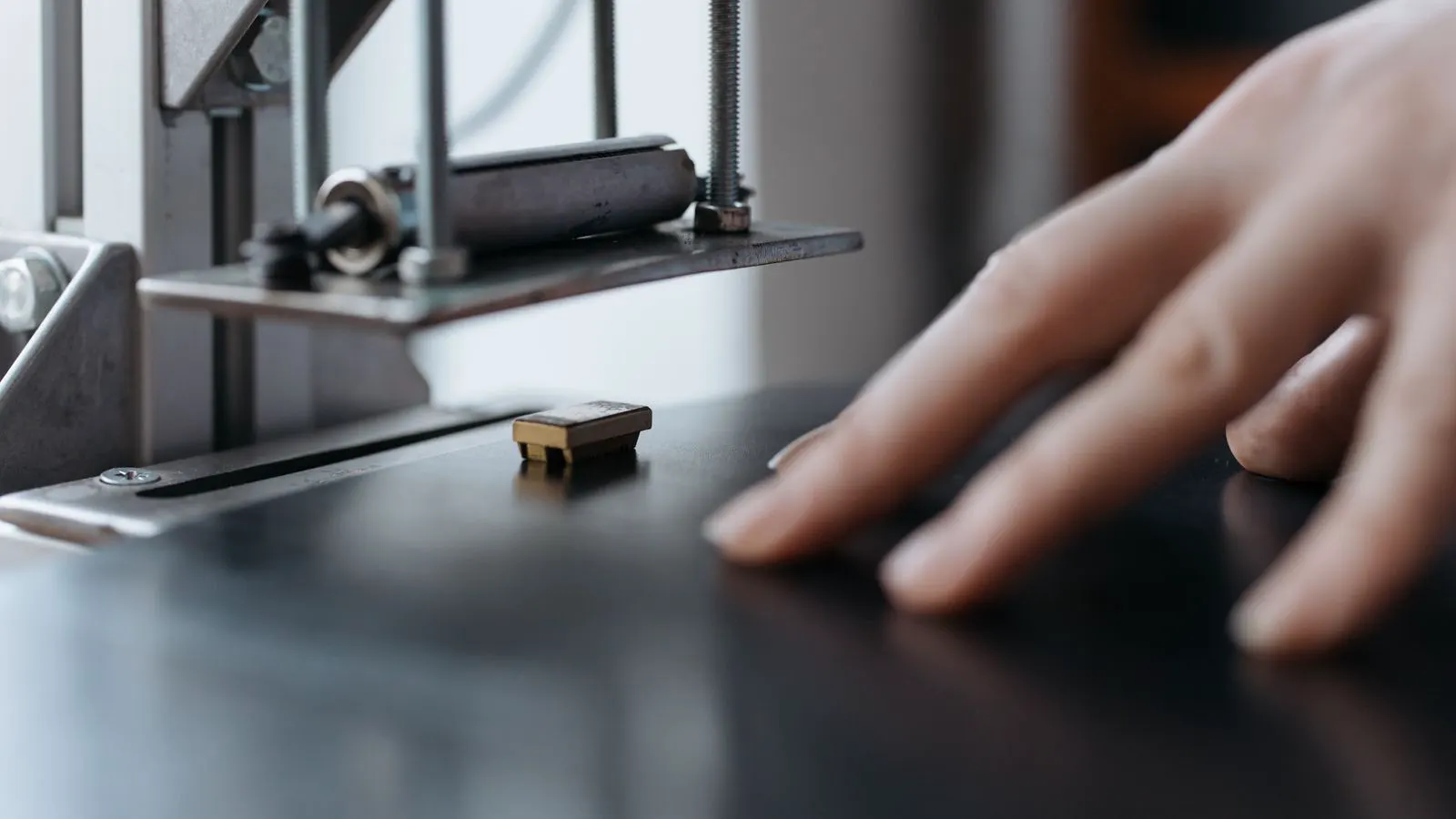
Transfer dies move the part from one die station to the next using a carrier plate, while progressive dies feed the sheet through multiple stations in a single stroke. The material flow difference changes tooling complexity, part complexity, and press requirements.
- Transfer dies use a carrier to move the workpiece between stations, allowing complex part shapes and multiple operations in one stroke.
- Progressive dies feed the sheet through multiple stations in a single stroke, making them ideal for high-volume simple parts.
- Material flow differences affect part geometry, press tonnage, die life, and setup time.
- Choose a transfer die for complex parts with multiple operations and a progressive die for high-volume simple parts.
- Evaluate material flow when selecting die types to ensure part quality and production efficiency.
How Material Moves in a Transfer Die
A transfer die moves the workpiece from one die station to another using a carrier plate. The carrier holds the part as it travels through the die stack. This design allows multiple operations on the same part without requiring multiple presses. The material flow is controlled by the carrier, which guides the part through each station.
The carrier plate is a flat metal plate that holds the workpiece. It moves the part from the first station to the next. The carrier can be simple or complex, depending on the part. Some carriers use pins, others use vacuum suction, and some use mechanical clamps. The choice of carrier depends on the part geometry and the operations required.
In a transfer die, the material flow is discontinuous. The part is held by the carrier and moved from station to station. This allows the part to be reoriented or flipped. The carrier can rotate the part, move it laterally, or lift it. This flexibility makes transfer dies suitable for parts that require multiple operations on different faces or orientations.
The material flow in a transfer die is controlled by the carrier plate. The carrier moves the part through each station. The die stations are fixed in the carrier or in the die stack. The carrier guides the part through each station. This design allows the part to be held securely during each operation.
How Material Moves in a Progressive Die
A progressive die feeds the sheet metal through multiple stations in a single press stroke. The material flow is continuous. The sheet enters the first station, is processed, and moves to the next station. The sheet is guided by a strip clamp or a guide pin. The material flow is controlled by the feed mechanism.
In a progressive die, the material flow is continuous. The sheet moves from one station to the next without being held by a carrier. The sheet is guided by a strip clamp or a guide pin. The feed mechanism moves the sheet from one station to the next. This design allows multiple operations on the same part in a single stroke.
The material flow in a progressive die is controlled by the feed mechanism. The feed mechanism moves the sheet from one station to the next. The sheet is guided by a strip clamp or a guide pin. The material flow is continuous and controlled. This design makes progressive dies suitable for high-volume parts with simple geometry.
The material flow in a progressive die is different from a transfer die. In a progressive die, the sheet moves through each station in a single stroke. The sheet is not held by a carrier. The sheet is guided by a strip clamp or a guide pin. This design allows the sheet to move through each station without being stopped.
Material Flow Comparison Table
| Option | Best for | Limitations |
|---|---|---|
| Transfer die | Complex parts with multiple operations on different faces or orientations | Higher tooling cost, longer die life, more complex setup |
| Progressive die | High-volume parts with simple geometry and multiple operations in a single stroke | Limited part complexity, cannot reorient or flip the part, requires continuous sheet feed |
| Multi-station progressive die | Parts that require multiple operations in a single stroke without reorientation | Higher tooling cost, more complex feed mechanism, limited part geometry |
| Single-station progressive die | Parts that require a single operation in a single stroke | Limited to one operation, not suitable for complex parts |
| Multi-station progressive die with strip clamp | Parts that require multiple operations in a single stroke with continuous sheet feed | Limited part complexity, cannot reorient or flip the part, requires continuous sheet feed |
When to Pick a Transfer Die
A transfer die is the right choice when the part requires multiple operations on different faces or orientations. The carrier plate allows the part to be reoriented or flipped. This design is suitable for parts that require multiple operations on different faces. The material flow in a transfer die is controlled by the carrier, which guides the part through each station.
A transfer die is also suitable for parts that require multiple operations in a single stroke. The carrier plate allows the part to be held securely during each operation. This design is suitable for parts that require multiple operations in a single stroke. The material flow in a transfer die is controlled by the carrier, which guides the part through each station.
A transfer die is not suitable for high-volume parts with simple geometry. The carrier plate adds complexity and cost. The material flow in a transfer die is discontinuous, which can reduce production speed. This design is not suitable for high-volume parts with simple geometry.
When to Pick a Progressive Die
A progressive die is the right choice for high-volume parts with simple geometry. The material flow is continuous, which allows multiple operations in a single stroke. This design is suitable for high-volume parts with simple geometry. The material flow in a progressive die is controlled by the feed mechanism, which moves the sheet from one station to the next.
A progressive die is also suitable for parts that require multiple operations in a single stroke. The feed mechanism moves the sheet from one station to the next. This design is suitable for parts that require multiple operations in a single stroke. The material flow in a progressive die is controlled by the feed mechanism, which moves the sheet from one station to the next.
A progressive die is not suitable for parts that require reorientation or flipping. The sheet is guided by a strip clamp or a guide pin, which does not allow the sheet to be reoriented or flipped. This design is not suitable for parts that require reorientation or flipping.
Material Flow Impact on Part Quality
The material flow in a transfer die is controlled by the carrier plate. The carrier guides the part through each station. This design allows the part to be held securely during each operation. The material flow in a transfer die is discontinuous, which can affect part quality if the carrier is not aligned correctly.
The material flow in a progressive die is controlled by the feed mechanism. The feed mechanism moves the sheet from one station to the next. This design allows the sheet to move through each station without being stopped. The material flow in a progressive die is continuous, which can affect part quality if the feed is not aligned correctly.
The material flow in a transfer die can affect part quality if the carrier is not aligned correctly. The carrier guides the part through each station. If the carrier is not aligned, the part can be misaligned, which can affect part quality. The material flow in a progressive die can affect part quality if the feed is not aligned correctly. The feed mechanism moves the sheet from one station to the next. If the feed is not aligned, the sheet can be misaligned, which can affect part quality.
Setup and Maintenance Considerations
A transfer die requires a carrier plate, which adds complexity to the die. The carrier plate must be aligned correctly to ensure the part moves through each station. The carrier plate must be maintained to ensure it is aligned and in good condition. The carrier plate can wear out, which can affect part quality.
A progressive die requires a feed mechanism, which must be aligned correctly to ensure the sheet moves through each station. The feed mechanism must be maintained to ensure it is aligned and in good condition. The feed mechanism can wear out, which can affect part quality. The feed mechanism can be a strip clamp or a guide pin. The strip clamp holds the sheet in place, and the guide pin guides the sheet through each station.
The setup time for a transfer die is longer than for a progressive die. The carrier plate must be aligned correctly, and the die stations must be aligned correctly. The setup time for a progressive die is shorter. The feed mechanism must be aligned correctly, and the die stations must be aligned correctly. The setup time for a progressive die is shorter because the feed mechanism is simpler.
Choosing the Right Die Type
The choice of die type depends on the part geometry, the operations required, and the production volume. A transfer die is suitable for complex parts with multiple operations on different faces or orientations. A progressive die is suitable for high-volume parts with simple geometry. The material flow in a transfer die is controlled by the carrier plate, and the material flow in a progressive die is controlled by the feed mechanism.
The material flow difference between a transfer die and a progressive die is a key factor in choosing the right die type. The material flow in a transfer die is discontinuous, and the material flow in a progressive die is continuous. The material flow difference affects part quality, production speed, and setup time. The material flow difference also affects tooling cost and die life.
The choice of die type should be based on the part geometry, the operations required, and the production volume. A transfer die is suitable for complex parts with multiple operations on different faces or orientations. A progressive die is suitable for high-volume parts with simple geometry. The material flow difference should be considered when choosing the right die type.
Frequently asked questions
What is the main difference in material flow between a transfer die and a progressive die?
A transfer die moves the workpiece between stations using a carrier plate, while a progressive die feeds the sheet through multiple stations in a single stroke. The material flow in a transfer die is discontinuous, and the material flow in a progressive die is continuous.
Which die type is better for high-volume parts?
A progressive die is better for high-volume parts with simple geometry. The material flow is continuous, which allows multiple operations in a single stroke. This design is suitable for high-volume parts with simple geometry.
Which die type is better for complex parts?
A transfer die is better for complex parts with multiple operations on different faces or orientations. The carrier plate allows the part to be reoriented or flipped. This design is suitable for complex parts with multiple operations on different faces.
How does the material flow affect part quality?
The material flow in a transfer die is controlled by the carrier plate, and the material flow in a progressive die is controlled by the feed mechanism. If the carrier or feed is not aligned correctly, the part can be misaligned, which can affect part quality.
Which die type has a shorter setup time?
A progressive die has a shorter setup time than a transfer die. The feed mechanism is simpler, and the die stations are easier to align. The setup time for a progressive die is shorter because the feed mechanism is simpler.