Quality Inspection Cost and Lead Time for Stamped Parts
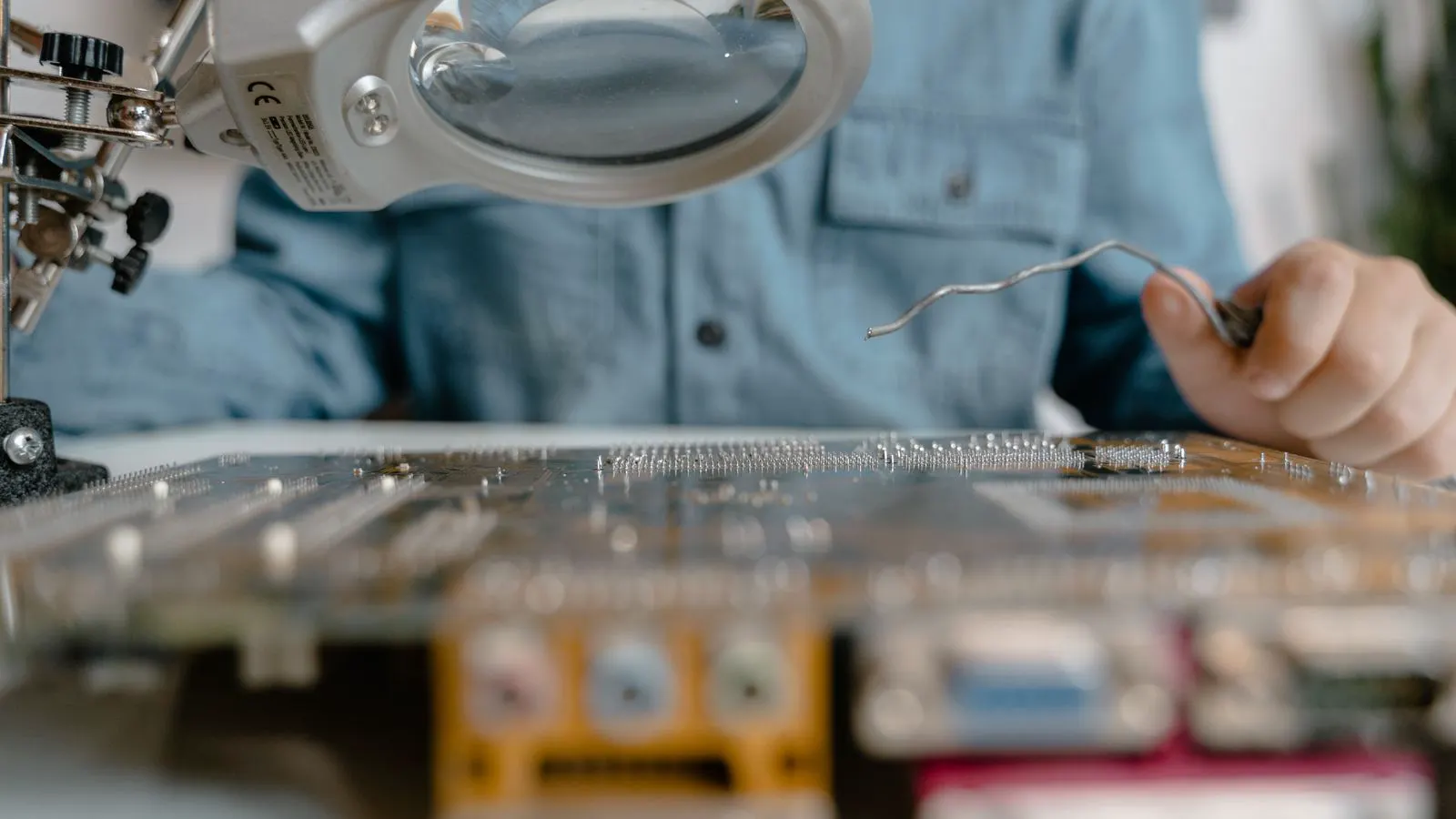
Inspection cost for stamped parts depends on method, volume, and tolerance. A detailed visual check costs less than CMM or X-ray. Lead time follows the same logic. Use a clear RFQ to get comparable quotes on both budget and delivery.
- Inspection cost and lead time move together. Higher accuracy and lower defect risk mean more time and money per part.
- A clear RFQ that states tolerances, inspection method, and sample size prevents expensive rework and delays.
- Compare quotes by separating the per-part inspection fee from the setup and reporting fees.
- A 50 percent AQL sample is often enough for standard parts, while full 100 percent inspection is reserved for safety-critical or high-risk batches.
What drives the inspection cost
Inspection cost is not a single line item. It is a stack of fees that move together. The method, the tolerance, the part complexity, and the sample size all push the price in different directions.
A basic visual check is the cheapest option. The inspector looks for obvious defects, such as burrs, scratches, and missing features. It takes seconds per part. The cost is low, and the lead time is short.
A dimensional check is more expensive. The inspector uses calipers, micrometers, or a coordinate measuring machine. A CMM can verify geometry with high precision. The setup is longer. The machine time is slower. The report is more detailed.
A functional or destructive test is the most expensive. The part is loaded, compressed, or broken. The data proves that the part works. It also destroys the sample. The cost is high, and the lead time is longer.
The material and part size also matter. A thin sheet part is easy to inspect. A thick, complex, multi-bend part is harder to access. The inspector needs more time to reach every surface.
How lead time follows the inspection method
Lead time is the time between the part leaving the press and the buyer receiving the approved report. Inspection is one of the last steps before shipment.
A visual check can be done in the same shift as production. The inspector walks the line, checks the first piece, and samples a few more. The part can ship the same day.
A CMM check takes longer. The part must be loaded onto the machine. The machine runs the program. The engineer reviews the data. The report is generated. This often takes hours or a full day.
A destructive test takes the longest. The part must be set up on a test rig. The test is run. The data is analyzed. The report is written. The part is then scrapped. This can take days, depending on the test complexity.
A table of cost and time drivers
| Driver | Low Cost / Short Lead Time | High Cost / Long Lead Time |
|---|---|---|
| Inspection Method | Visual check | CMM or destructive test |
| Tolerance | Loose, general fit | Tight, critical fit |
| Part Complexity | Simple, flat part | Complex, multi-bend part |
| Sample Size | First piece and random | 100 percent or high AQL |
| Reporting | Basic pass/fail | Full data report |
| Material | Soft, standard steel | Hard, alloy, or special grade |
How to write a clear RFQ for inspection
A vague RFQ leads to a vague quote. The vendor guesses what you need. The first quote may be low. The second quote may be high. The lead time may slip.
State the part number, material, and thickness. Give the drawing reference. List the critical dimensions.
Specify the inspection method. Say “visual check for burrs” or “CMM check on three critical dimensions.” Do not say “full inspection.” That phrase is too broad.
Set the sample size. A 50 percent AQL sample is common for standard parts. A first piece check is common for low-risk parts. A 100 percent check is for safety-critical parts or new tooling.
State the reporting format. Do you need a PDF? A CSV data file? A signed certificate of conformity? The format changes the labor cost.
Give the delivery date. If you need the report by a certain date, say so. The vendor can plan the machine time.
How to compare quotes fairly
Two vendors can quote the same part for different prices. The difference is not always in the part. It is in the inspection scope.
Look at the per-part fee. One vendor may charge a low setup fee and a high per-part fee. Another may charge a high setup fee and a low per-part fee. The total for a small order can be very different.
Look at the lead time. A low cost quote may take two weeks. A higher cost quote may take two days. If your production line stops while you wait, the low cost is not low.
Look at the sample size. One vendor may include a first piece check. Another may not. The first piece check catches tooling errors early. It saves you from receiving a bad batch.
Look at the reporting. A basic pass/fail report is cheap. A full CMM report with a 3D model is expensive. Decide what you actually need for your downstream process.
How inspection method changes the risk
Inspection is a trade-off. More inspection means less risk, but more cost and time.
A visual check catches the big defects. It misses small burrs and tight tolerances. The risk is high.
A dimensional check catches the small defects. It verifies the size. The risk is lower.
A functional test proves the part works. The risk is very low. The cost is high.
The right method depends on the part. A bracket that holds a panel needs a visual check and a spot dimensional check. A spring that holds a door needs a functional test. A safety clip needs a 100 percent check.
How to reduce cost and time
You can reduce cost without cutting corners.
State your tolerances clearly. If a dimension does not need to be tight, say so. The vendor can skip the CMM check.
Use a standard sample size. Do not ask for 100 percent inspection on a low-risk part. A standard AQL sample is usually enough.
Ask for a first piece check. This catches tooling errors before the batch is produced. It is cheaper than finding defects after shipment.
Use the same vendor for production and inspection. The vendor already has the part data. They can run the inspection faster.
Ask for the report in a standard format. A PDF or CSV is cheaper than a custom report.
How to handle a quote that is too high
If a quote is too high, do not just ask for a discount. Ask what is driving the price.
The price may be high because of the tolerance. You can loosen it.
The price may be high because of the sample size. You can lower it.
The price may be high because of the reporting. You can change the format.
The price may be high because of the material. You can change the material.
Ask for a breakdown. A good vendor will show you the setup fee, the per-part fee, and the reporting fee.
How to handle a quote that is too low
A low quote may be a trap.
The vendor may have skipped the first piece check.
The vendor may have used a low sample size.
The vendor may have not included the reporting fee.
The vendor may have underestimated the lead time.
Ask for the inspection plan. Ask for the sample size. Ask for the report format.
If the vendor cannot answer these questions, the quote is not reliable.
How to plan the lead time
Lead time is not just the inspection time. It is the total time from production to shipment.
The production time is the first part. The inspection time is the second part. The shipping time is the third part.
If you need the part in a week, you need to plan for the inspection. A CMM check may take two days. A destructive test may take five days.
Add a buffer. If the inspection takes three days, plan for five. The tooling may need adjustment. The part may need rework.
If you need the part in a week, do not ask for a destructive test. You will miss the date.
How to use inspection data to improve the part
Inspection data is not just a report. It is a tool.
Look at the dimensions. If one dimension is always on the edge, the tooling may need adjustment.
Look at the defects. If burrs are always on the same edge, the tooling may need a better shear die.
Look at the springback. If the bend angle is always off, the tooling may need a different punch.
Use the data to fix the root cause. Do not just inspect the part. Fix the tooling.
A good inspection plan catches problems early. A bad inspection plan just finds problems late.
Final thoughts on cost and delivery
Inspection cost and lead time are not separate. They are two sides of the same coin.
A cheap inspection is fast. A high-precision inspection is slow.
A low-risk part needs a low-cost inspection. A high-risk part needs a high-cost inspection.
The best inspection plan is the one that matches the risk. Too much inspection wastes money. Too little inspection wastes time.
Use a clear RFQ. State the tolerances. State the method. State the sample size. State the report format. State the delivery date.
Then compare the quotes. Look at the total cost. Look at the total lead time. Look at the risk.
The right answer is not the cheapest quote. It is the quote that fits the part.
Frequently asked questions
What is the most common inspection cost for stamped parts?
A visual check is the most common and cheapest option. It covers obvious defects like burrs and scratches. It is fast and low cost.
How long does a CMM inspection take?
A CMM check can take hours to a full day, depending on the part complexity and the number of dimensions. It is slower than a visual check.
Can I skip the inspection and save money?
You can skip a formal inspection, but the risk is higher. You may receive a bad batch. The cost of rework or scrap is often higher than the inspection fee.
How do I know if a quote includes the inspection cost?
Ask for a breakdown. Look for a line item for inspection, reporting, or certification. If it is not there, ask if it is included in the part price.
What is the difference between AQL and 100 percent inspection?
AQL is a statistical sample. You inspect a portion of the parts. 100 percent means you inspect every part. AQL is cheaper and faster. 100 percent is more thorough and slower.