Future of Tooling: How Lifecycle Management is Evolving
Tooling lifecycle management is shifting toward digital integration, data-driven maintenance, and sustainable practices. Manufacturers are prioritizing long-term tooling strategy by embracing predictive maintenance, modular design, and collaborative supplier relationships to extend die life and reduce costs.
- Tooling lifecycle management is moving from reactive repair to proactive, data-driven maintenance.
- Digital twins and IoT sensors help predict die wear before it impacts production schedules.
- A long-term tooling strategy requires viewing dies as long-term assets rather than one-time capital expenses.
- Modular tooling designs offer greater flexibility and reduce downtime during maintenance.
- Collaborative partnerships with tooling vendors are essential for navigating evolving industry standards and technologies.
How Digital Integration is Changing Tooling Management
The traditional approach to managing stamping tools relied heavily on manual inspections and scheduled maintenance intervals. Operators and engineers would visually inspect dies after a set number of parts, cleaning lubricant and checking for obvious signs of wear. While effective for basic operations, this reactive model often resulted in unexpected downtime when a critical failure occurred during a production run.
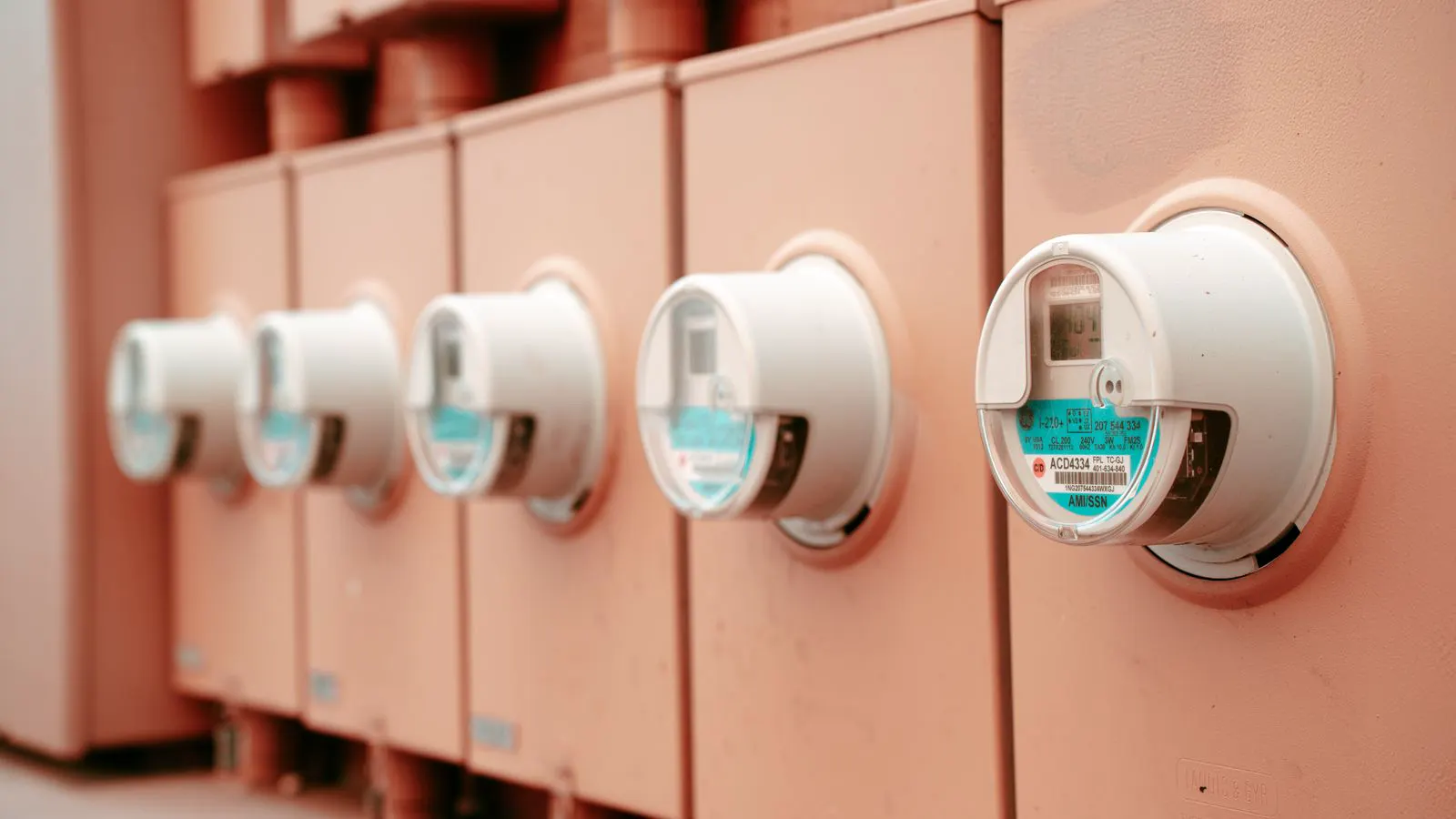
Today, the integration of digital technologies is fundamentally altering how tooling lifecycle management is approached. Stamping presses are increasingly equipped with sensors that monitor force, temperature, and vibration in real time. This data feeds into central systems that can identify subtle changes in tool performance before a catastrophic failure occurs. Instead of waiting for a die to break, manufacturers can now schedule maintenance during planned downtime windows, significantly reducing unplanned production losses.
For buyers and engineers, this shift means that tooling is no longer a static asset. It is a dynamic component of a larger digital ecosystem. Understanding how to capture, interpret, and act on this data is becoming a core competency in managing tooling lifecycle. The focus is moving from simply buying a die to managing the data stream that accompanies it throughout its operational life.
The Rise of Predictive Maintenance
Predictive maintenance represents one of the most significant tooling trends in the industry. By analyzing historical failure data and real-time operational metrics, manufacturers can predict when a specific die component is likely to fail. This allows for more precise maintenance planning, where only the necessary parts are replaced rather than overhauling the entire tool.
The economic benefits of predictive maintenance are substantial. Unplanned die failures can lead to lost production time, expedited shipping costs for replacement parts, and potential customer penalties. By shifting to a predictive model, manufacturers can smooth out their maintenance budgets and ensure that critical dies are always in optimal condition for high-volume production runs.
Implementing predictive maintenance requires a robust data infrastructure. This often involves retrofitting existing presses with IoT sensors or integrating new presses with built-in data collection capabilities. While the initial investment can be significant, the long-term savings in downtime and extended die life typically justify the expense. For a long-term tooling strategy, predictive maintenance is no longer a luxury but a baseline expectation for competitive manufacturers.
Modular Tooling and Design for Flexibility
Another major shift in the tooling lifecycle is the adoption of modular tooling designs. Traditional dies were often built as monolithic units, where a change in part geometry required a complete rebuild. Modular designs break down the die into interchangeable components, such as separate punch sets, die plates, and guide systems.
This modularity offers several advantages. First, it reduces the lead time for modifications. If a customer requires a minor change to a stamped part, a modular die can be updated by swapping out specific components rather than manufacturing a new set of tooling. This agility is crucial in industries with shorter product life cycles, such as automotive or consumer electronics.
Second, modular tooling simplifies the maintenance process. Technicians can service individual modules without dismantling the entire assembly, reducing the time required for repairs. This is particularly beneficial when managing a diverse portfolio of tools in a multi-product stamping facility. By planning for modularity from the initial design phase, manufacturers can extend the useful life of their tooling and adapt to changing production demands with greater ease.
Sustainability and Material Efficiency
Environmental regulations and customer demands are driving a stronger focus on sustainability in the tooling lifecycle. Manufacturers are increasingly looking at the entire environmental footprint of their stamping operations, from the material used in the dies to the energy consumed during production.
This focus extends to material efficiency. Advanced tooling designs and optimized stamping processes can reduce scrap rates, minimizing the amount of metal waste generated. When combined with predictive maintenance, this results in less frequent die replacements and lower overall material consumption.
Furthermore, the end-of-life management of tooling is gaining attention. Instead of simply discarding worn dies, manufacturers are exploring options for recycling steel and other components. Some tooling vendors now offer take-back programs or guidance on proper disposal and recycling. Incorporating sustainability into a long-term tooling strategy not only supports environmental goals but also enhances brand reputation and can meet specific requirements from major automotive or aerospace customers.
The Table of Tooling Lifecycle Phases and Strategic Actions
To effectively manage tooling, it is helpful to view the lifecycle in distinct phases, each requiring specific strategic actions. The table below outlines these phases and the key considerations for each.
| Lifecycle Phase | Primary Focus | Strategic Action |
|---|---|---|
| Design & Engineering | Durability, Modularity | Select materials and geometries that extend die life and allow for easy updates. |
| Production & Setup | Consistency, Data Capture | Ensure accurate data collection from the first part produced to baseline performance. |
| Operation & Monitoring | Predictive Maintenance | Use real-time data to monitor wear and schedule maintenance proactively. |
| Maintenance & Repair | Efficiency, Uptime | Utilize modular designs to minimize repair times and maintain production flow. |
| End-of-Life & Recycling | Sustainability | Plan for material recovery and environmental compliance at the end of the die’s life. |
Collaborative Relationships with Tooling Vendors
The evolution of tooling lifecycle management also requires a change in the relationship between manufacturers and their tooling vendors. The traditional transactional model, where a die is bought and the relationship ends, is giving way to more collaborative partnerships.
In these partnerships, tooling vendors provide ongoing support, including data analysis, maintenance training, and design improvements. They may offer service level agreements that guarantee specific uptime or response times. For manufacturers, this means having a dedicated partner who understands the specific tooling and can provide expert advice on extending its life.
When developing a long-term tooling strategy, it is crucial to evaluate vendors not just on the initial cost of the die, but on their ability to support the tooling throughout its lifecycle. Look for vendors who are investing in digital tools, who have a proven track record of predictive maintenance, and who are committed to sustainable practices. A strong partnership can turn tooling from a cost center into a strategic asset that provides competitive advantage.
How to Prepare for These Changes
Preparing for the future of tooling requires a multi-faceted approach. First, assess your current tooling portfolio. Identify which dies are critical to production and which are nearing the end of their useful life. This assessment will help prioritize investments in digital monitoring and predictive maintenance systems.
Second, engage with tooling vendors early in the design process. Discuss modular design options and data integration capabilities. Ensure that the dies you commission are built to support the digital tools you plan to use.
Third, invest in training. Your maintenance and production teams need to understand how to interpret data and how to perform data-driven maintenance tasks. Upskilling your workforce is essential for realizing the full benefits of modern tooling lifecycle management.
Finally, view tooling as a long-term investment. The costs of digital integration, predictive maintenance, and modular design should be weighed against the benefits of reduced downtime, extended die life, and greater production flexibility. By adopting a holistic view of the tooling lifecycle, manufacturers can navigate the evolving landscape of metal stamping with confidence and efficiency.
Frequently asked questions
What is the primary benefit of predictive maintenance in stamping?
Predictive maintenance allows manufacturers to identify potential die failures before they occur, reducing unplanned downtime and extending the operational life of the tooling.
How does modular tooling differ from traditional die design?
Modular tooling consists of interchangeable components that can be updated or repaired individually, whereas traditional dies are often monolithic units requiring complete rebuilds for modifications.
Is digital integration essential for a modern tooling lifecycle?
While not immediately mandatory for every operation, digital integration is becoming increasingly important for optimizing maintenance, reducing downtime, and managing complex tooling portfolios.
How can sustainability be integrated into tooling management?
Sustainability can be addressed by improving material efficiency, reducing scrap rates, and planning for the recycling of tooling materials at the end of the die's life.
What should buyers look for in a tooling vendor?
Buyers should look for vendors who offer comprehensive lifecycle support, including data services, modular design capabilities, and a commitment to sustainable practices.