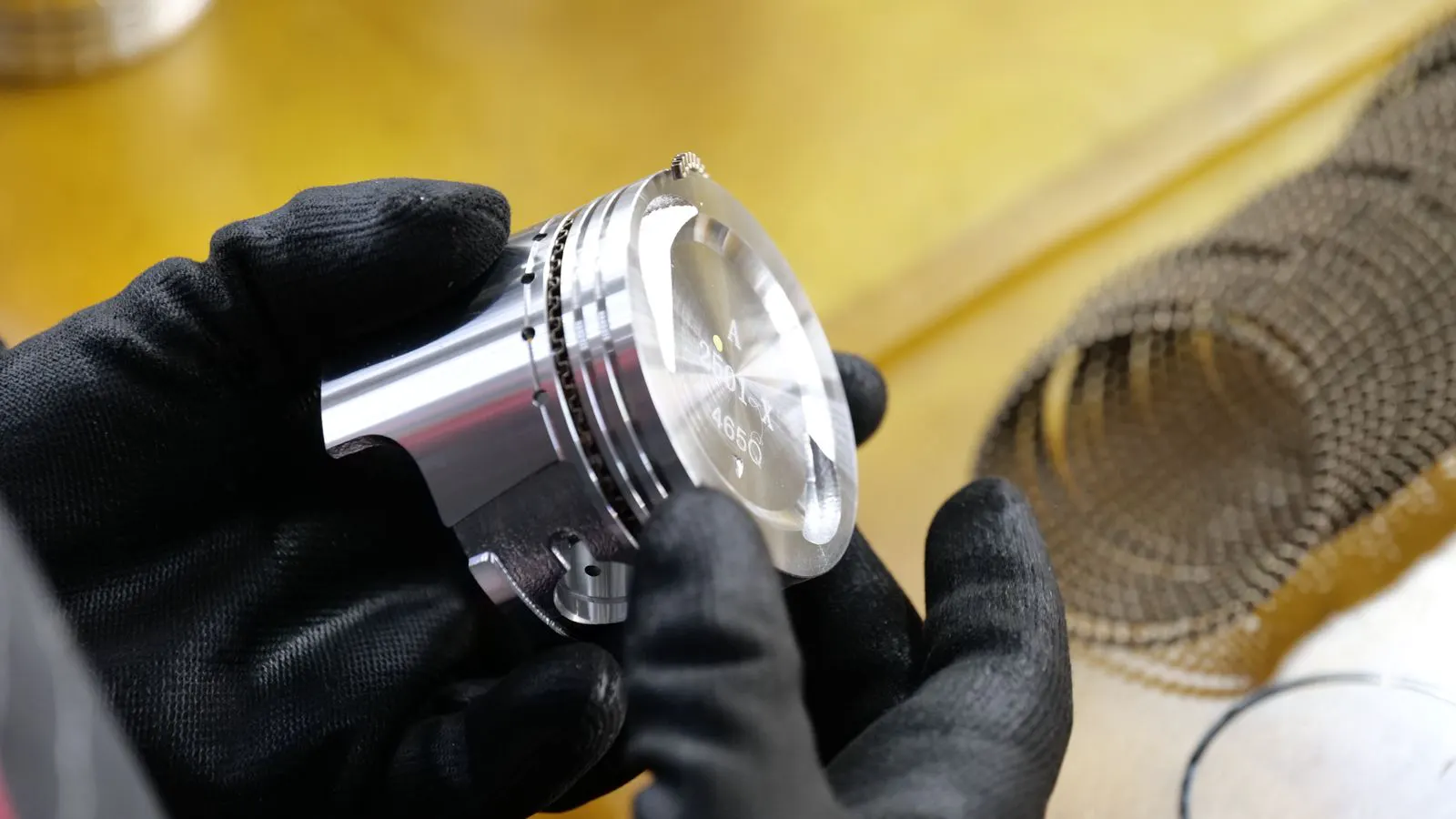
Punch Press vs Deep Draw: Comparing Tooling Costs and Capabilities
Punch presses use simpler dies for flat parts, keeping die cost lower. Deep drawing requires complex tooling for formed shapes. The choice depends on part geometry, material, and production volume.
- Punch presses suit flat parts, with lower die cost than deep drawing.
- Deep drawing tooling handles complex shapes but increases initial tooling spend.
- Part geometry and material determine the most cost-effective process.
- Tooling complexity affects maintenance, lifespan, and total cost of ownership.
- Evaluate production volume and part tolerance before selecting a process.
Why the Die Cost Difference Exists
The price of metal stamping tooling is determined by the mechanical demands of the specific part. A punch press die and a deep drawing die serve fundamentally different functions. This difference in function is the primary reason for the gap in their initial costs.
A punch press die is a relatively simple assembly. It consists of a punch and a die plate. Its job is to remove material. When the punch strikes the workpiece, it forces metal through the die opening. The result is a flat part with holes, notches, or cut shapes. The tooling geometry is straightforward. The punch and die edges are ground to a precise angle to create a clean cut. Because the die does not form the metal, it does not need to withstand the high tensile pressures that cause sheet tearing.
A deep drawing die forms a part without removing material. It pushes metal into a cavity, stretching and bending the sheet. The tooling typically includes a punch, a draw die, and often a clamping ring. The design must control metal flow. It must prevent the sheet from tearing or wrinkling as it deforms. The forming surfaces must be smooth to reduce friction. The tool steel must be hard and wear-resistant.
This difference in function drives the die cost. Deep drawing tooling requires more machining, more complex tool steel, and tighter tolerances on the forming surfaces. The punch press die is simpler to design and manufacture, so the initial die cost is generally lower. The deep drawing die must be engineered to handle the forces of metal flow. It is a more complex engineering problem than a simple cut.
Tooling Complexity and Manufacturing Time
The complexity of the die directly impacts the manufacturing time and cost. A standard punch press die may require several days to machine and assemble. A complex deep drawing die can take significantly longer. The time difference comes from the number of machining operations and the level of inspection required.
Punch press dies often use standard tool steel and simpler fixtures. The punch and die edges are ground to a precise angle. The assembly is straightforward. The die plates are usually simple blocks of steel with a slot or hole. The punch is a simple solid piece of tool steel. There are fewer curves to machine. There are fewer surfaces to finish. The assembly involves aligning the punch and die and bolting them to the press frame.
Deep drawing dies require careful attention to surface finish. The forming surfaces must be smooth to reduce friction and prevent defects. The tool steel must be hard and wear-resistant. The manufacturing process involves more machining operations, including grinding and polishing. The draw die often has a complex profile that must be machined to a specific radius. The punch face may need to be polished to a mirror finish. The clamping ring must be machined to fit the die ring precisely.
This added work increases the die cost. It also extends the lead time for tooling delivery. When planning a stamping project, the tooling lead time must be factored into the project schedule. A deep drawing die might take weeks to produce, depending on the complexity. The machine shop must allocate time for grinding, polishing, and heat treating. Each step adds cost and time. The tooling lead time is a critical factor in the overall project schedule.
Part Geometry and Process Selection
The shape of the part is the primary driver in choosing between punch press and deep drawing. Flat parts with simple contours are ideal for punch presses. Parts requiring bends, cups, or complex curves require deep drawing. The geometry of the part dictates the tooling requirements.
A punch press can create flat parts with holes, slots, or notches. It is well suited for brackets, frames, and flat panels. The tooling cost is lower because the die design is simpler. Examples include electrical contact tabs, automotive brackets, and flat packaging components. These parts do not require the metal to stretch significantly. They require a clean cut. The die design focuses on the cut line and the punch geometry.
Deep drawing is used for parts with significant curvature. Examples include car hoods, appliance housings, and deep cups. The tooling cost is higher because the die must form the metal without tearing or wrinkling. Consider a deep cup used in a beverage container. The metal must be stretched over a large area. The die must control the flow of the sheet. The punch face must have a specific radius to reduce stress. The draw die must have a specific profile to support the sheet. The tooling must be designed to handle these specific forces.
The material thickness also matters. Punch presses can handle a range of thicknesses, but very thick material requires more force. Deep drawing is typically used for thinner sheets, where formability is the key challenge. A thin sheet is easier to tear than a thick one. The deep drawing die must be designed to support the sheet and prevent it from stretching too thin. The punch press die must be designed to handle the force of cutting the thick material.
Production Volume and Cost Balance
The initial die cost is only part of the total cost. Production volume affects the overall economics of each process. A high volume run may justify the higher tooling cost of deep drawing. The economics of stamping are a balance between tooling cost and part cost.
For low volume jobs, the die cost per part is higher. A punch press die is less expensive, so the initial investment is smaller. This makes punch presses attractive for prototypes or small batches. If you need 500 parts, the cost of a deep drawing die may be difficult to justify. The die cost per part would be high. A punch press die is a more economical choice for this volume.
Deep drawing tooling is more expensive upfront. However, for high volume production, the cost per part decreases as the tooling cost is spread over more units. If you need 10,000 parts, the higher die cost of deep drawing may be offset by the lower part cost. The deep drawing process can produce complex parts in a single operation. This reduces the need for secondary operations. The tooling must be designed carefully to handle the metal flow. A well-designed deep drawing die can produce consistent parts with fewer defects.
Maintenance and Tooling Lifespan
Tooling lifespan is a long-term cost factor. Punch press dies wear from friction and impact. The punch and die edges become dull over time. Regular sharpening or replacement is needed. The wear on the cut edge causes burrs and burrs. This can lead to part quality issues. The die edges must be inspected regularly. They must be resharpened when the burr size exceeds the tolerance.
Deep drawing dies wear differently. The forming surfaces experience high pressure. The tool steel must be maintained to prevent cracking or surface damage. The die may need polishing or re-machining to restore the surface finish. The wear on the forming surfaces increases friction. This can cause tearing or wrinkling. The die must be maintained to ensure the surface finish remains smooth.
A die maintenance schedule is critical for both processes. Regular inspection prevents sudden failures. It also ensures part quality remains consistent. The maintenance schedule should be based on the material and the process. Abrasive materials cause faster wear. High forming forces cause faster wear. The die must be inspected at regular intervals. The inspection should include checking for cracks, polishing the forming surfaces, and sharpening the cut edges.
The lifespan of a deep drawing die may be shorter than a punch press die if the material is abrasive or the forming forces are high. The punch press die may last longer if the material is soft and the punch is well maintained. The lifespan of the die depends on the material and the process. It is a long-term cost factor that must be considered in the total cost of ownership.
When to Choose Each Process
The choice between punch press and deep drawing depends on the part requirements. A punch press is the better choice for flat parts with simple features. The die cost is lower, and the tooling lead time is shorter. The punch press is a good choice for parts that do not require significant forming.
Deep drawing is the better choice for parts with complex geometry. The die cost is higher, but the process can create shapes that punch presses cannot. The tooling must be designed carefully to handle the metal flow. The deep drawing process is a good choice for parts that require significant forming.
Consider the material thickness. Punch presses can handle thicker material, but the force requirements are higher. Deep drawing is best for thinner sheets where formability is the main concern. The material thickness affects the die design. It affects the force requirements. It affects the tooling cost. The material thickness must be considered when selecting the process.
Consider the tolerance requirements. Punch presses can achieve tight tolerances on flat features. Deep drawing tolerances are affected by springback and metal flow. The die design must account for these factors. The tolerance requirements affect the die design. They affect the tooling cost. They affect the part quality. The tolerance requirements must be considered when selecting the process.
Cost Comparison Table
| Option | Best for | Limitations |
|---|---|---|
| Punch Press | Flat parts, holes, notches, small volume | Cannot create complex curves, higher force for thick material |
| Deep Drawing | Complex shapes, deep cups, curved parts | Higher die cost, requires careful die design for thin sheet |
| Hybrid Approach | Parts with flat and formed features | Higher tooling cost, complex die assembly |
| Stamping with Bending | Parts with bends and flat features | Multiple operations, longer cycle time |
The table shows the general strengths and limitations of each process. The die cost is a key factor in the decision. Punch presses have a lower die cost for flat parts. Deep drawing has a higher die cost but can create more complex shapes. The hybrid approach combines the benefits of both processes. It is useful for parts that require both flat and formed features. The stamping with bending approach is useful for parts that require bends and flat features. It requires multiple operations. It has a longer cycle time.
Final Considerations
The die cost is a major factor in the stamping budget. It must be considered alongside production volume, part complexity, and tooling lifespan. The die cost is the initial investment. It must be balanced against the part cost. It must be balanced against the tooling lifespan.
A punch press die is a lower cost investment. It is suitable for flat parts and small batches. The tooling is simpler and faster to produce. The punch press die is a good choice for parts that do not require significant forming.
A deep drawing die is a higher cost investment. It is suitable for complex parts and high volume production. The tooling is more complex and takes longer to produce. The deep drawing die is a good choice for parts that require significant forming.
The key is to match the process to the part requirements. A well-designed die, regardless of process, will provide consistent quality and long tooling life. The initial die cost is only the beginning of the total cost of ownership. The total cost of ownership includes the die cost, the part cost, and the maintenance cost. It must be considered when selecting the process.
Frequently asked questions
What is the main difference in die cost between punch press and deep drawing?
Deep drawing dies are more expensive due to complex tooling requirements. Punch press dies are simpler and have a lower initial cost.
When is a punch press more cost-effective than deep drawing?
A punch press is more cost-effective for flat parts with simple features. The lower die cost makes it ideal for small batches or prototypes.
What factors increase the die cost for deep drawing?
Material thickness, part complexity, and required surface finish increase the die cost. Complex shapes require more machining and higher quality tool steel.
How does production volume affect the choice between the two processes?
High volume production can justify the higher die cost of deep drawing. Low volume jobs benefit from the lower initial cost of punch press tooling.
What is the typical maintenance difference between the two tooling types?
Punch press dies wear from impact and require edge sharpening. Deep drawing dies wear from forming pressure and require surface polishing or re-machining.