
Materials & Thickness
How to Specify Sheet Thickness for Thin-Forming Stamping
Specifying sheet thickness for thin-forming stamping requires matching gauge to part geometry and material formability. This guide provides a step-by-step method for
Compare steel, aluminum, and other sheet materials with guidance on thickness limits for stamping parts.
Specifying sheet thickness for thin-forming stamping requires matching gauge to part geometry and material formability. This guide provides a step-by-step method for
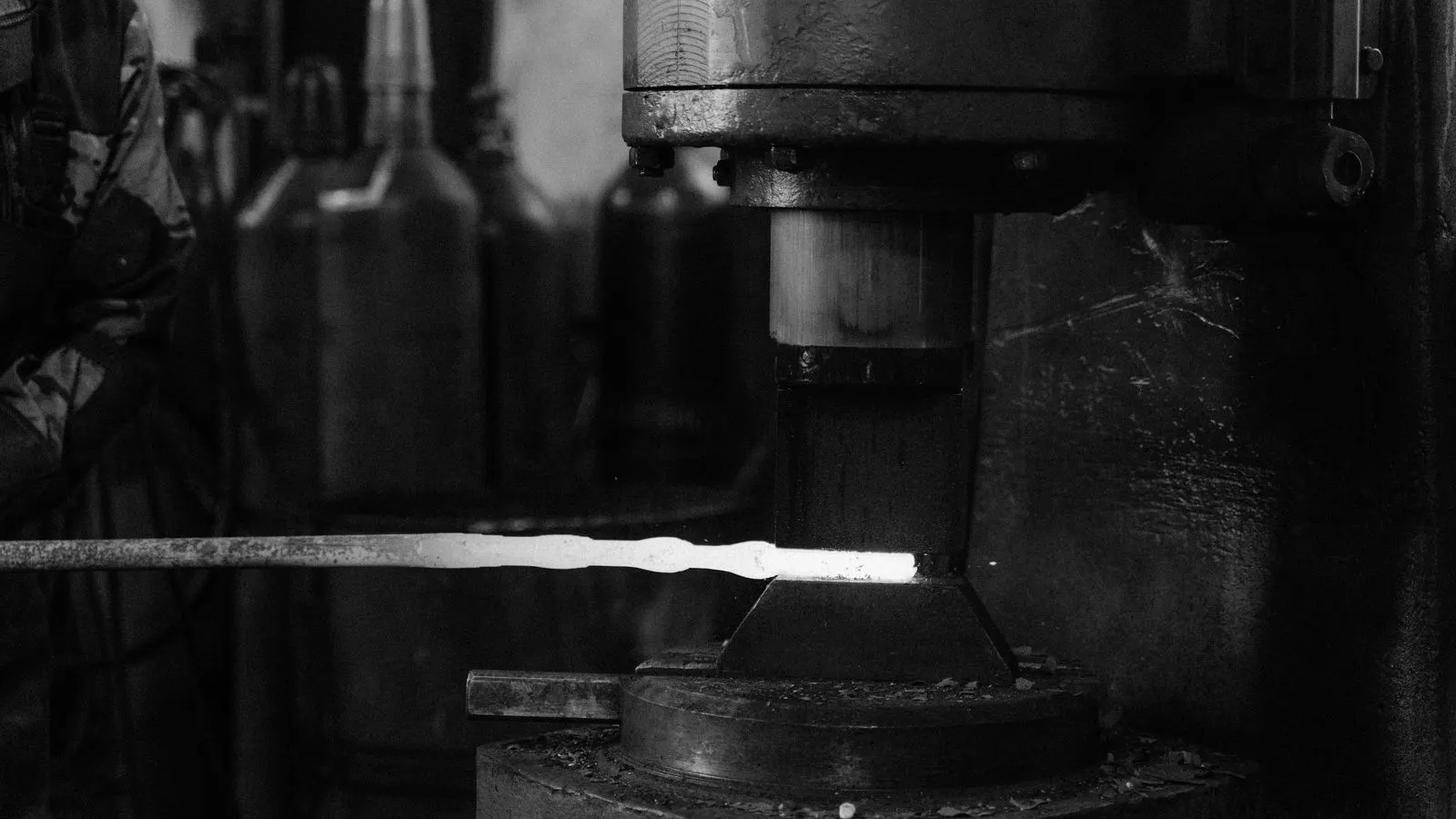
Emerging high-formability alloys are changing material selection for stamping. This guide outlines five key shifts buyers should plan for, from low-alloy steels to
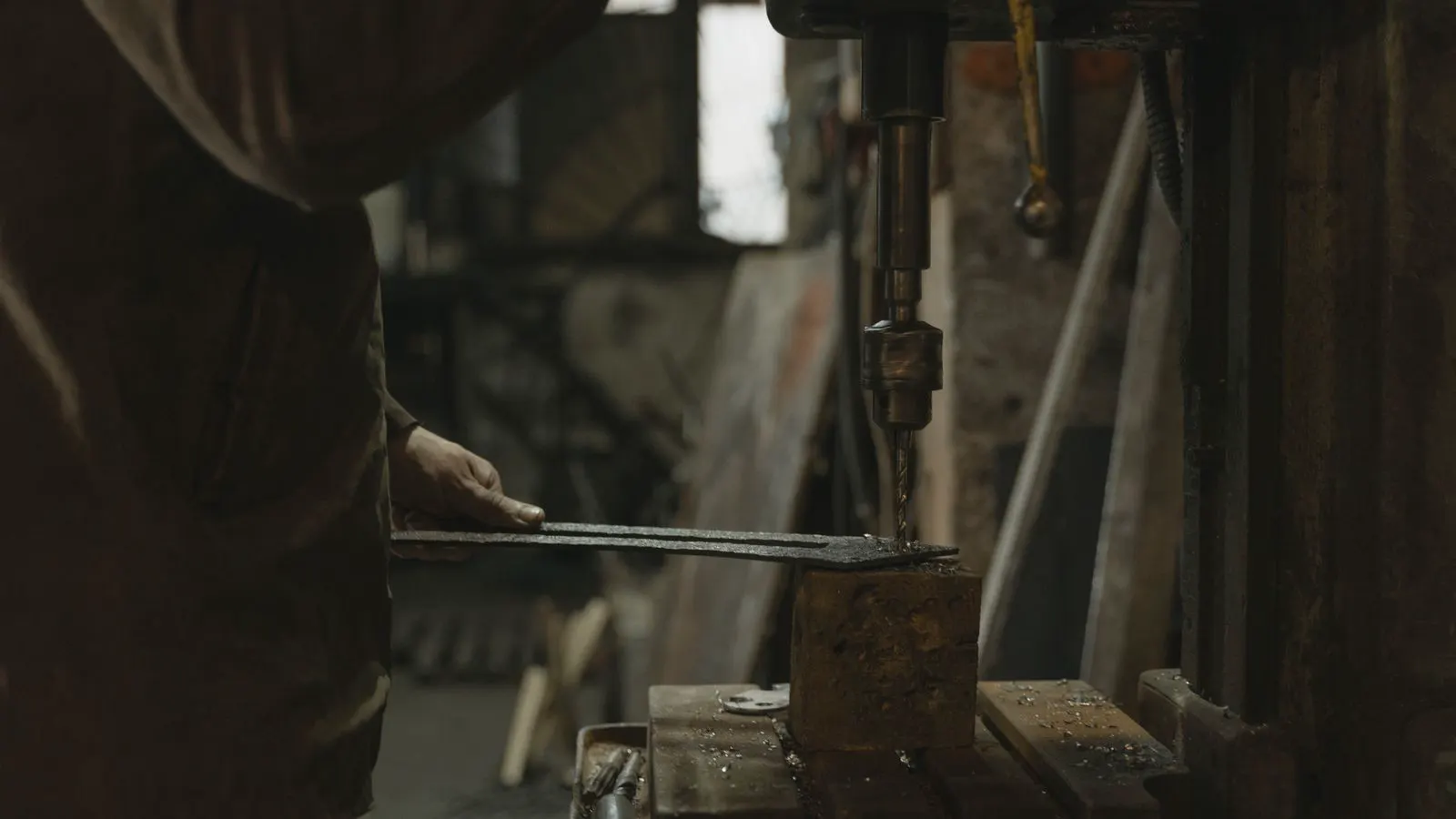
Thin sheet steel usually lowers tooling costs but increases formability risk and handling time. Thick sheet steel requires heavier presses and longer tooling cycles

Poor formability in stamped sheet metal usually traces back to material mismatch, incorrect thickness, or die design flaws. This guide lists common symptoms, likely
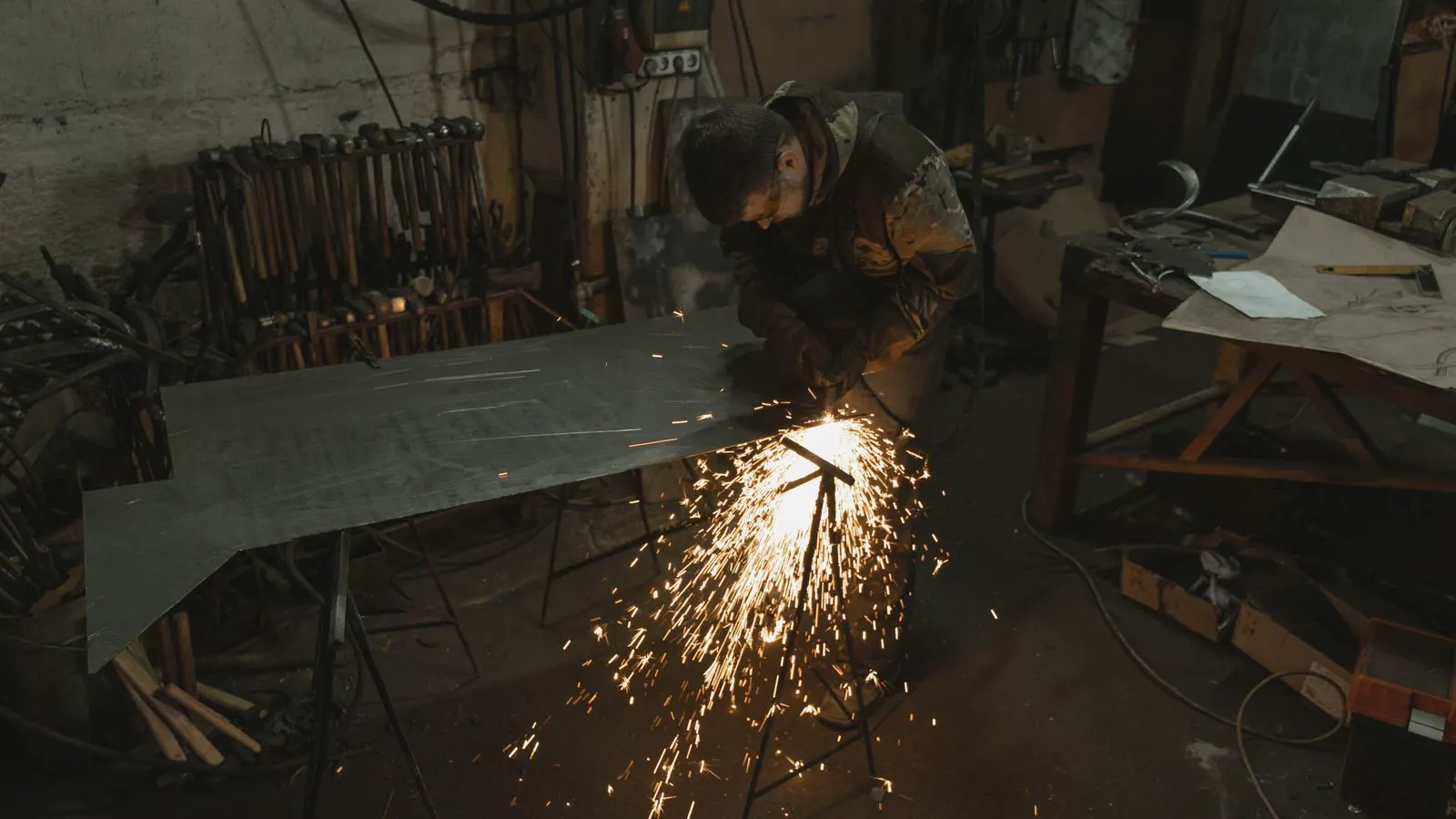
Material selection and metal thickness directly affect die life in metal stamping. Harder materials and thicker gauges increase tool wear, while softer alloys extend
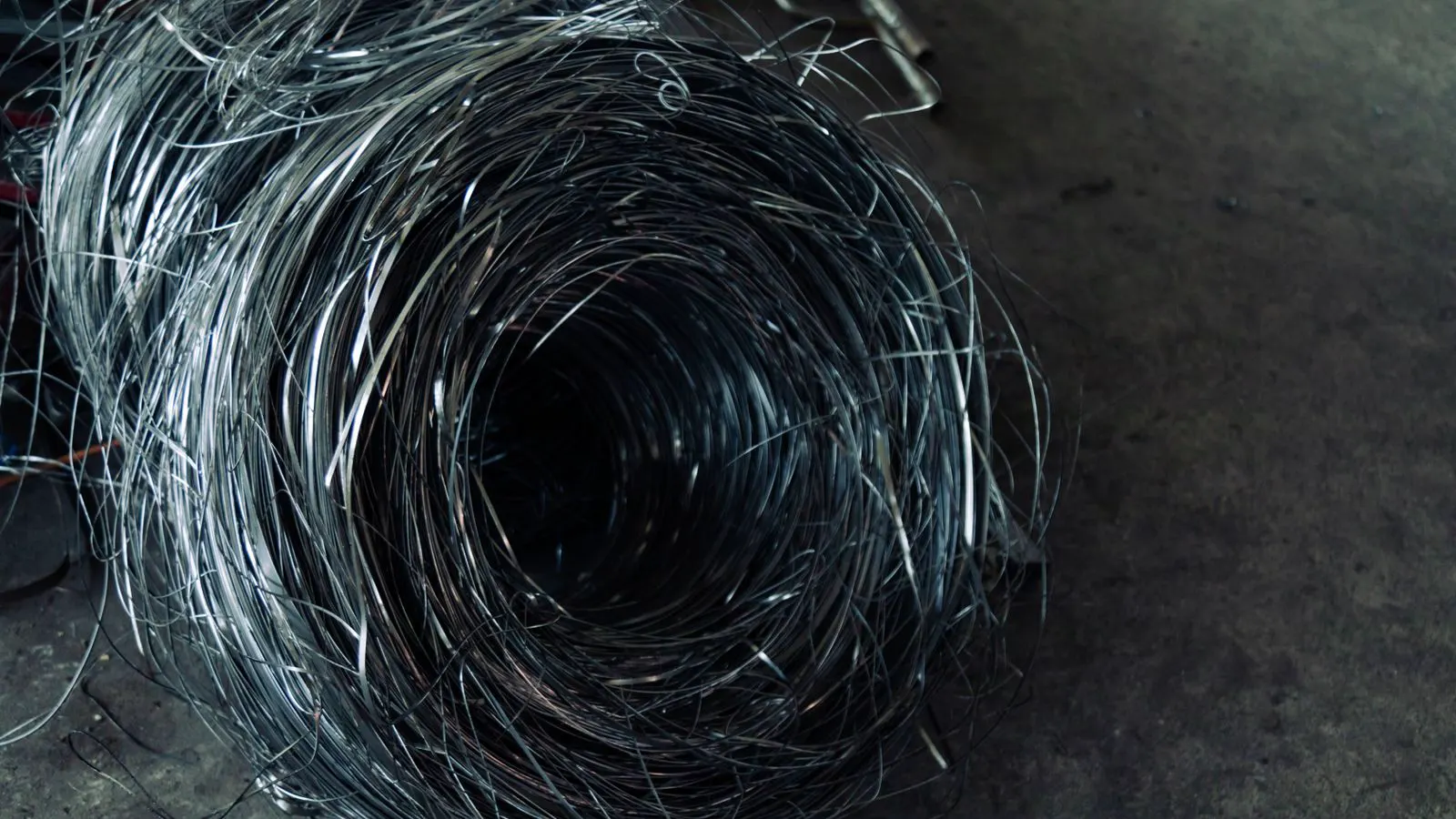
This guide explains how to evaluate sheet metal materials for formability, cost, and finish. It covers carbon steel, stainless steel, aluminum, and copper, plus

This checklist helps engineering teams evaluate material selection for metal stamping by assessing formability, thickness, corrosion resistance, and cost. It provides a

To select the correct gauge thickness for stamping, define your application's mechanical needs first. Then, evaluate material formability and tooling limits to find the
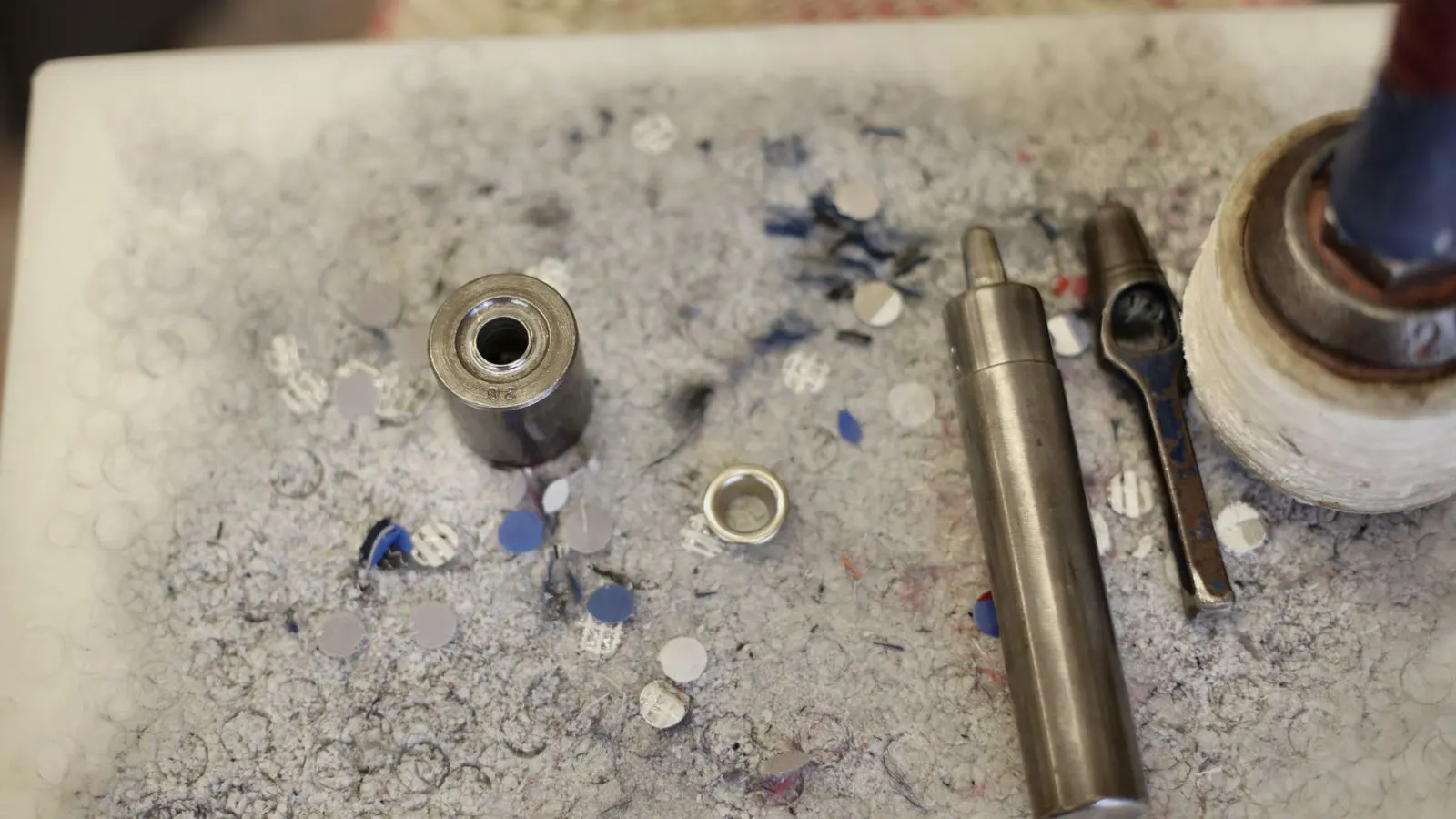
Sheet steel offers higher strength and better springback control, while aluminum provides superior weight savings and corrosion resistance. The formability choice