Materials & Thickness
Comparison: Hot Rolled vs Cold Rolled Steel for Stamping
Hot rolled steel offers lower cost and greater thickness options, while cold rolled steel provides better surface finish and dimensional accuracy. Selection depends on
Compare steel, aluminum, and other sheet materials with guidance on thickness limits for stamping parts.
Hot rolled steel offers lower cost and greater thickness options, while cold rolled steel provides better surface finish and dimensional accuracy. Selection depends on

Verify incoming sheet thickness against stamping specs using a structured audit. Check gauge, material tolerance, mill certs, and sample measurements at multiple points.

Additive manufacturing is changing stamping tooling by allowing printed components to reduce cost and shorten lead times. This shift affects economics and future tooling
High strength steel reduces part weight but increases tool wear. Cold rolled steel offers lower cost and easier processing. Engineers must balance mass savings against

Aluminum offers high strength-to-weight and lower cost, while stainless provides superior corrosion resistance and durability. The right choice depends on mechanical

Use mill certificates to verify steel grade compliance before stamping. This guide provides specific steps to audit supplier documentation, check heat traceability, and

Zinc coated steel costs more than plain sheet because the coating is applied before stamping. This guide explains how pre-coating changes tooling, material handling, and
Sheet gauge directly dictates punch clearance. Thicker metal sheet requires more clearance to prevent galling and tool wear. Understanding this relationship allows
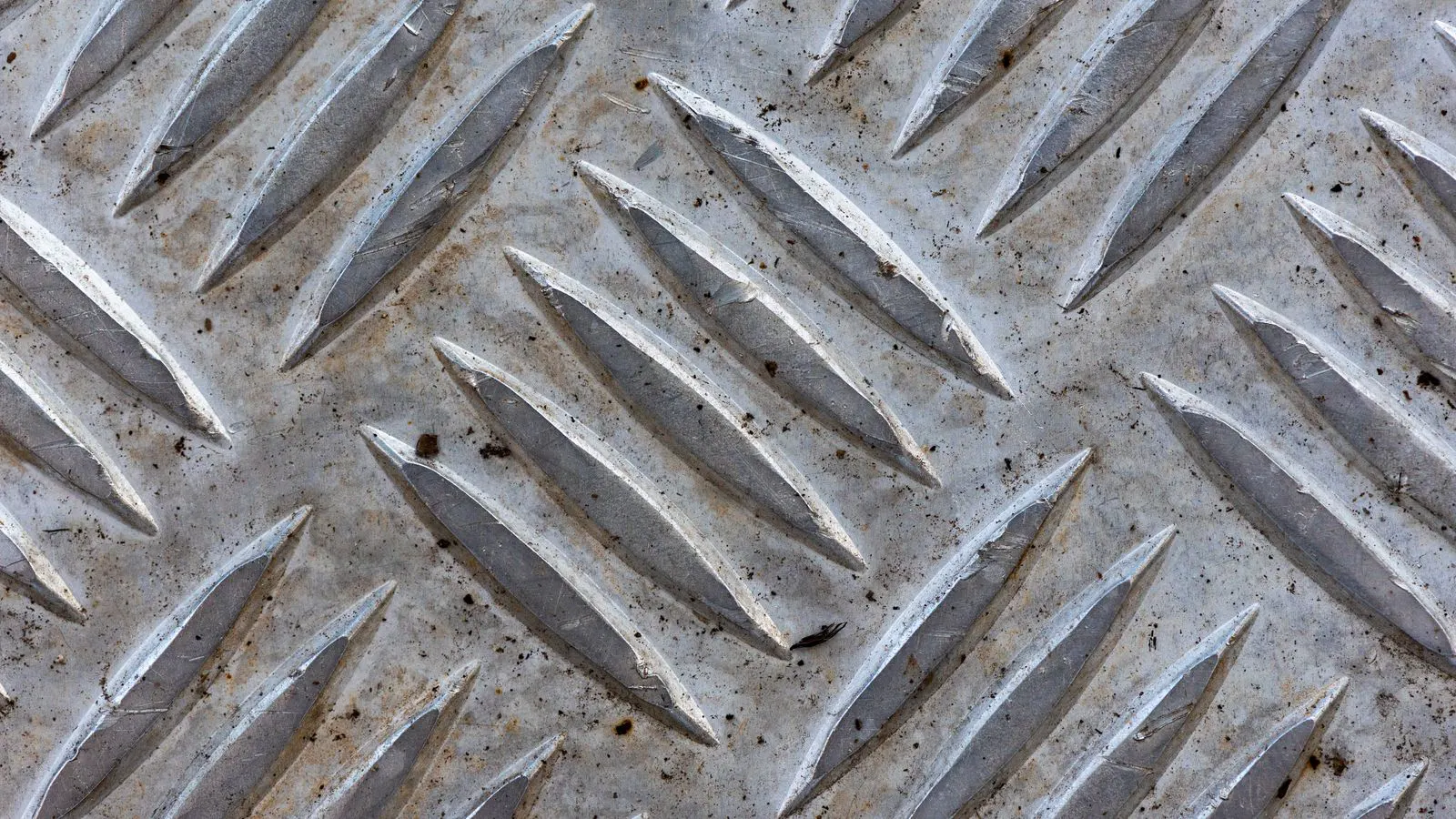
Stamping thick steel and aluminum sheet creates different cost and tooling profiles. Steel usually has lower material costs but higher forming limits. Aluminum is

High-strength steel adoption is changing supplier capabilities, tooling requirements, and part design. Buyers should plan for tighter tolerances, new inspection needs

Procurement managers can validate steel grade certificates by checking heat numbers, chemical composition, mechanical properties, and supplier documentation. This
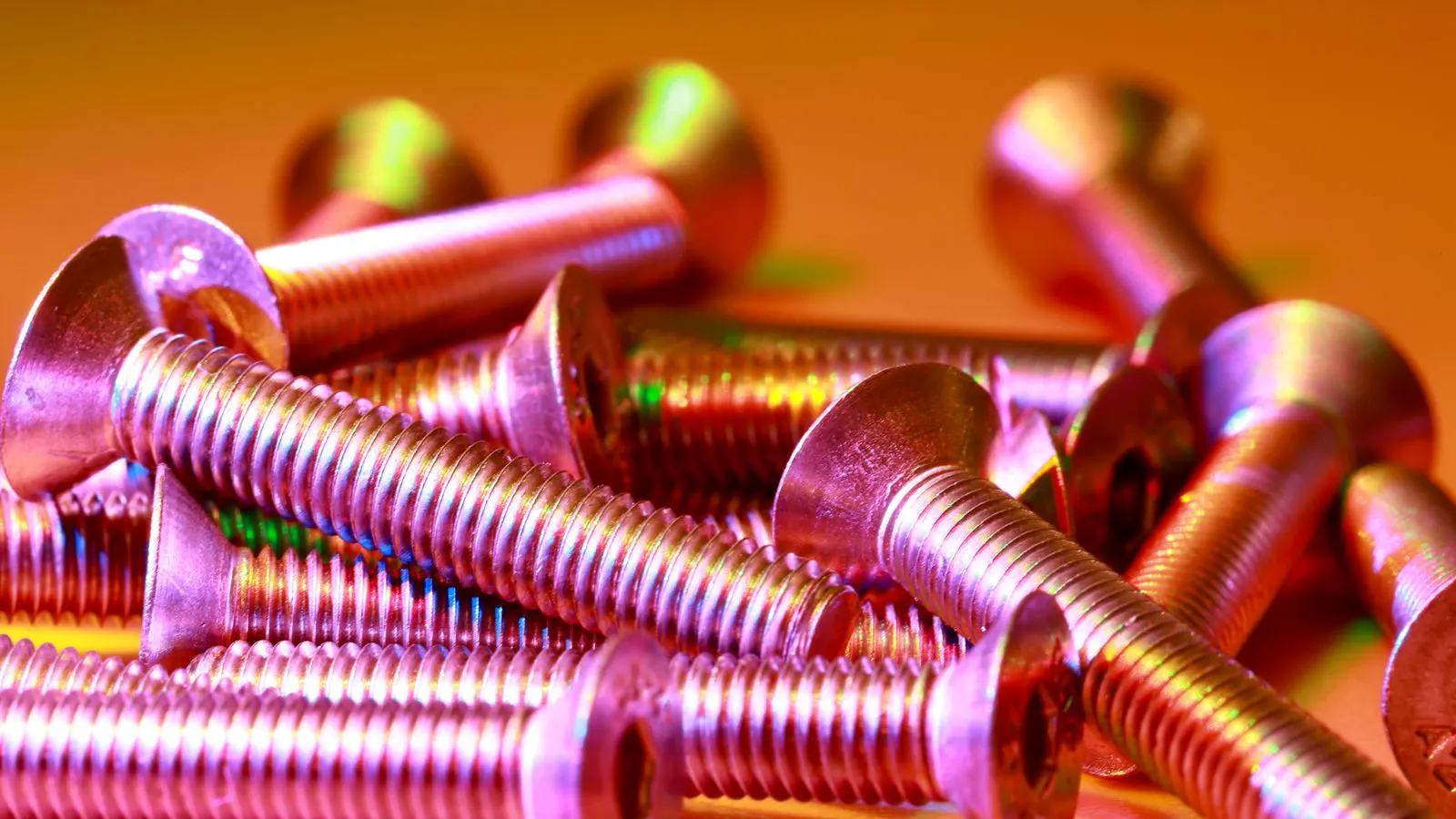
Aluminum sheet cracks in deep drawing due to excessive strain, poor lubrication, or die geometry issues. Engineers can stop this by checking the drawing limit, verifying