
Quality Control
Checklist: 5 Gauge Inspection Points Before Sign-Off
Buyers need a focused gauge inspection checklist to catch dimensional deviations, verify acceptance criteria, and complete quality sign-off before releasing stamped
Understand key inspection methods, defect prevention, and tolerance standards for high-quality metal stamping.
Buyers need a focused gauge inspection checklist to catch dimensional deviations, verify acceptance criteria, and complete quality sign-off before releasing stamped

Define tolerance zones by classifying dimensions into critical, general, and cosmetic groups. Use clear drawing requirements and quality specs to reduce ambiguity. This
Edge breaks in thin gauge stamping stem from poor lubrication, dull tools, and excessive draw depth. Prevent cracking by maintaining sharp die sets, controlling material
CMM inspection provides high-precision data but often adds setup time and cost. Manual gauging is faster for simple parts but lacks full geometric coverage. The best

Outsourcing inspection often lowers fixed costs but adds logistics time. In-house inspection speeds up feedback loops but requires higher capital and labor. The best
Stamping misalignment causes gapping and dimensional errors. This guide covers symptoms, die alignment checks, and practical fixes to prevent defects during stamping

To select the right inspection vendors, define your acceptance criteria, verify their calibration protocols, and confirm they can produce CMM data aligned with your
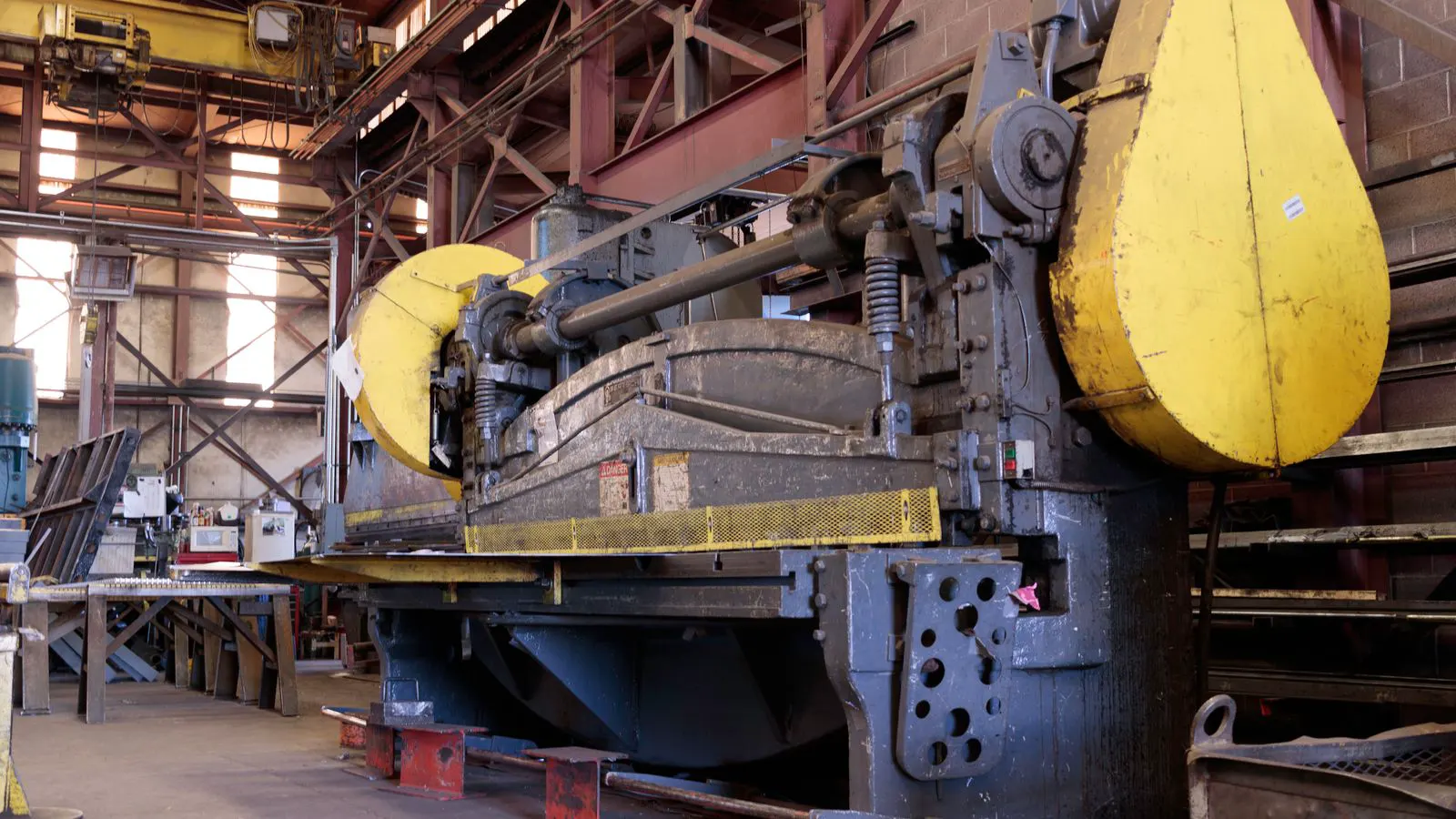
AI-driven predictive maintenance uses sensor data to forecast stamping line failures before they happen. This approach improves quality control and production

Edge breaks in thin sheet metal stampings result from localized plastic deformation, high strain rates, and material fatigue at the part perimeter. This guide explains

This guide explains how to verify tolerance standards for stamped metal parts using coordinate measuring machine data. It covers calibration, datum selection, and data

Manual inspection works for low-volume, complex parts, while automated systems handle high-volume, repetitive shapes. The right choice depends on part geometry
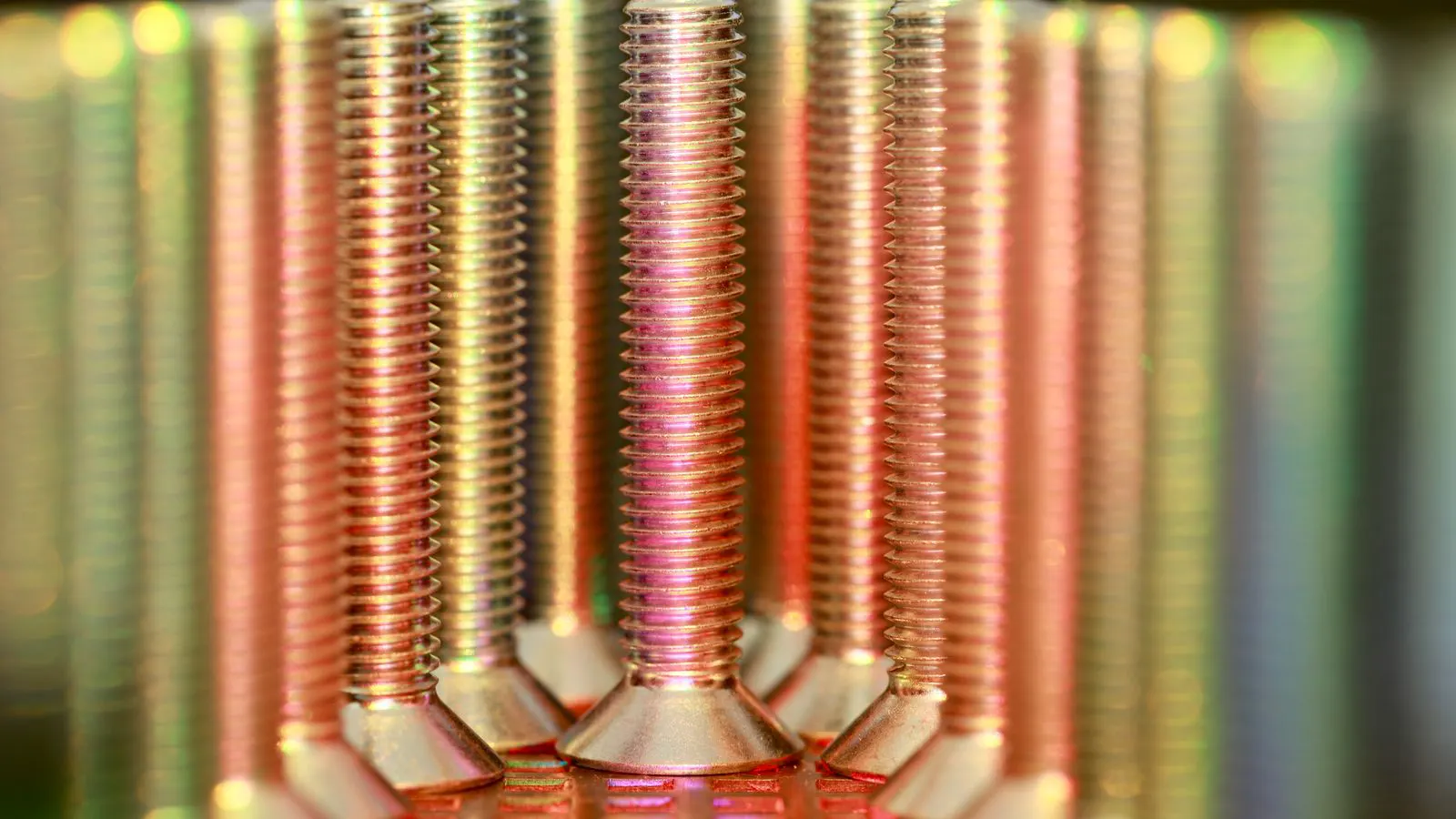
This guide lists ten critical stamping defects buyers must inspect. It covers cracks, burrs, stretching, and dimensional errors with specific red flags. Use this quality