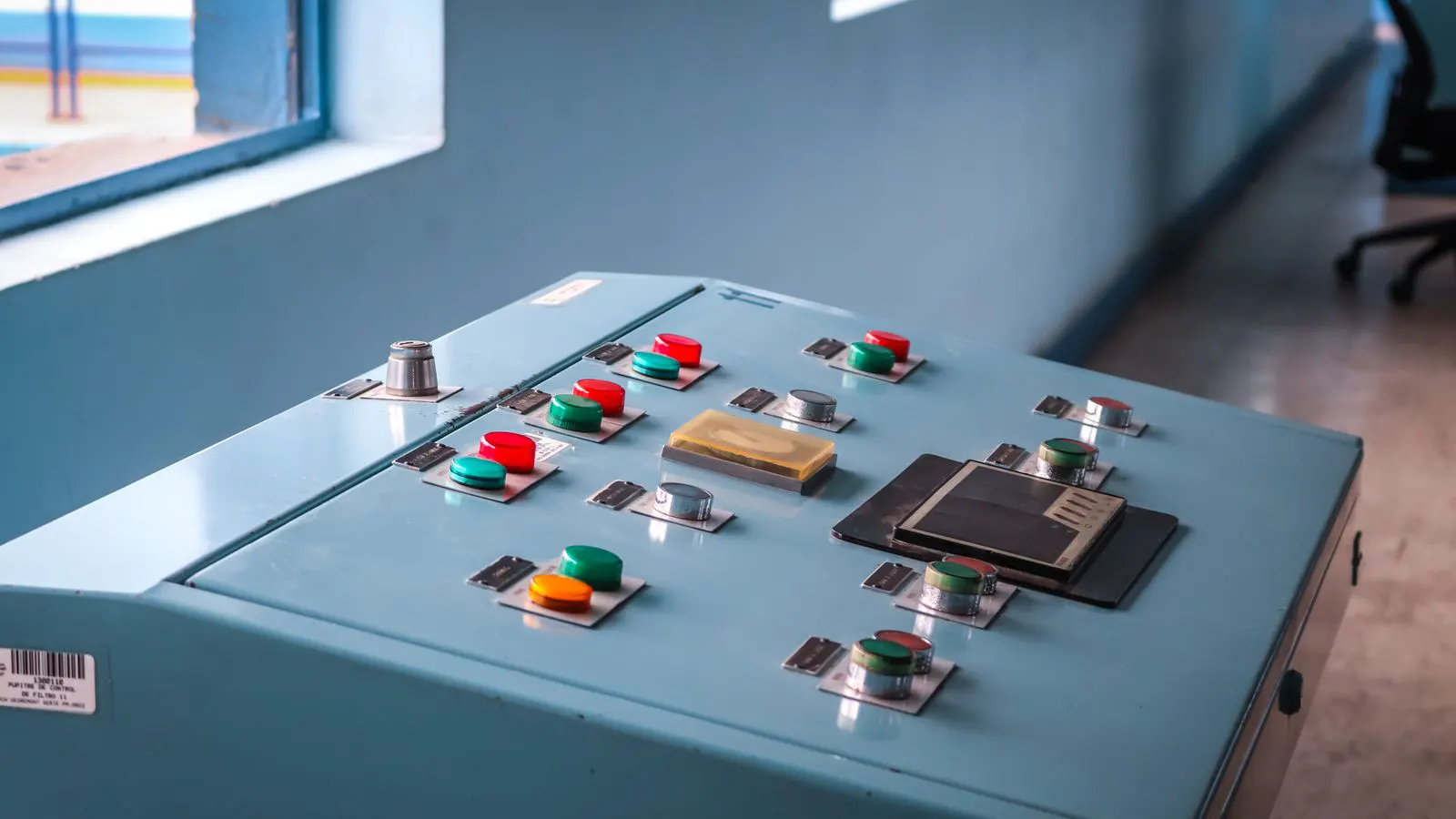
Progressive & Transfer Dies
Outlook: Smart Die Monitoring in Stamping Production
Smart die monitoring tracks stamping process variables to predict failures before scrap is produced. This article outlines five practical shifts in monitoring, data

Learn how progressive and transfer dies work, their strengths, and how to select the right stamping process.
Smart die monitoring tracks stamping process variables to predict failures before scrap is produced. This article outlines five practical shifts in monitoring, data
Changing a transfer die layout alters tooling costs, lead times, and part quality. This guide explains the financial drivers, how to structure a clear RFQ, and how to
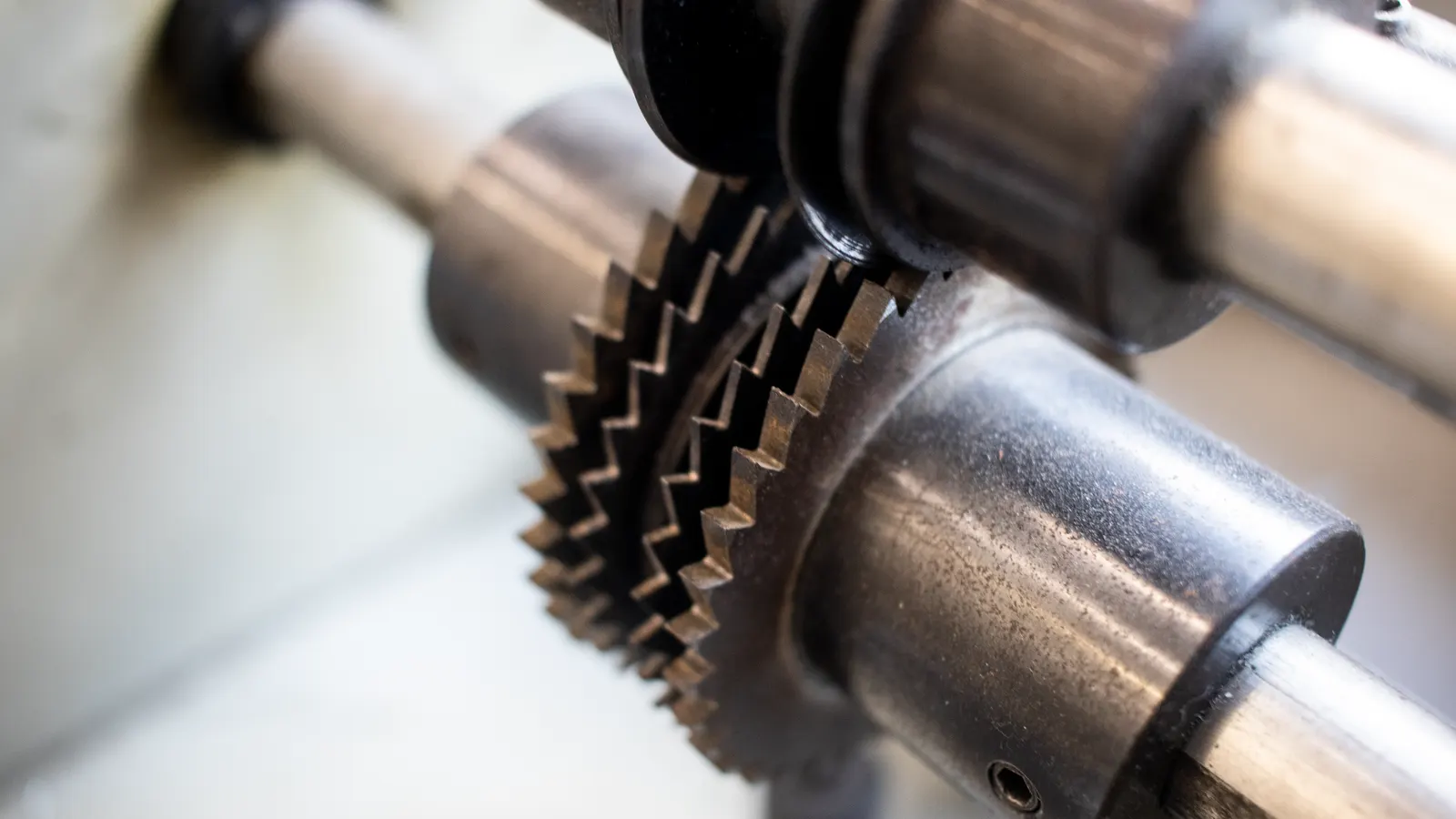
Selecting stamp design materials for high volume stamping depends on part geometry, expected run length, and cost. This guide provides a practical framework for
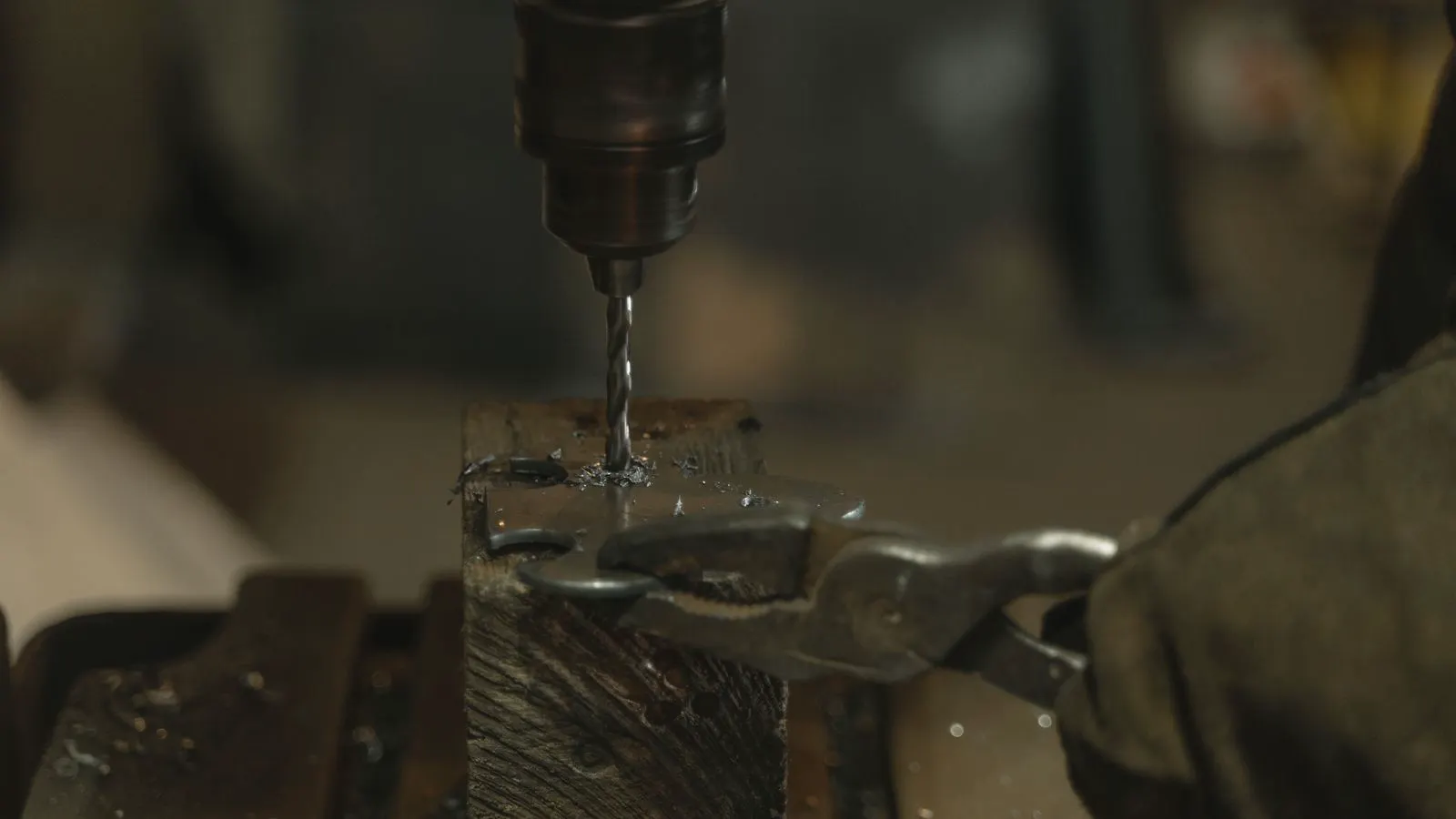
Successful progressive die operation relies on matching specific machine settings to the tool design. Buyers must verify tonnage, stroke length, and speed against the
Choose a transfer die by defining part geometry, material, and volume first. Then verify tonnage, press fit, die layout, and maintenance access. A clear specification
Emerging technologies are changing how progressive dies are designed, installed, and monitored. This guide outlines the key shifts in automation and smart stamping that
Progressive die costs depend on part complexity, material, tonnage, and finish. Lead times range from weeks to months based on design review and setup. Clear RFQs and
Verify material thickness, part geometry, die capacity, and production speed before ordering. This checklist highlights ten technical factors to prevent costly rework
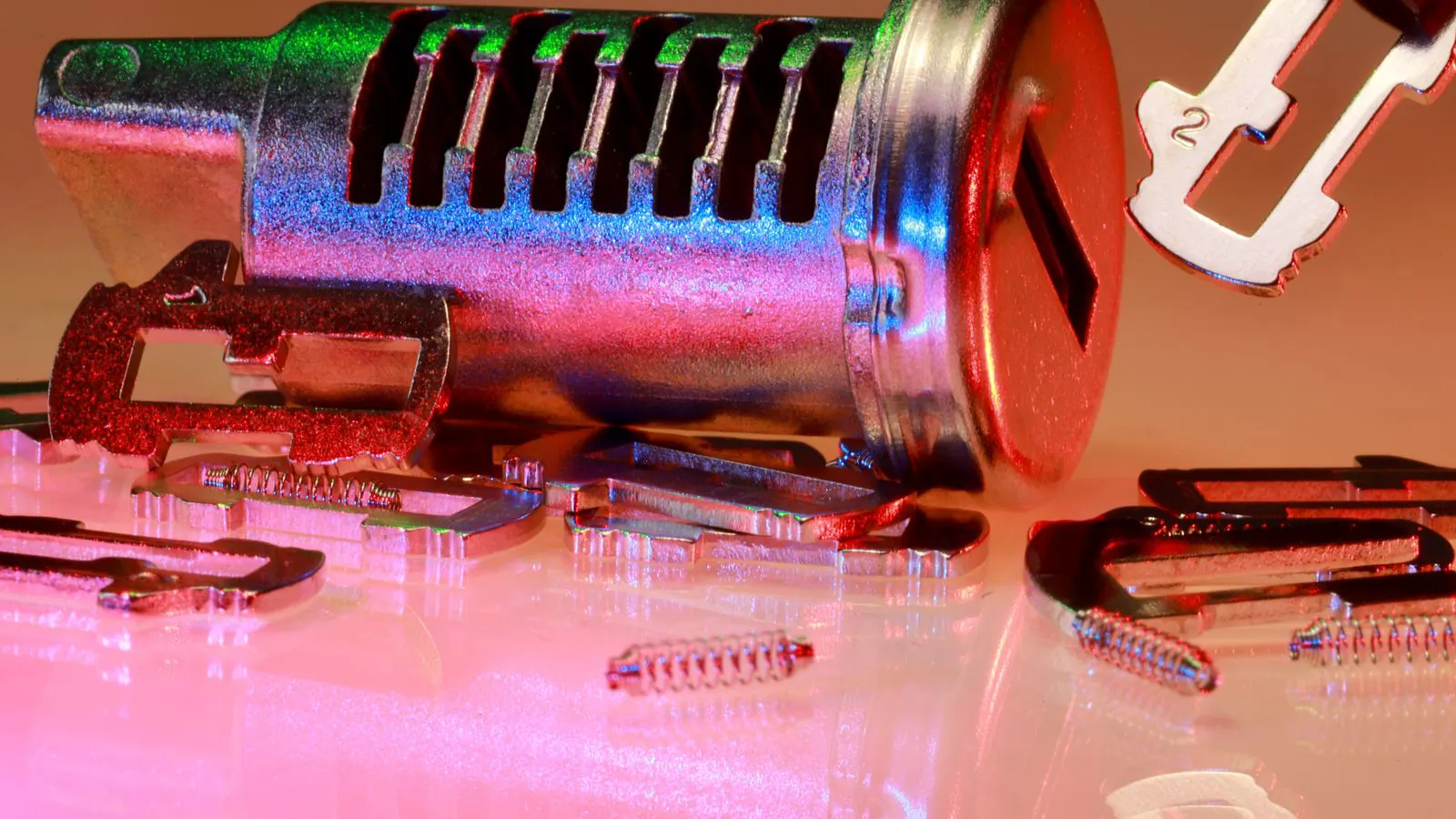
A transfer die uses multiple single-station presses to shape a part in sequence, while a progressive die performs all operations in one press stroke. The choice depends
When a progressive die fails, production halts immediately. This guide identifies common symptoms like misfeeds and poor part quality, explains likely mechanical or
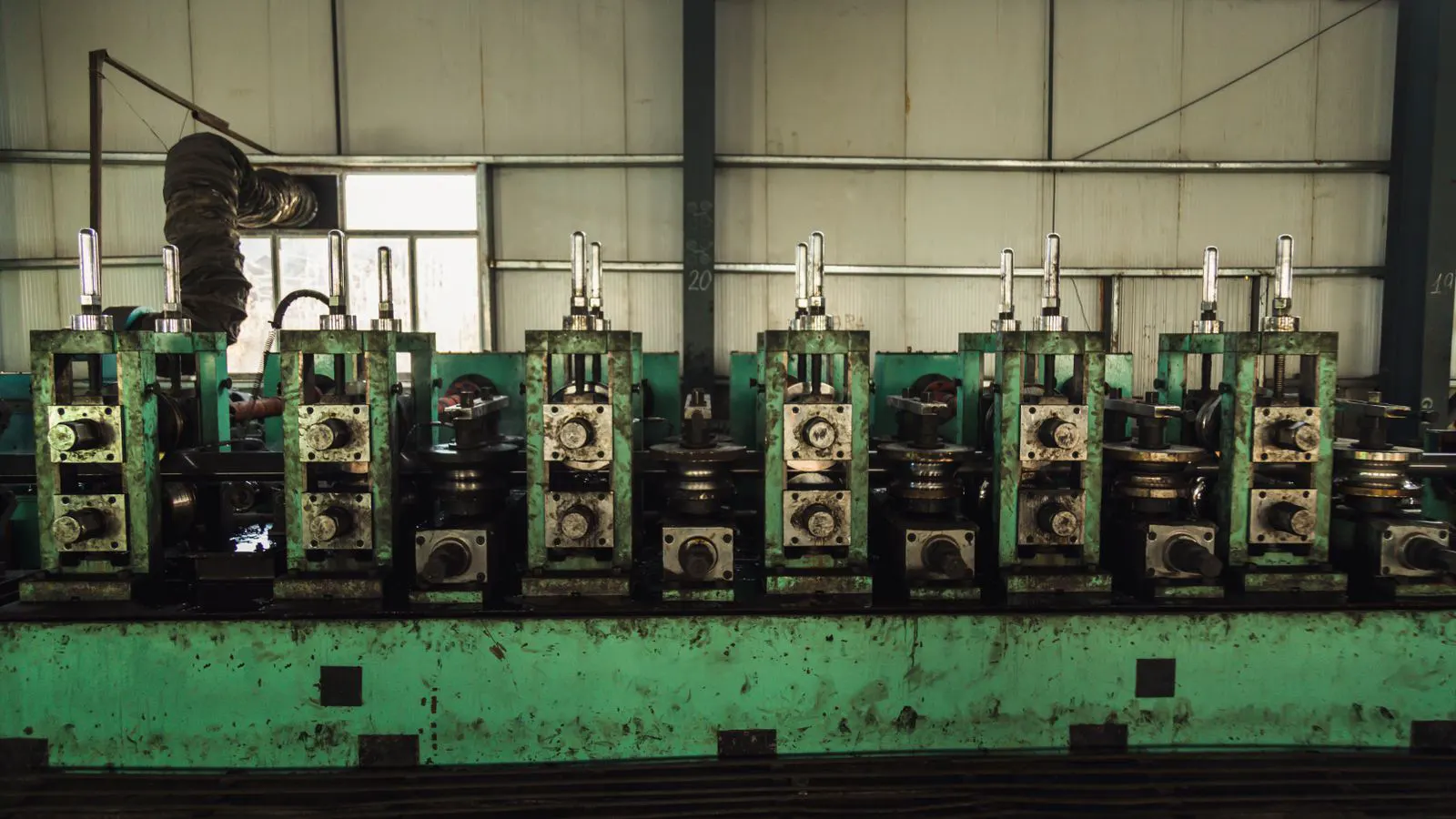
For high volume metal stamping, a progressive die is typically best for high-speed, multi-operation parts, while a transfer die suits multi-part assembly or complex
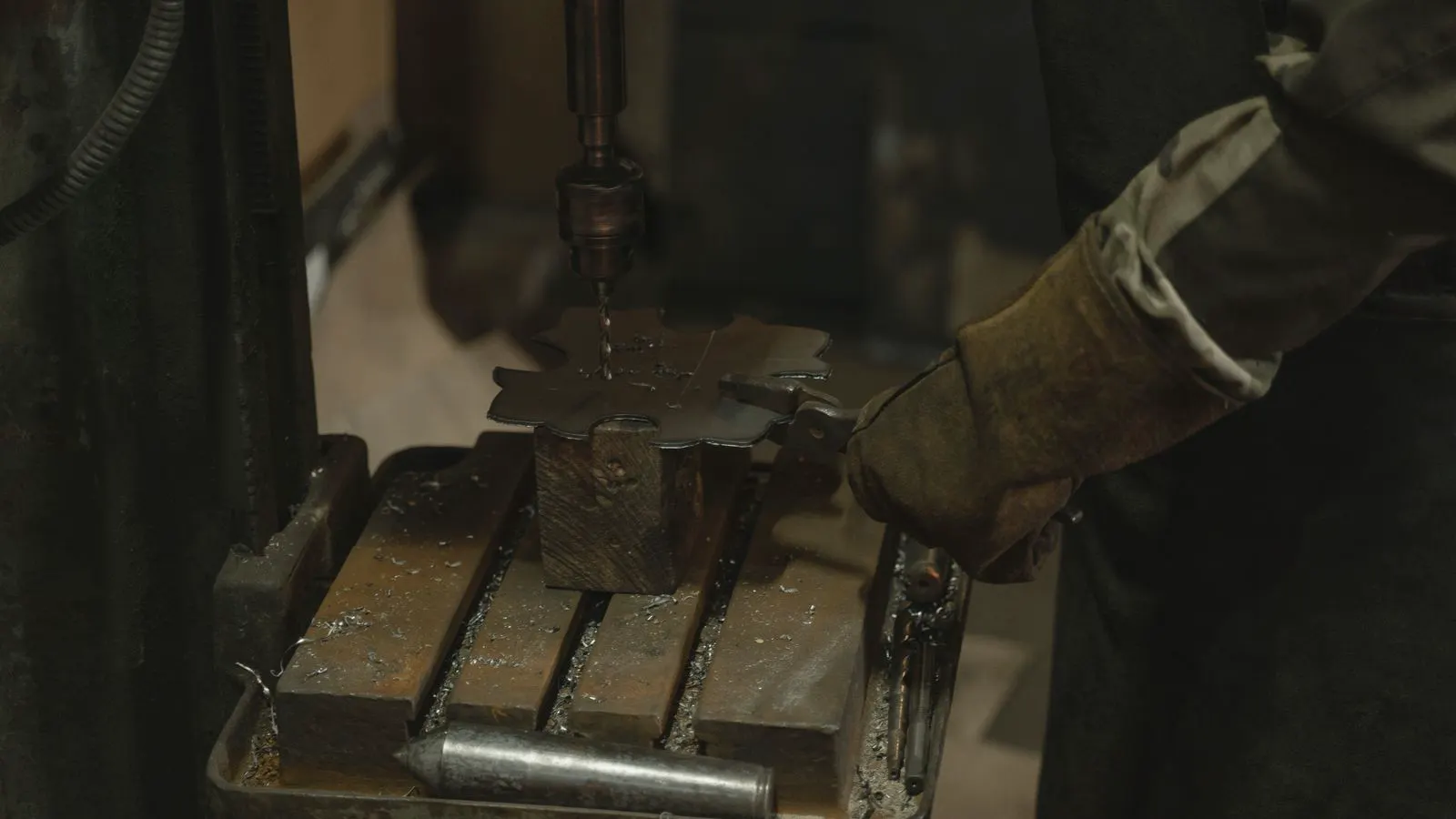
A progressive die processes multiple steps in one stroke. Stations perform forming, cutting, or piercing sequentially. This setup enables high speed stamping and